


 Netanyahu Takes Aim at Mamdani as Israel Election Nears
  US Resumes Immigrant Visa Processing for Hungary, Poland
  North Korea Rejects Nuclear Test Warning, Calls Nuclear Status Irreversible
  Abbas Reaffirms November 28 Palestinian Elections
  Yemen Violence Displaces 130,000 as Civilian Toll Rises
  France Defends Netanyahu Airspace Clearance Despite ICC Warrant
  ICE Agent Arrested in Minneapolis Over Venezuelan Man Shooting
  South Korea, US Discuss Warship Building Cooperation
  Xi Calls for Deeper U.S.-China AI Cooperation in Trump Talks
  FAA Allows Boeing to Sell 35 More 777F Freighters Beyond 2028
  Who should own the knowledge that underpins AI technology?
  FDA Weighs Safety Standards for Psychedelic Therapies
  US Northeast Airports Resume Operations After Telecom Outage Disrupts Thousands of Flights
  North Korea Warns South Korea Over US-Led Defense Role
  DOJ Will Investigate AI-Related Crimes, Attorney General Blanche Says
  White House Bars CNN, MS NOW and Politico Reporters


 Add as a preferred source on Google
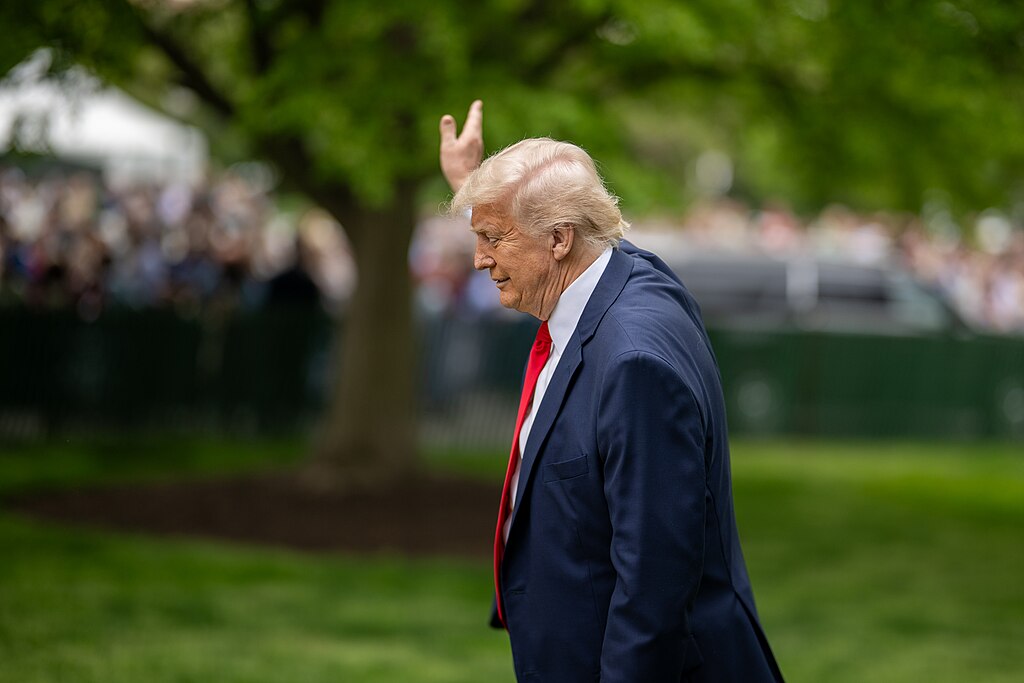
U.S. President Donald Trump announced a new policy direction on Tuesday, stating that his administration plans to revoke the citizenship of naturalized immigrants who are convicted of defrauding American citizens. The remarks were delivered during a speech at the Detroit Economic Club, where Trump outlined what he described as a broader effort to strengthen accountability within the U.S. immigration and naturalization system.
According to the president, the proposed action would apply to naturalized citizens from any country who are found guilty of committing fraud against Americans. While emphasizing that the policy is intended to be universal, Trump specifically referenced Somalia during his speech, drawing attention to concerns his administration has repeatedly raised about immigration enforcement and national security.
“We’re also going to revoke the citizenship of any naturalized immigrant from Somalia or anywhere else who is convicted of defrauding our citizens,” Trump said, underscoring that the focus is on criminal behavior rather than nationality alone. The statement reflects the administration’s continued emphasis on law and order, particularly in cases involving financial crimes, identity theft, or large-scale fraud schemes targeting U.S. residents.
Citizenship revocation, also known as denaturalization, is a legal process that already exists under U.S. law, typically reserved for cases where citizenship was obtained through false statements or concealment of material facts. Trump’s comments suggest a possible expansion or more aggressive use of this authority, especially in cases where fraud directly harms American citizens.
The announcement has sparked debate among legal experts, immigrant advocacy groups, and political analysts. Supporters argue that revoking citizenship for serious crimes protects the integrity of the naturalization process and deters future offenses. Critics, however, warn that such policies could raise constitutional concerns, create fear within immigrant communities, and lead to uneven enforcement.
As of now, the administration has not released detailed guidelines on how the policy would be implemented or whether new legislation would be required. Nonetheless, Trump’s remarks signal a continued hardline approach to immigration and naturalized citizenship, an issue that remains central to his political agenda and public messaging.







