


 Google's TurboQuant Algorithm Sends Memory Chip Stocks Tumbling
  Microsoft's $10 Billion Japan Investment: AI Infrastructure and Data Sovereignty Push
  Rubio Directs U.S. Diplomats to Use X and Military Psyops to Counter Foreign Propaganda
  NASA Artemis II: First Crewed Moon Mission Since Apollo Takes Four Astronauts on 10-Day Lunar Journey
  Chinese Universities with PLA Ties Found Purchasing Restricted U.S. AI Chips Through Super Micro Servers
  SMIC Allegedly Supplies Chipmaking Tools to Iran's Military, U.S. Officials Warn
  Cybersecurity Stocks Tumble After Anthropic's Claude Mythos AI Leak Sparks Market Fears
  Australia's Social Media Ban for Under-16s Sparks Global Movement
  Federal Judge Blocks Pentagon's Blacklisting of AI Company Anthropic
  Samsung Electronics Posts Eightfold Profit Surge Driven by AI Chip Demand
  Britain Courts Anthropic Amid US Defense Department Dispute
  OpenAI Executive Shake-Up Ahead of Anticipated 2026 IPO
  Reflection AI Eyes $25 Billion Valuation in Massive $2.5 Billion Funding Round
  Microsoft Eyes $7B Texas Energy Deal to Power AI Data Centers
  TSMC Japan's Second Fab to Produce 3nm Chips by 2028
  California's AI Executive Order Pushes Responsible Tech Use in State Contracts


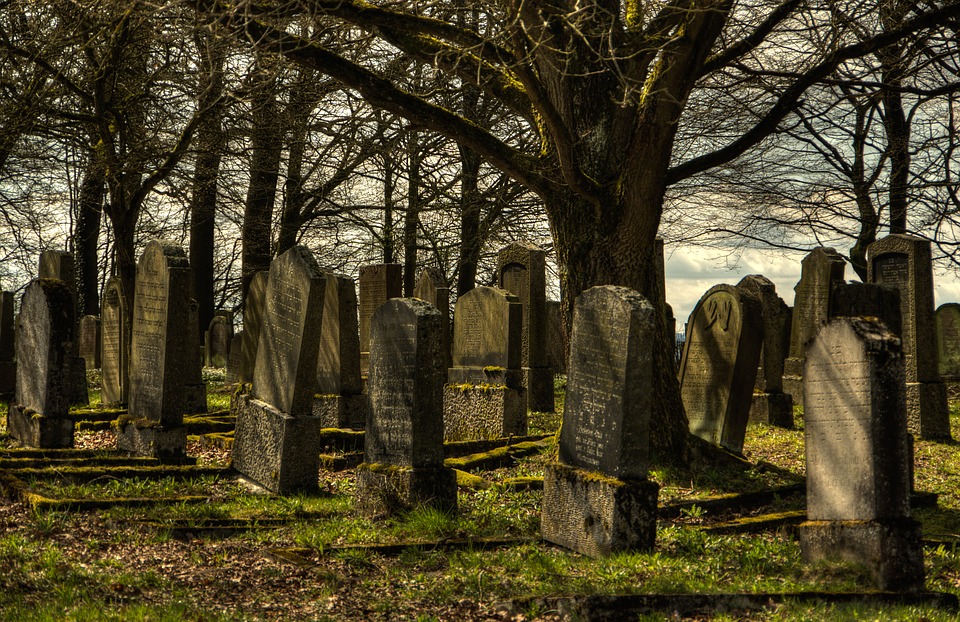
In yet another addition to the mounting evidence against humans as destructive forces on the planet, scientists recently found that even in death, people still cause harm to the environment. Traditional practices of burying the dead have been found to cause an imbalance in nutrients in the soil, causing widespread starvation among plants by robbing them of nourishment.
Humans have been burying their dead in the ground or within caves for millennia, which makes for a huge mound of dead bodies that are robbing the earth of nutrients instead of spreading them in places where they are needed. For almost as long, people have been under the impression that the decomposing corpses actually helped. According to a Czech scientist, this is not exactly the case, The International Business Times reports.
The researcher in question is Ladislav Smejda from Prague’s Czech University of Life Sciences. Speaking in Vienna during the European Geosciences Union, Smejda outlined some of the devastating effects that the burial practices have on nature.
As it turns out, while human bodies do provide essential nutrients from the soils such as iron, zinc, sulfur, calcium, and phosphorus into the soil, the spread is quite uneven. These minerals are important for crops and plants to grow healthy enough to produce food, yet they are found in places where no one would plant such organisms.
"What we do today with our dead will affect the environment for a very, very long time," Smejda said. "Maybe it is not such a problem in our current perspective but with an increasing population globally it might become a pressing problem in the future."
The answer to this problem, according to Smejda, is to create a better means of distributing dead bodies in such a way as it can benefit wider areas as opposed to just cemeteries. While acknowledging that such a discussion can be taboo, he asserts that this subject is too important to ignore, Phys.org reports.







