


 Barclays Downgrades Renault as Cost Savings Challenges Grow
  Moody’s Affirms NVIDIA Aa1 Rating as AI Data Center Guarantees Reach $105 Billion
  Coty Revenue Beats Estimates as Beauty Demand Holds Firm
  Welspun Corp Shares Hit Record High on $1.8 Billion U.S. Order
  CK Hutchison Seeks $1.5 Billion From Panama Over Canal Ports
  Alibaba Shares Fall as AI Spending Hits Profit
  Unifor Reaches Tentative GM Deal for 4,600 Ontario Workers
  OpenAI Tightens AI Safety Monitoring After Security Incidents
  Toyota, Honda Shares Rise on Possible U.S.-Canada Auto Tariff Cut
  Unitree Robotics Shares Soar Over 600% in Shanghai Market Debut
  Anthropic Eyes $10B-Plus Credit Line Ahead of Potential IPO
  TikTok, DOJ Reach $400 Million Children’s Privacy Settlement
  Goldman Sachs Names 9 Top Japanese Semiconductor and Electronics Stocks
  Moderna Short Sellers Hit With $4.8 Billion Loss as Stock Soars
  Hyundai Motor Union Launches First Full Strike in Decade Over Wages, AI Job Risks
  Samsung Eyes $72 Billion Shareholder Return Plan as AI Chip Boom Fuels Profits
  OpenAI Revenue Rises 18% in Q2 as Losses Widen and Anthropic Surges Ahead


 Add as a preferred source on Google
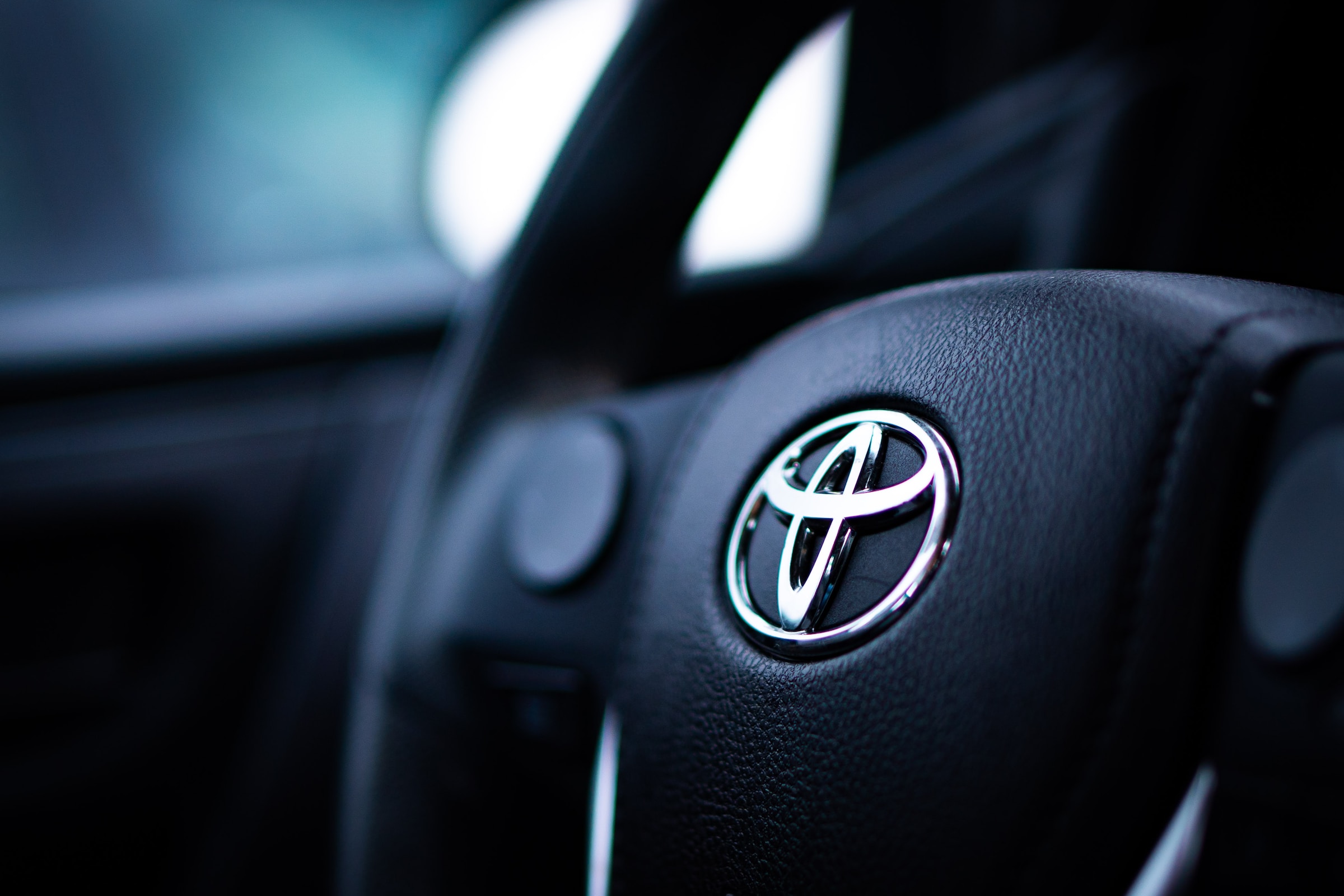
Redwood Materials has entered into a long-term agreement to provide recycled materials for Toyota's $13.9 billion electric vehicle (EV) battery plant in North Carolina. Thursday's announcement puts Redwood Materials at the forefront of the sustainable battery ecosystem.
Circular Battery Ecosystem to Lower EV Costs
Reuters reported that the deal entails Redwood remanufacturing EV battery components using materials sourced from Toyota and recycled from end-of-life vehicles, primarily hybrid-electric models like the iconic Prius. By incorporating a closed-loop, or circular, approach, Redwood intends to reduce EV costs by minimizing reliance on imported materials and decreasing the environmental impact, according to AutoNews.
J.B. Straubel, the Chief Executive Officer of Redwood and also a co-founder of global EV leader Tesla, expressed his enthusiasm about the agreement with Toyota, which positions Redwood to grow alongside the automaker's future needs. With Toyota's continuous expansion plans for the North Carolina plant and potentially other locations, Redwood aims to be a long-term solution for sustainable battery materials.
Redwood has set its sights on building an impressive annual battery component production capacity in the United States, targeting 100 gigawatt-hours. This capacity will be sufficient to supply more than one million EVs each year.
Moreover, Redwood has the flexibility to further expand its annual production capacity to a remarkable 500 GWh. This significant scale-up reflects Redwood's commitment to meeting the accelerating demand for clean and efficient transportation.
Expanding the American Battery Industry
Driven by Straubel's vision, Redwood is constructing a $3.5 billion facility near Charleston, South Carolina, in addition to its existing facility in Sparks, Nevada. From these hubs, Redwood will supply battery components to Toyota.
The company's product portfolio includes remanufactured cathode active material, which is made from recycled lithium, nickel, and cobalt. Additionally, Redwood offers anode foil produced from recycled copper. These two components are vital and contribute significantly to the cost of current lithium-ion cells.
Redwood has already secured recycling agreements with prominent players like Panasonic, Volkswagen, and Ford. Moreover, the company is actively providing remanufactured battery components to Panasonic, as the two companies jointly operate an EV battery plant in Nevada.
To bolster its ambitious plans, Redwood has successfully raised $2 billion in funding, with a valuation of $5.25 billion. Furthermore, the company has secured a Department of Energy-backed $2 billion loan.
Redwood's progressive approach aligns perfectly with the incentives outlined in the U.S. Inflation Reduction Act. This legislation, along with similar measures, aims to incentivize domestic battery component production and reduce dependence on imports from China. Redwood, alongside other companies, seeks to establish a robust and self-sustaining battery industry in North America.
Photo: Christina Telep/Unsplash







