


 Gold Price Today: Gold Slips as Dollar Rebounds Ahead of Fed Minutes
  Moody’s Says Peru’s President-Elect Keiko Fujimori Could Boost Investor Confidence
  Goldman Sachs Raises USD/JPY Forecast, Sees Yen Weakness Persist Through 2027
  Dollar Rebounds as Euro, Pound Slip Ahead of Fed Minutes, Yen Near Intervention Zone
  China Services PMI Beats Forecasts as Strong Demand Supports June Growth
  Goldman Sachs Flags 3 Key Risks Ahead of Europe’s Earnings Season
  US Stock Futures Rise as Investors Eye Fed Minutes, AI Stocks, and Q2 Earnings
  Japan Signals Readiness to Act on Yen as Intervention Speculation Grows
  Gold Price Rises as Softer Dollar and Fed Rate Expectations Boost Bullion Demand
  Iran Begins Oil Sale Talks With Japan Under U.S. Sanctions Waiver Amid Shipping Risks
  Asian Markets Slip as AI Earnings Season Looms, Oil Prices Fall Ahead of Key Fed Signals
  Turkey Vehicle Sales Fall 11.4% in June as Auto Market Weakens
  Asian Stocks Rebound as Tech Shares Rally on Fed Rate Cut Hopes and Easing Iran Tensions
  New Zealand Consumer Confidence Rises in June as Inflation Expectations Ease
  JPMorgan Cuts Gold Price Forecast, Sees Bullion Reaching $4,500 by End of 2026
  Gold Price Today: Bullion Heads for First Weekly Gain as Weak U.S. Jobs Data Eases Rate Hike Fears


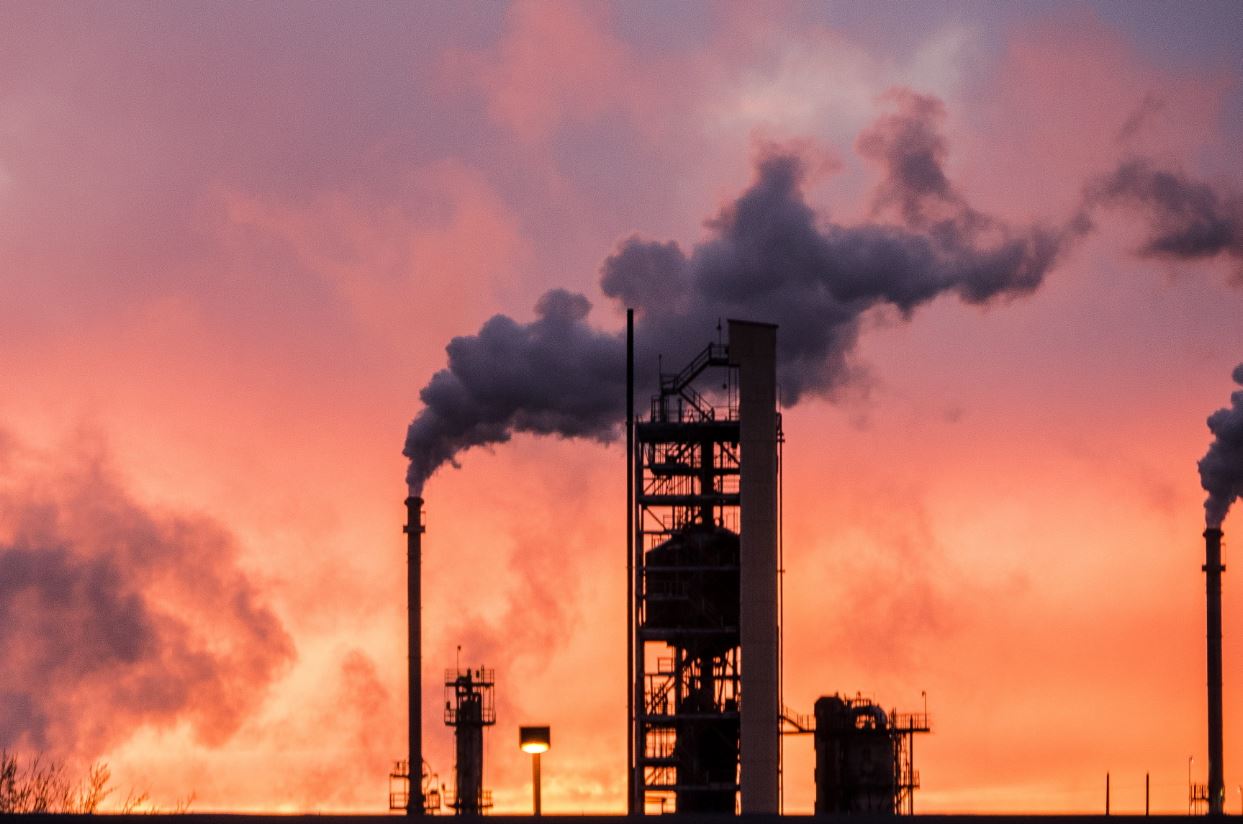


The oil industry’s lobbying arm, the American Petroleum Institute, suggested in a new draft statement that it might support Congress putting a price on carbon emissions to combat climate change, even though oil and gas are major sources of those greenhouse gas emissions.
An industry calling for a tax on the use of its products sounds as bizarre as “man bites dog.” Yet, there’s a reason for the oil industry to consider that shift.
With the election of President Joe Biden and rising public concern about climate change, Washington seems increasingly likely to act to reduce greenhouse gas emissions. The industry and many economists and regulatory experts, ourselves included, believe it would be better for the oil industry – and for consumers – if that action were taxation rather than regulation.
The American Petroleum Institute emphasized that trade-off in its draft statement, first reported in the Wall Street Journal on March 1. The statement says “API supports economy-wide carbon pricing as the primary government climate policy instrument to reduce CO2 emissions while helping keep energy affordable, instead of mandates or prescriptive regulatory action.”
Regulations versus taxation
There are a few ways to set a price on carbon. The most straightforward is a carbon tax. The price is designed to reflect all the harm done by greenhouse gas emissions, such as the impact of heat waves on public health.
A tax on carbon emissions would likely be imposed on firms that produce oil, gas, coal and anything else whose use results in carbon emissions. While companies would be taxed, they would pass those costs on to consumers.
The tax gives everyone incentives to reduce their contributions to carbon emissions by, for instance, fixing leaky windows, buying an electric vehicle or making a factory more efficient. In addition, the revenue from the carbon tax could be rebated to consumers in a variety of ways. Thus, if the tax is high enough, everyone from the biggest corporation to the most modest homeowner would have a strong incentive to search out the most cost-effective ways to cut carbon emissions.
In contrast, regulations put federal agencies in charge of deciding how best to reduce emissions. Regulators in Washington often know far less than individual factory owners, homeowners and others how to cut those factories’ and homes’ emissions most cost-effectively and thus reduce the cost of the tax for those people. Regulation comes with procedural requirements that impose paperwork expenses and delays on businesses, too.
Regulators can also be subject to pressure from members of Congress and lobbyists to do favors for campaign contributors such as, for example, not regulating emissions of favored industries stringently or regulating in ways that protect favored industries from competition. In the 1970s, one of us, David Schoenbrod, was a Natural Resources Defense Council attorney who sued under the Clean Air Act to get the EPA to stop the oil industry from adding lead to gasoline. That experience laid bare the accountability problem: The statute allowed Congress to take credit for protecting health, but lawmakers from both parties lobbied the agency to leave the lead in, and then Congress blamed the agency for failing to protect health.
The upshot, in our view, is that regulation could produce less environmental protection bang for the buck than a carbon tax.
As then-presidential candidate Barack Obama stated in 2008, with regulation, agencies dictate “every single rule that a company has to abide by, which creates a lot of bureaucracy and red tape and oftentimes is less efficient.”
What will Congress do?
On March 2, a new major climate bill was introduced in Congress. It reflects many of Biden’s climate strategies, but it sticks to regulation rather than considering a carbon price.
The CLEAN Future Act, introduced by the ranking Democrats on the House Energy and Commerce Committee, directs regulators to reduce greenhouse gas emissions to zero by 2050. The centerpiece of the bill is a national clean electricity standard, which focuses narrowly on electricity generation and, we believe, misdefines the climate problem as too little clean electricity rather than too much carbon being emitted from all sources.
The bill’s 981 pages are jam-packed with regulatory mandates and leave plenty of opportunity for legislators to blame regulators for both the failure to achieve the act’s goal and the burdens of trying to do so. Besides, most of the legislators who would vote for such a bill will be out of office long before 2050.
A carbon tax could be passed decades before 2050. Whether it will be set high enough to do the job remains to be seen, but we will know exactly which elected officials to blame or applaud for their attempt to tackle climate change. Government will be transparent, as it and a clean atmosphere should be.
What’s at stake in the choice between taxing carbon and regulating it is not how much we will cut emissions – Congress can set the tax, and thus the reduction in emissions, as high as it wishes. What is at stake is whether the choice of how to cut carbon will be made by the businesses and people who emit it or by regulators, legislators, and lawyers and lobbyists working for business and advocacy organizations.







