


 What’s so special about Ukraine’s minerals? A geologist explains
  Rise of the Zombie Bugs takes readers on a jaw-dropping tour of the parasite world
  Extreme heat, flooding, wildfires – Colorado’s formerly incarcerated people on the hazards they faced behind bars
  How America courted increasingly destructive wildfires − and what that means for protecting homes today
  How is Antarctica melting, exactly? Crucial details are beginning to come into focus
  Parasites are ecological dark matter – and they need protecting
  Fertile land for growing vegetables is at risk — but a scientific discovery could turn the tide
  Ukraine minerals deal: the idea that natural resource extraction can build peace has been around for decades
  Thousands of satellites are due to burn up in the atmosphere every year – damaging the ozone layer and changing the climate
  The UK is surprisingly short of water – but more reservoirs aren’t the answer
  Swimming in the sweet spot: how marine animals save energy on long journeys
  How to create a thriving forest, not box-checking ‘tree cover’
  An unexpected anomaly was found in the Pacific Ocean – and it could be a global time marker


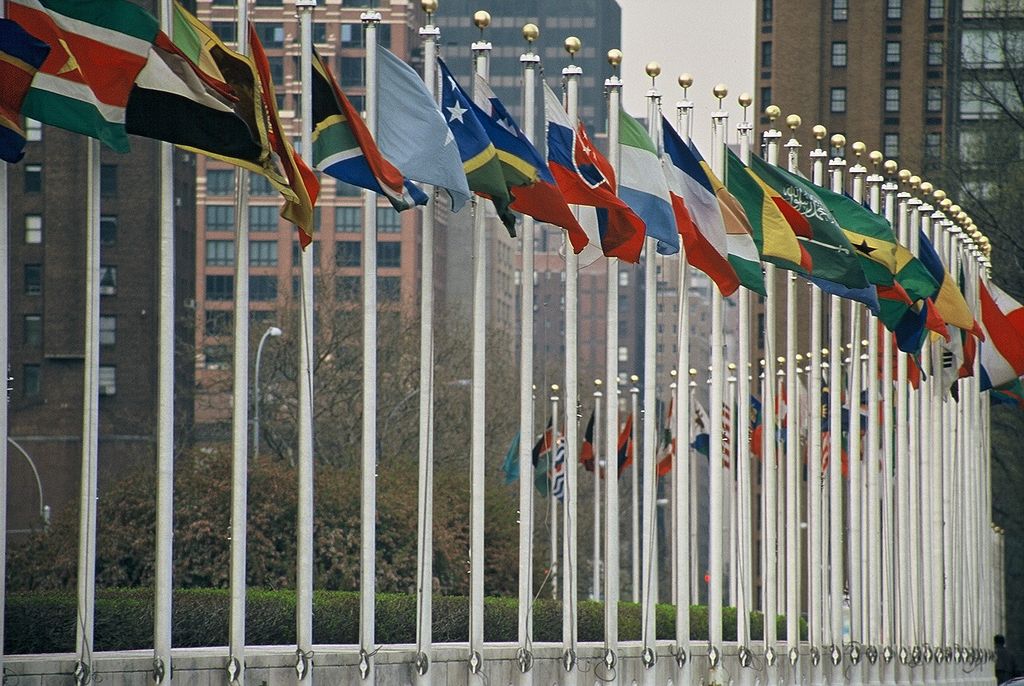
Leaders and diplomats from more than 160 countries are gathering at the United Nations' New York headquarters on April 22 to sign the Paris Agreement – the landmark climate deal hammered out at the culmination of last year’s talks.
The ceremony marks the start of a year-long opportunity for countries to sign the agreement, although most of the world will sign on the opening day. But the process doesn’t end there – nations will still need to ratify the treaty domestically. Only when at least 55 countries, accounting for at least 55% of global greenhouse emissions, have done so will the Paris deal become international law.

 James Whitmore, Editor, Environment & Energy
This article was originally published on The Conversation. Read the original article.













