


 Nanya Technology Shares Surge 10% After $2.5 Billion Private Placement from Sandisk and Cisco
  Cybersecurity Stocks Tumble After Anthropic's Claude Mythos AI Leak Sparks Market Fears
  OpenAI Executive Shake-Up Ahead of Anticipated 2026 IPO
  Australia's Social Media Ban for Under-16s Sparks Global Movement
  Reflection AI Eyes $25 Billion Valuation in Massive $2.5 Billion Funding Round
  Microsoft Eyes $7B Texas Energy Deal to Power AI Data Centers
  Meta and Google just lost a landmark social media addiction case. A tech law expert explains the fallout
  Chinese Universities with PLA Ties Found Purchasing Restricted U.S. AI Chips Through Super Micro Servers
  California's AI Executive Order Pushes Responsible Tech Use in State Contracts
  SpaceX Eyes Historic IPO at $1.75 Trillion Valuation
  Annie Altman Amends Sexual Abuse Lawsuit Against OpenAI CEO Sam Altman
  NASA Artemis II: First Crewed Moon Mission Since Apollo Takes Four Astronauts on 10-Day Lunar Journey
  Elon Musk Ties SpaceX IPO Access to Mandatory Grok AI Subscriptions
  Makemation: a Nollywood movie that shows AI in action in Africa
  TSMC Japan's Second Fab to Produce 3nm Chips by 2028
  Meta Ties Executive Pay to Aggressive Stock Price Targets in Major Retention Push
  Federal Judge Blocks Pentagon's Blacklisting of AI Company Anthropic


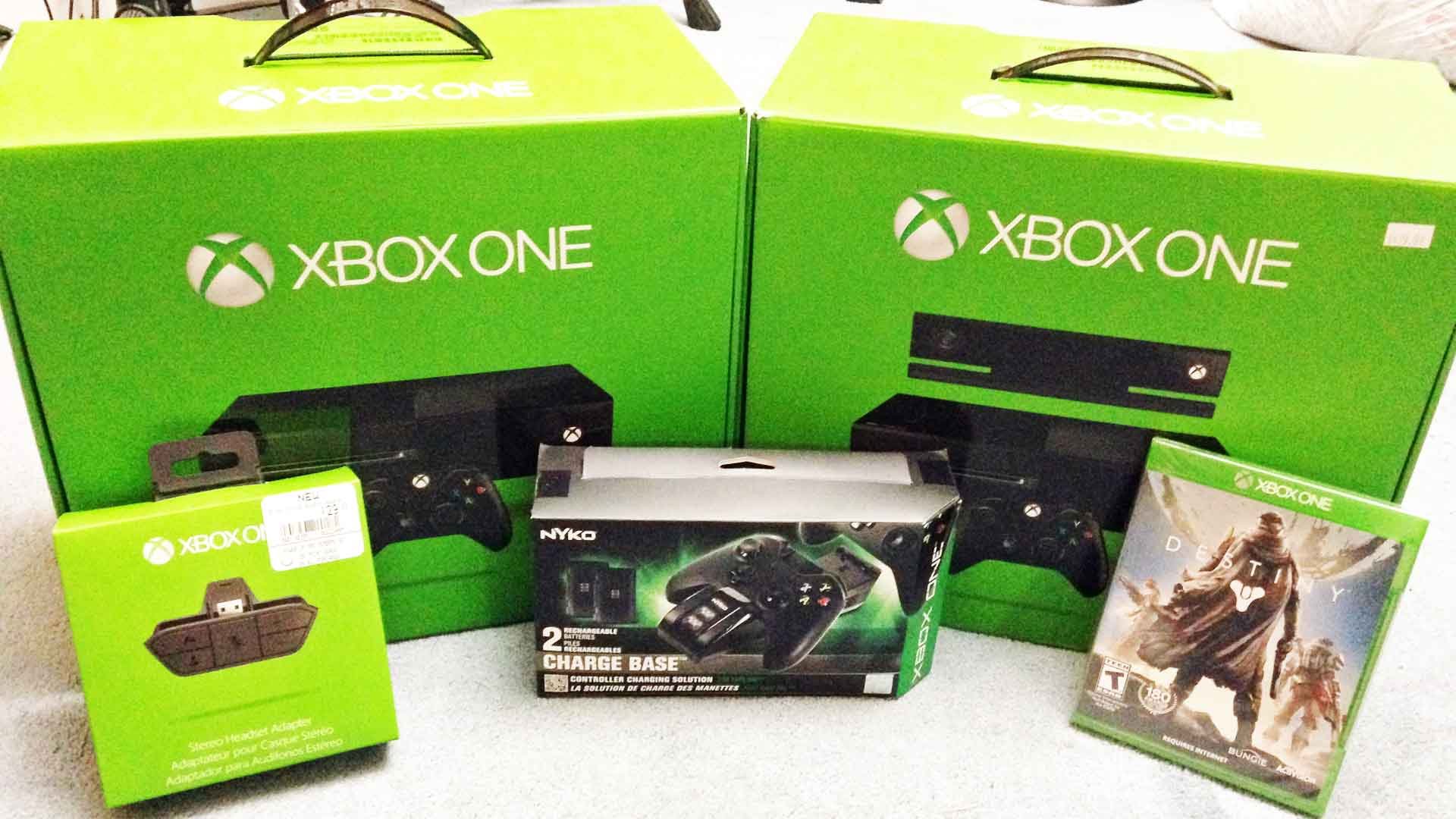
Video game consoles like the “Playstation” and “Xbox” are typically good for about 5 years on average before companies like “Sony,” “Microsoft” and “Nintendo” introduce the next generation of those consoles. At that point, video game players decide to switch to the better, more powerful systems for $400 to $600. However, according to a recent article by Mashable, gamers could be looking at a similar arrangement with mobile phone carriers where they could just upgrade consoles instead of buying entirely new ones.
There was a lot of buzz several months ago about a statement that “Xbox” head Phil Spencer said regarding the future of the console. Supposedly, it could follow a similar path to what PCs are treading right now, allowing for hardware upgrades of specific parts like the graphics card or the memory, instead of buying an entirely new “Xbox”.
This pronouncement highlighted the question of what the next generations of home video game hardware will look like as a whole, and not just the “Xbox”. As the Mashable article points out, there are details bleeding out regarding the details of the upgraded versions of “Xbox One” and “PS4” as well as future console generations that new replacements will stop being the norm. Instead, upgraded versions of the existing console will be an offer which can still play the game released for the original machine.
This is the same trend that applies to mobile devices where they are basically the same items, but with upgraded features. They can still play the same apps, do the same tasks, and offer the same features as previous generations, only with much better performance. The Mashable article speculates that “Microsoft” and “Sony” might just switch to this type of business practice.
The article also posits the possibility of upgrading to the new console via a planned payment route where instead of paying the full $600 on a new “Xbox,” players can just pay monthly fees until they decide to switch to the next one.







