


 Ghana Says Western Support Growing for Slave Trade Reparations
  Trump, Xi Focus on Trade and AI at White House Summit
  EU Defence Build-Up Too Slow for 2030 Russia Readiness Goal
  Mexico-US Trade Talks Delayed to October as Tariff Negotiations Continue
  Netanyahu Defends Israel at UN as Delegates Stage Walkout
  Trump, Xi Visit US National Archives After White House Summit
  US Backs Musk in Fight Against EU’s €120 Million X Fine
  What ‘Taiwan Independence’ Means as Xi Presses Trump on US Policy
  France Defends Netanyahu Airspace Clearance Despite ICC Warrant
  South Korea, US Discuss Warship Building Cooperation
  Saudi Arabia, Turkey and Pakistan Plan Urgent Defence Talks Over Houthi Attacks
  Xi Calls for Deeper U.S.-China AI Cooperation in Trump Talks
  Najib Razak Seeks Stay of 15-Year 1MDB Prison Sentence
  Netanyahu Takes Aim at Mamdani as Israel Election Nears
  Pezeshkian Says US Must Choose When Iran War Ends
  Sudan Rejects US Legitimacy Remarks, Defends Sovereignty
  Trump Asks Supreme Court to Restore Third-Country Deportations


 Add as a preferred source on Google
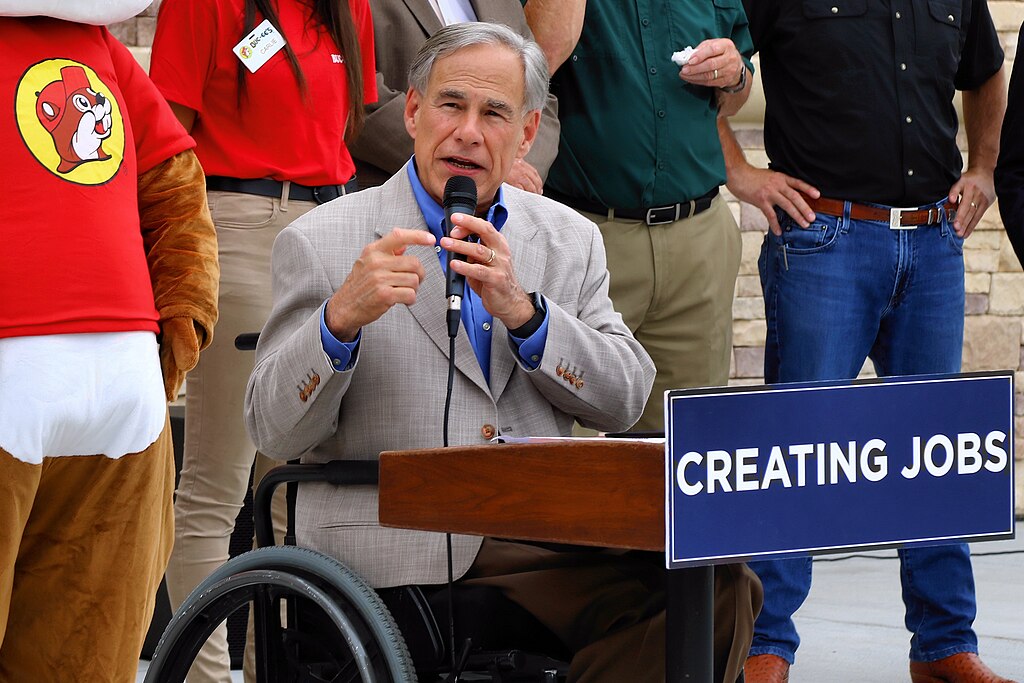
Texas Governor Greg Abbott is set to sign a landmark education bill on Saturday, making over 5 million students eligible for private school vouchers. The $1 billion program, launching in the 2026-27 school year, positions Texas as the 16th Republican-led state to adopt universal school choice policies. The law allows most students to receive up to $10,000 annually in state funds for private education, with caps on aid for wealthier households.
Advocates hail the move as a win for parental rights, while critics warn it could drain resources from Texas’ already underfunded public schools, which rank 47th in per-pupil spending nationwide. Opponents also argue vouchers disproportionately benefit higher-income families, as many private schools cost more than the maximum voucher amount.
The law includes oversight measures like annual audits and standardized testing for participating schools. Trump-backed and aligned with the Heritage Foundation’s Project 2025 blueprint, the bill signals a major shift in education policy, further accelerated by Trump’s executive orders promoting school choice and seeking to dismantle the federal Department of Education.
Despite concerns, Abbott has balanced the policy with a separate $7.7 billion public school funding bill now awaiting Senate approval. However, education advocates say even that falls short, noting public schools would need nearly $20 billion more just to match inflation since 2019.
The push for school vouchers in Texas dates back decades but only gained traction after Abbott successfully targeted anti-voucher Republicans in the 2024 primaries. Supporters now see this as a tipping point in reshaping American education, with conservatives aiming to reduce federal influence and promote educational options aligned with family values.
With Texas hosting the second-largest public school system in the U.S., the impact of this reform could reshape national education debates.







