


 Databricks to Invest $350 Million in Singapore AI Expansion
  SK Hynix, Intel Discuss U.S. Memory Chip Production Deal
  Burnham Eyes UK Leadership Role in AI Ahead of Trump Meeting
  Scott Bessent Eyed as Trump’s New AI Czar
  SoftBank Launches $11 Billion Bond Sale to Fund OpenAI Investment
  Petrobras Joins Brazil Diesel Subsidy Program
  NASA, Boeing Discuss Expanding Starliner Missions
  Japan, U.S. Discuss $19 Billion GlobalFoundries Chip Plant
  Rosenblatt Starts Nokia at Buy on AI Networking Growth
  SoftBank Raises $11.1 Billion in Bond Sale to Fund OpenAI Investment
  Westinghouse Targets $50 Billion Valuation in U.S. IPO
  China Vanke Shares Jump as Beijing Moves to Ease Debt Pressure
  Nvidia CEO Jensen Huang Expected at Trump-Xi State Dinner
  US Northeast Airports Resume Operations After Telecom Outage Disrupts Thousands of Flights
  Volkswagen Shares Slide After 2026 Profit Outlook Cut
  Hyundai CEO Warns Chinese Automakers Could Disrupt US Market
  Novo Nordisk Weighs Direct NYSE Listing to Boost U.S. Profile


 Add as a preferred source on Google
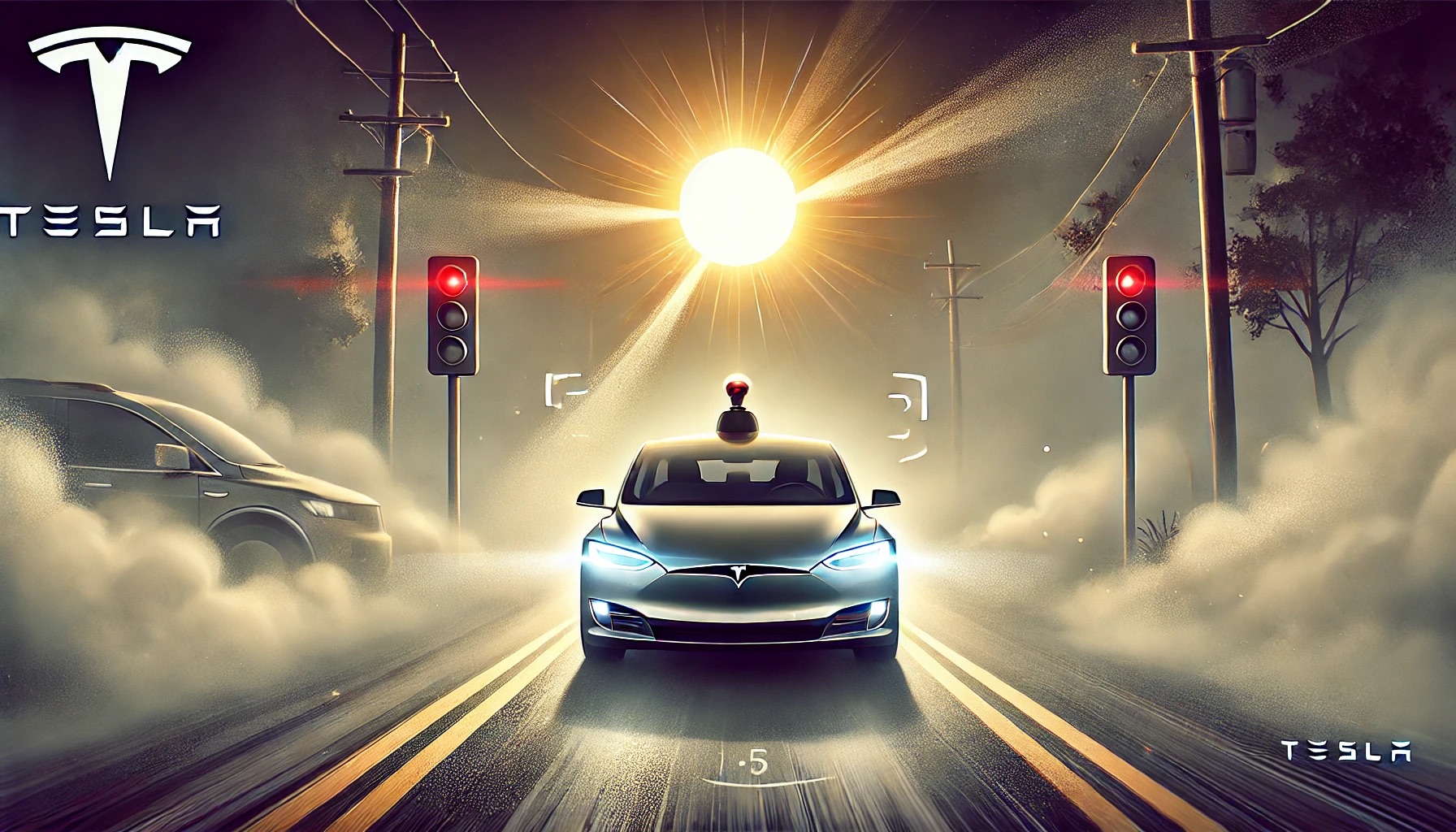
The National Highway Traffic Safety Administration has launched a new investigation into Tesla’s Full Self-Driving (FSD) system after multiple crashes were reported in reduced visibility conditions such as fog, sun glare, and airborne dust, including at least one fatal accident.
Tesla’s Vision-Only Approach Under Scrutiny
Regarding its vision-only strategy for autonomous driving, Tesla has maintained to face substantial skepticism.
Now, the NHTSA has begun a new inquiry into the purportedly impaired capability of Tesla's custom autonomy solution to traverse low-visibility situations, just as the electric vehicle behemoth is preparing to release an unsupervised FSD as early as next year.
NHTSA Investigates Low-Visibility Crashes
Specifically, the National Highway Traffic Safety Administration (NHTSA) has initiated an initial inquiry into multiple traffic accidents that happened in low-visibility situations when Tesla's FSD was turned on. Tragically, one of the four accidents under scrutiny resulted in death. Notated by the agency:
"In these crashes, the reduced roadway visibility arose from conditions such as sun glare, fog, or airborne dust."
Delays Could Impact Tesla's 2026 Cybercab Launch
Although this inquiry is still in its early stages, a negative outcome might significantly delay Tesla's plans to release its FSD with unsupervised capability next year, which would mean a postponement of the fully autonomous Cybercab debut in 2026.
As reported by WCCFTECH, it should be noted that Elon Musk had previously stated during the October 10th Cybercab reveal event that the "fully autonomous" unsupervised FSD for Models S, 3, X, and Y will begin to be distributed in 2019 in the states of Texas and California, and that the Cybercab will formally debut "before 2027."
FSD Still Lags Behind Waymo’s Disengagement Rates
Nevertheless, there are those who continue to doubt Tesla's intentions about autonomy, especially in light of the data that is currently available from the California DMV, which shows that Waymo averages a disengagement every 17,311 miles—far more than what the FSD is capable of.
LiDAR May Become a Necessity for Tesla
Although, if the NHTSA were to issue a negative verdict, Tesla might be compelled to add LiDAR sensors to its vision-only autonomous driving system.
However, with the unsupervised FSD being trained on a vision-only neural network, this conclusion will be quite costly and would significantly delay Tesla's autonomy-related objectives.







