


 TSMC Japan's Second Fab to Produce 3nm Chips by 2028
  Paramount Skydance Secures $24B from Gulf Sovereign Wealth Funds for Warner Bros. Discovery Takeover
  SpaceX IPO: Retail Investors to Play Historic Role in Record-Breaking Public Offering
  MATCH Act Targets ASML and Chinese Chipmakers in New U.S. Export Crackdown
  RBC Capital: European Medtech Firms Show Minimal Middle East and Energy Risk Exposure
  Rubio Directs U.S. Diplomats to Use X and Military Psyops to Counter Foreign Propaganda
  Elon Musk Ties SpaceX IPO Access to Mandatory Grok AI Subscriptions
  Britain Courts Anthropic Amid US Defense Department Dispute
  Reflection AI Eyes $25 Billion Valuation in Massive $2.5 Billion Funding Round
  Trump Administration Plans 100% Tariffs on Pharmaceutical Imports
  SMIC Allegedly Supplies Chipmaking Tools to Iran's Military, U.S. Officials Warn
  Deere & Company Agrees to $99 Million Settlement Over Right-to-Repair Dispute
  First Western Ship Transits Strait of Hormuz Since Iran War Began
  Samsung Electronics Posts Eightfold Profit Surge Driven by AI Chip Demand
  Norma Group Posts Revenue Decline in 2025, Eyes Modest Recovery in 2026
  Apple Turns 50: From Garage Startup to AI Crossroads
  Private Credit Under Pressure: Is a Slow-Motion Crisis Unfolding?


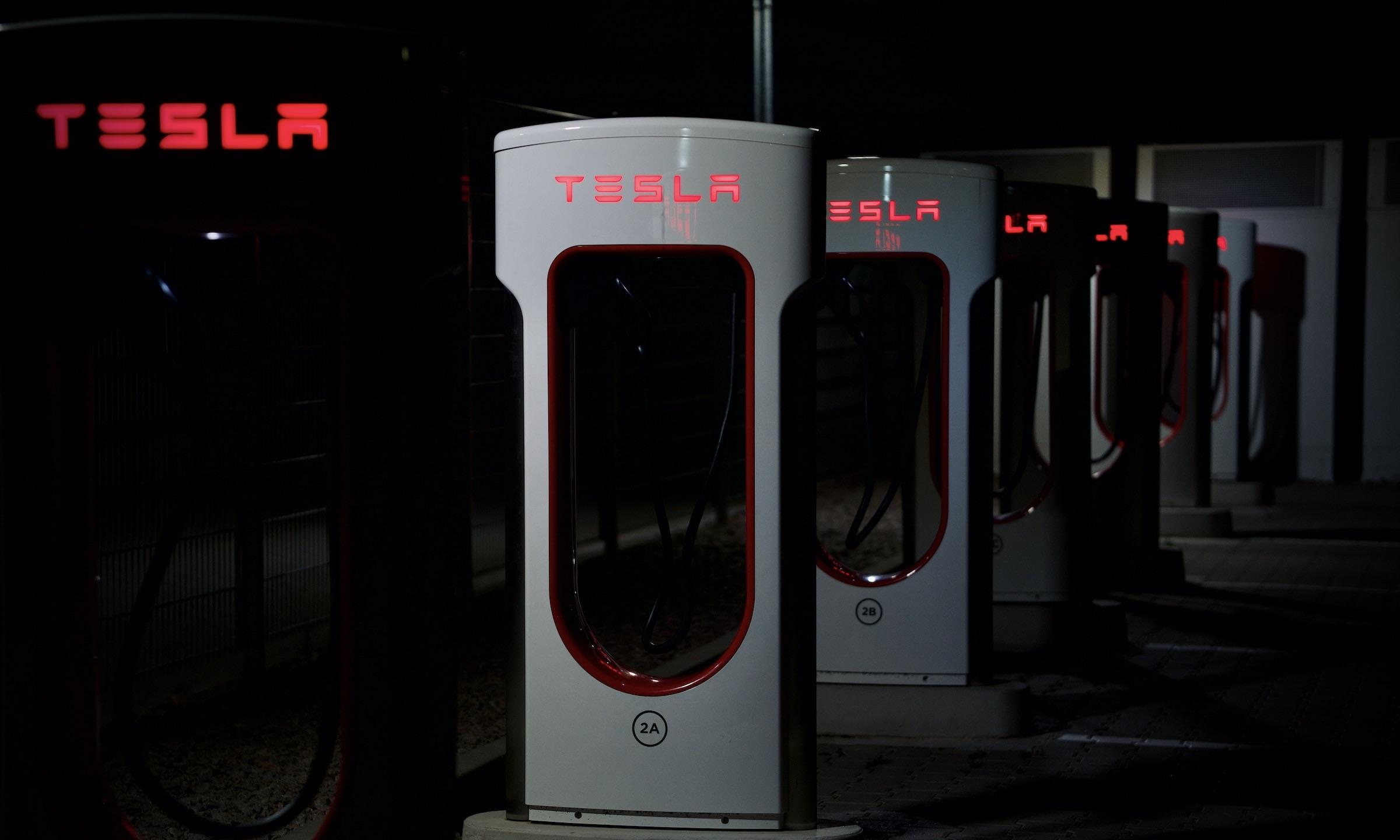
Due to economic uncertainties and concerns over a potential slowdown in demand, leading automakers Tesla, GM, and Ford have taken a cautious approach to expanding electric vehicle (EV) production capacity. The situation may indicate a temporary slowdown in EV demand.
Tom Narayan, global auto analyst at RBC Capital Markets, attributed this to pricing and affordability concerns rather than a rejection of EVs. He predicts that as prices of EVs decrease and lower-cost variants become available, the dip in demand will likely improve.
Narayan attributed this to pricing and affordability concerns rather than a rejection of EVs. He predicts that as prices of EVs decrease and lower-cost variants become available, the dip in demand will likely improve.
Tesla's CEO Elon Musk Voices Concerns over Borrowing Costs and Economy
According to Reuters, Tesla CEO Elon Musk expressed worries that higher borrowing costs could hinder potential customers from affording their vehicles despite significant price cuts. Musk emphasized the need for economic clarity before ramping up the company's factory in Mexico.
"People hesitate to buy a new car if there's uncertainty in the economy," Musk said on a post-earnings call where he also talked about "paycheck-to-paycheck" pressures on American workers. "I don't want to be going into top speed into uncertainty."
"If interest rates remain high ... it's that much harder for people to buy the car. They simply can't afford it," Musk said, adding he would "accelerate" expansion of the Mexico factory if interest rates come down.
The Bharat Express observed that Musk's comments follow a series of warning signals from other automakers and EV startups. The market response to these concerns was reflected in an 8% decline in Tesla's shares and in the shares of other EV manufacturers.
GM and Ford Experience Setbacks in EV Production
GM recently announced a one-year delay in the production of Chevrolet Silverado and GMC Sierra electric pickup trucks at a plant in Michigan, citing a flattening demand for EVs.
Similarly, Ford temporarily reduced one of its three shifts at the plant manufacturing its electric F-150 Lightning pickup truck. The automaker slowed its EV ramp-up in July, redirecting investments toward commercial vehicles and hybrids.
EV startups Lucid and Rivian also faced setbacks in this uncertain climate. Lucid reported a nearly 30% drop in third-quarter production and a marginal delivery increase despite offering significant discounts.
This situation raised concerns about the demand for its Air luxury sedan. Rivian, known for manufacturing electric pickup trucks and SUVs, disappointed investors by refraining from raising its full-year production forecast, even though its third-quarter numbers exceeded expectations.
Photo: Tech Nick/Unsplash







