


 Makemation: a Nollywood movie that shows AI in action in Africa
  NASA Artemis II: First Crewed Moon Mission Since Apollo Takes Four Astronauts on 10-Day Lunar Journey
  Chinese Universities with PLA Ties Found Purchasing Restricted U.S. AI Chips Through Super Micro Servers
  Cybersecurity Stocks Tumble After Anthropic's Claude Mythos AI Leak Sparks Market Fears
  Microsoft's $10 Billion Japan Investment: AI Infrastructure and Data Sovereignty Push
  Australia's Social Media Ban for Under-16s Sparks Global Movement
  SMIC Allegedly Supplies Chipmaking Tools to Iran's Military, U.S. Officials Warn
  Google's TurboQuant Algorithm Sends Memory Chip Stocks Tumbling
  Britain Courts Anthropic Amid US Defense Department Dispute
  Rubio Directs U.S. Diplomats to Use X and Military Psyops to Counter Foreign Propaganda
  Reflection AI Eyes $25 Billion Valuation in Massive $2.5 Billion Funding Round
  Apple Turns 50: From Garage Startup to AI Crossroads
  TSMC Japan's Second Fab to Produce 3nm Chips by 2028
  Elon Musk Ties SpaceX IPO Access to Mandatory Grok AI Subscriptions
  Microsoft Eyes $7B Texas Energy Deal to Power AI Data Centers
  Samsung Electronics Posts Eightfold Profit Surge Driven by AI Chip Demand
  SpaceX Eyes Historic IPO at $1.75 Trillion Valuation


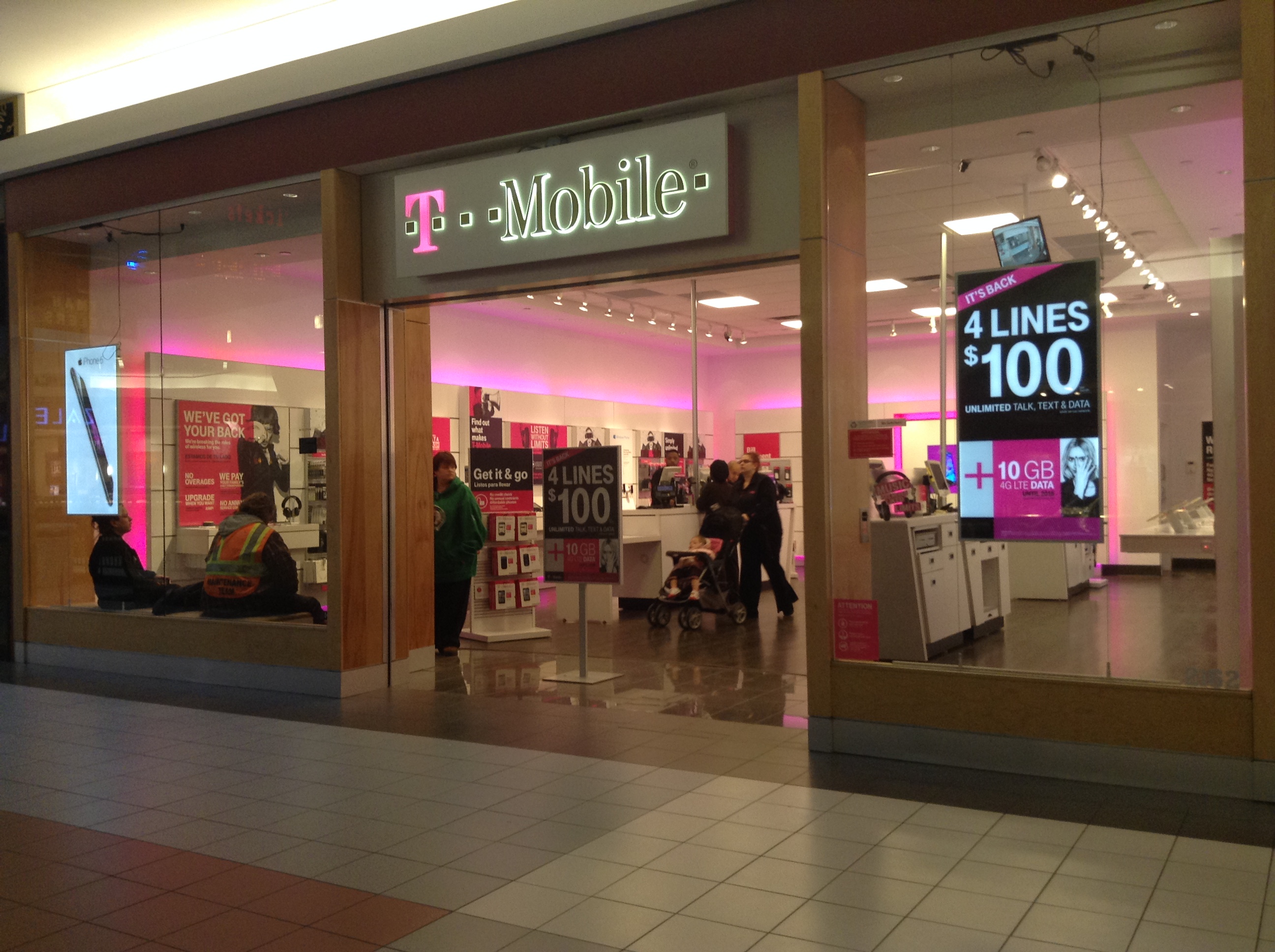
The way the modern wireless internet industry works is using airwaves as a kind of series of highways where data travels from the carriers to the consumers. Naturally, the carrier with the most number of highways with the biggest clearance will have the best internet speeds. In a recent auction, T-Mobile outbid AT&T, Comcast, and Dish Network by spending $8 billion to secure airwaves.
The airwaves in question are basically the spectrum that exists invisible to the eyes of humans, which various mediums of entertainment and communication have been using for decades. In this particular instance, it’s the spectrums used by TV companies, The Washington Post reports. They were part of an auction conducted by the Federal Communications Commission.
In a Tweet, T-Mobile CEO John Legere announced that his company cleaned house by getting the majority of the spectrum that was up for bidding. This is yet another way that the Uncarrier is shaking things up a bit.
Yep! The results of the recent low-band @FCC spectrum auction are in!!! and... Well, @TMobile CLEANED UP! This is HUGE news for customers!
— John Legere (@JohnLegere) April 13, 2017
“Yep! The results of the recent low-band @FCC spectrum auction are in!!! and... Well, @TMobile CLEANED UP! This is HUGE news for customers!” the Tweet reads.
Some of the new airwaves might be available for use later in the year, but nothing is certain. For now, it’s at least worth noting that T-Mobile just gained a significant cut of the wireless superhighway, which means that it is about to gain a lot of ground against its bigger competitors.
Quite a few things need to happen before these new airwaves can be used, The Verge reports. For one thing, the TV companies using them need to relinquish their rights to the spectrums, which won’t completely happen until 2020. There’s also the fact that current smartphones don’t use the spectrums that T-Mobile just bought, so this is definitely a long-term investment.
On the other hand, T-Mobile has a lot to gain by laying the groundwork to put it on par with AT-&T and Verizon. With 5G wireless connection coming in and smartphone use expected to explode in the coming years, Legere needed those airwaves to remain competitive.







