


 The American mass exodus to Canada amid Trump 2.0 has yet to materialize
  Luxshare Shares Rise as First-Half Profit Jumps 18%
  BofA Names ASML Top Semiconductor Equipment Pick on Growth, Valuation
  SK Hynix Shares Fall as Workers Reject Wage Deal
  OpenAI Data Center Chief Chris Malone Exits Ahead of Planned 2027 Listing
  Nvidia Revenue Soars 106% as AI Demand Hits ‘Inflection Point’
  New Zealand Moves to Ban Social Media for Children Under 16
  Nvidia Reportedly Eyes $13 Billion Hugging Face Acquisition
  SoftBank Eyes $20 Billion Bond Sale to Refinance OpenAI Loan
  U.S. Disrupts China-Linked Hacking Campaign Targeting Government Agencies
  Trump Administration Plans New Drug Pricing Deals With Biotech Firms
  HP Stock Drops 9% Despite Q3 Earnings Beat and Raised 2026 Outlook
  Columbia Student Mahmoud Khalil Fights Arrest as Deportation Case Moves to New Jersey
  Trump Buys SpaceX Shares After Record IPO
  Glastonbury is as popular than ever, but complaints about the lineup reveal its generational challenge
  BNP Paribas, KB Kookmin Eye $2 Billion Techcombank Stake


 Add as a preferred source on Google
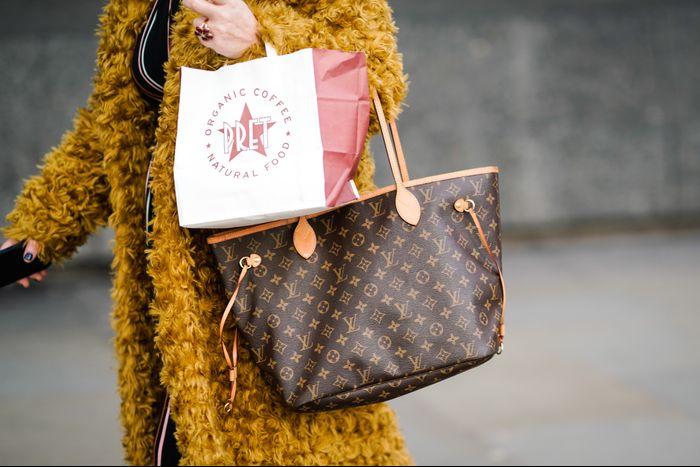
Komehyo Holdings Co., a leading seller of second-hand brand-name goods, is using an artificial intelligence-based mechanism that can identify fakes with a 99 percent accuracy.
Yuya Yamauchi, a Komehyo director responsible for the development of the authentification system, said the process starts by photographing the overall images of the item. The pictures are then uploaded to a computer, which shows more than one candidate model from the company’s database.
While a lot of time is required for humans to learn about the enormous number of items sold in the past, the AI quickly narrows down the candidate models.
The inspected item is then photographed with a camera-equipped microscope to produce images entered into the AI system for comparison with genuine models.
The microscopic images would then reveal tiny details that can confirm if the inspected product is genuine.
Komehyo began developing the AI system in 2018 by feeding its database photos of brand-name products from among 1.6 million articles it amassed annually.
The company began using AI in August 2020 to authenticate bags, wallets, and other fashion accessories.
Komehyo initially focused on Louis Vuitton products before covering goods from five major brands, including Chanel, Hermes, and Gucci.
The AI mechanism is used at 40 of 60 Komehyo stores throughout Japan, including outlets that exclusively purchase second-hand articles.







