


 Rosenblatt Starts Nokia at Buy on AI Networking Growth
  European Stocks Rally After Fed Hike, Iran Peace Hopes
  Wall Street Mixed as Treasury Yields Rise After Fed Hike
  Nike Earnings at Risk as UBS Cuts Price Target to $42
  Allegro Raises 2026 Outlook as International GMV Surges
  Bessent Presses Japan on Fiscal Policy as Yen Struggles
  Oil Prices Fall as Saudi Supply Concerns Ease
  LVMH-Hermès Dispute Deepens Over Secret 2002 Share Deal
  US Federal Register Drops Alibaba Qwen AI Search Tool
  FCC Approves Foreign Investment in $110B Paramount-Warner Bros. Deal
  Asian Gold Stocks Rise as Bullion Rebounds on Softer Dollar
  Yemen Fighting Threatens Red Sea Oil Routes
  Unsustainable – or manageable? We don’t yet know how data centres will impact Australia’s environment
  SpaceX Nasdaq 100 Weight to More Than Double in Rebalance
  Synthetic data could ease people’s concerns about privacy breaches. But who gets to create it?
  France Urges Faster AI Push Despite Safety Risks
  Asian Chip Stocks Rally as Treasury Yields Ease


 Add as a preferred source on Google
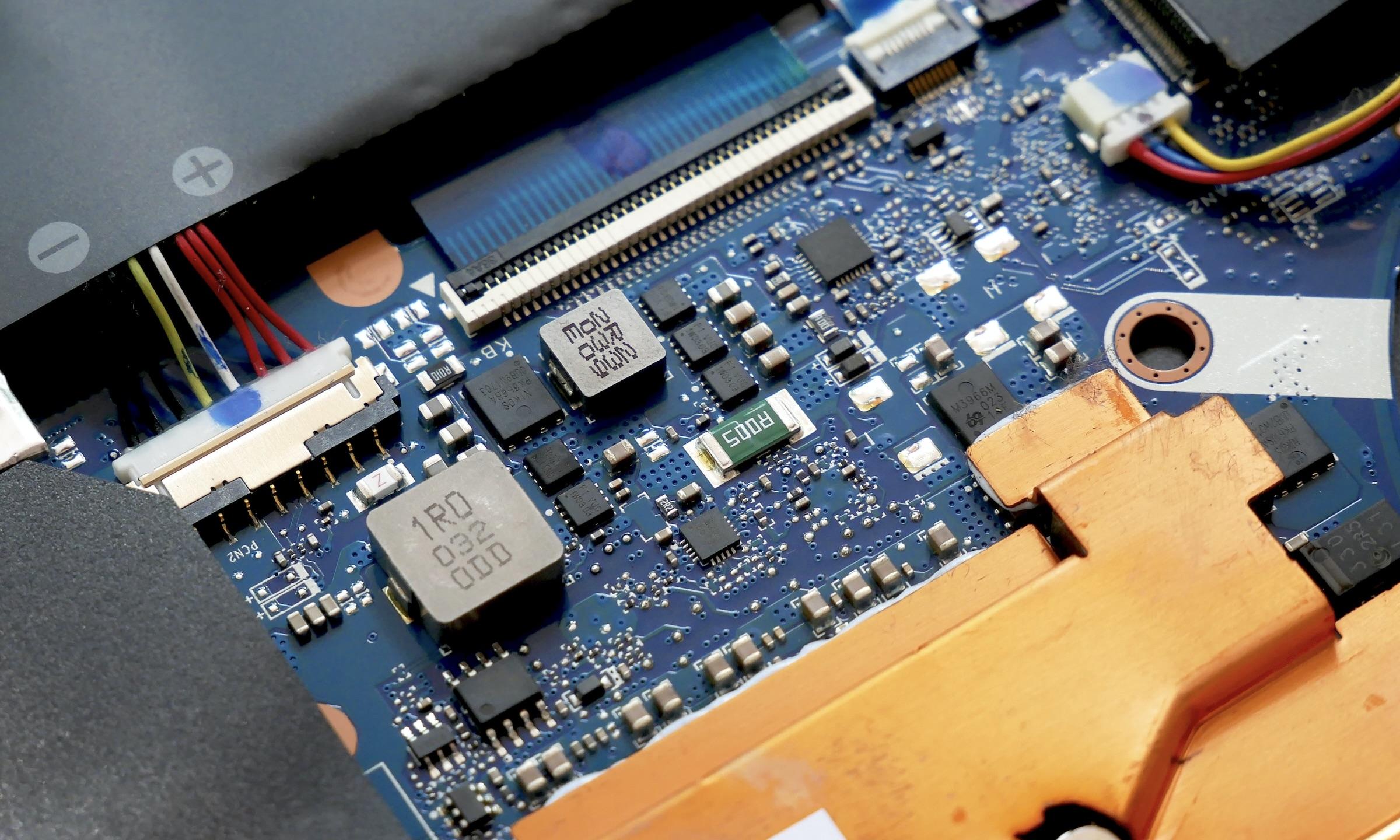
Japan Investment Corp., a government-backed fund, plans a bold $7 billion acquisition of global photoresists leader, JSR Corp., to amplify Japan's semiconductor self-sufficiency. This strategic move highlights the nation's increased focus on economic security and industrial competitiveness.
JSR, which holds a 30% share of the global market of photoresists, a critical chemical agent for manufacturing semiconductors, is expected to be delisted from the Tokyo Stock Exchange as early as fiscal 2024 if everything goes as planned. This will enable JSR to make management decisions on critical issues such as restructuring businesses and investments in growth sectors. The fund plans to invest ¥500 billion, with Mizuho Bank expected to lend about ¥400 billion.
The Japanese government is moving aggressively to beef up the domestic supply chain for semiconductors, which it considers a strategic commodity for economic security and national interest. According to Prime Minister Fumio Kishida, it is vital to secure an industrial base of semiconductor technology in Japan, not only to strengthen industrial competitiveness but also from the standpoints of decarbonization and economic security.
The Ministry of Industry revised its semiconductor and electronics industry strategy, aiming to increase annual domestic sales of semiconductor products threefold to more than ¥15 trillion. The ministry has also authorized a ¥330 billion subsidy to a new Hokkaido factory planned by Rapidus Corp., a semiconductor joint venture co-created by leading Japanese companies, including Toyota Motor Corp. and NTT Corp.
JSR said nothing was decided yet, but its board would discuss the matter on Monday after the Nikkei business daily reported that JIC was in talks to purchase the company via a tender offer as early as this year.
JSR, a company specializing in semiconductor materials and medical business, has reported a net profit of ¥15.7 billion on sales of ¥409 billion for the business year ending in March. The company, originally established as Japan Synthetic Rubber Co. in 1957 to produce synthetic rubber in Japan under a national policy, has since become a purely private-sector enterprise and has diversified into several business areas.
JSR is expecting a net profit of ¥25 billion on sales of ¥442 billion for the current business year. It strives for excellence in its field, and with its track record of success, JSR is poised for continued growth and innovation.
Photo: Vishnu Mohanan/Unsplash







