


 Why have so few atrocities ever been recognised as genocide?
  Debate over H-1B visas shines spotlight on US tech worker shortages
  The pandemic is still disrupting young people’s careers
  Yes, government influences wages – but not just in the way you might think
  Office design isn’t keeping up with post-COVID work styles - here’s what workers really want
  The ghost of Robodebt – Federal Court rules billions of dollars in welfare debts must be recalculated
  Why a ‘rip-off’ degree might be worth the money after all – research study
  Want to cut your energy bills? Here’s how five experts are doing it
  Locked up then locked out: how NZ’s bank rules make life for ex-prisoners even harder
  1 in 3 uni students experience serious financial hardship. Could concession cards for all help?
  ‘Buy now, pay later’ doesn’t feel like debt. For young people, that can be a big problem
  Disaster or digital spectacle? The dangers of using floods to create social media content
  6 simple questions to tell if a ‘finfluencer’ is more flash than cash
  Booked to travel through the Middle East? Here’s why you shouldn’t cancel your flight
  Can your cat recognise you by scent? New study shows it’s likely
  Why financial hardship is more likely if you’re disabled or sick


 Add as a preferred source on Google
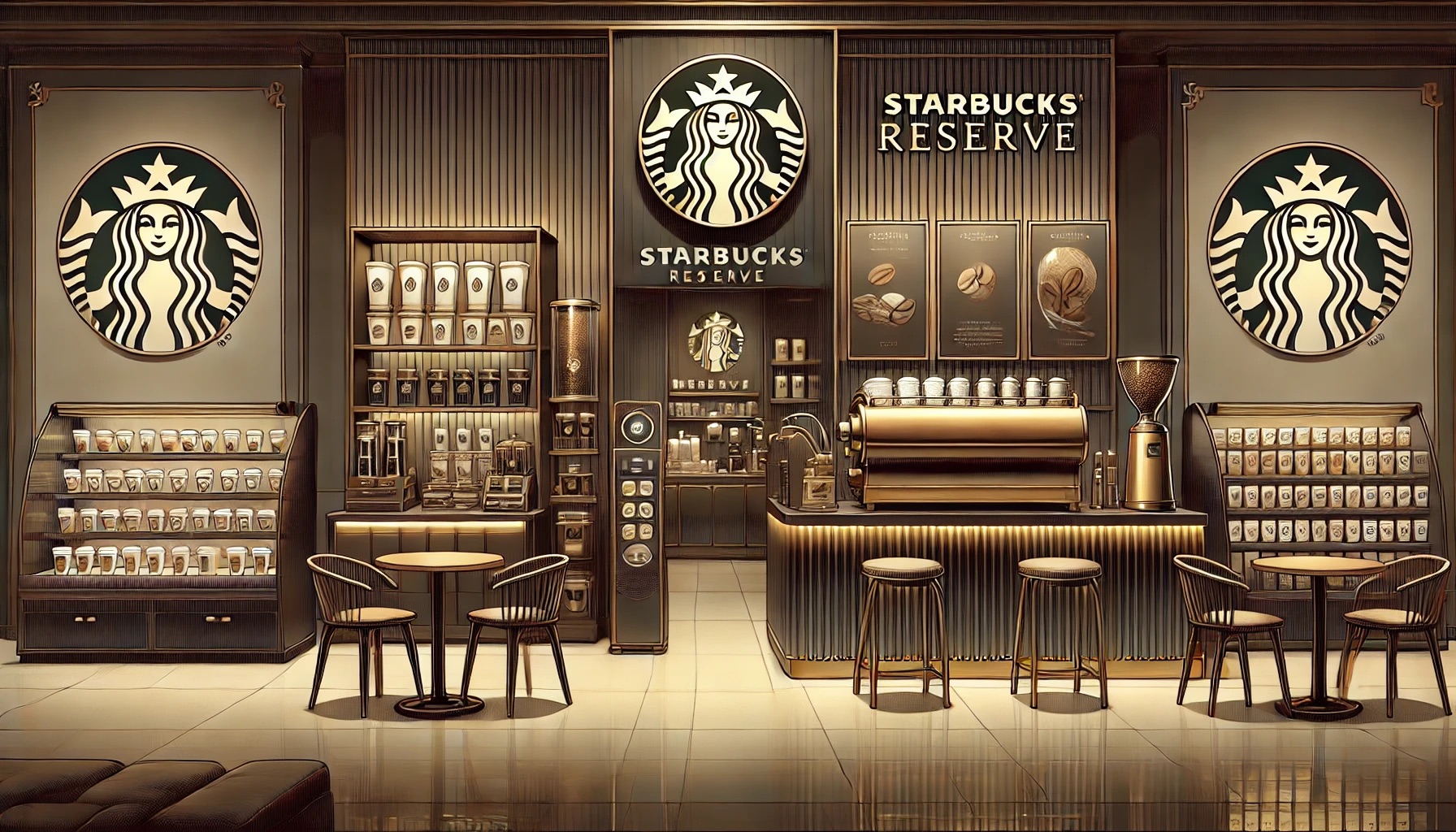
Starbucks launched its Reserve line to enter the specialty coffee market, aiming for widespread expansion. However, despite opening several flagship roasteries, ambitious plans to open hundreds of Reserve stores were scaled back as Starbucks faced challenges positioning itself in the luxury coffee space.
Starbucks Scales Back Reserve Expansion Plans Amid Challenges in Entering the Luxury Coffee Market
The origins of Starbucks' Special Reserve program trace back to the early 2000s when third-wave specialty coffee shops like Stumptown, Intelligentsia, and Counter Culture gained popularity. In response, Starbucks launched its Black Apron Exclusive line of single-origin coffees in 2004, which later evolved into the Starbucks Reserve line in 2010.
In 2014, Starbucks debuted its first Reserve Roastery in Seattle, a sprawling 15,000-square-foot space designed as a coffee lover’s destination. According to Daily Meal, this flagship location featured special menu items, on-site roasters, and a train departure-style board displaying coffee selections and cocktails. Over the following years, the concept expanded globally to cities such as New York, Shanghai, Milan, Chicago, and Tokyo.
During this period of growth in 2016, then-CEO and founder Howard Schultz announced an ambitious plan to open 20 to 30 more roasteries and 1,000 Reserve stores, envisioning a significant expansion of the high-end Reserve brand. Schultz stepped down soon after to focus on these plans, leaving leadership to Kevin Johnson, who took a more cautious approach. In 2017, Johnson scaled back the expansion plans, instead focusing on 6 to 10 new Reserve stores to test the concept's viability.
The challenge Starbucks faced was not just logistical but also one of perception. Starbucks had long been associated with sweetened drinks, flavored syrups, and dark, bitter cold brews, which conflicted with the image of a company delivering high-end, specialty coffee. This disconnect in consumer perception made it difficult for Starbucks to position itself in the luxury coffee market, which may have needed to be more niche to support the widespread expansion that Starbucks envisioned.
Starbucks Shifts Focus Away from Reserve Expansion Amid Operational Challenges and Leadership Changes
After Schultz's 2016 announcement, only five new roasteries opened, with the last two launched in 2019 in Tokyo and Chicago, the latter being the largest Starbucks in the world. A new Reserve store also opened in the Empire State Building in 2022, offering features like espresso martinis. However, in the U.S., the Reserve brand appears to have pulled back. According to Starbucks’ website, the Reserve bars have all closed or been converted into regular Starbucks locations, leaving just six Reserve roasteries, the Reserve store in Seattle, and two Reserve stores in New York City.
The Reserve brand is now a lesser priority for Starbucks as the company grapples with more immediate challenges. In September 2024, Starbucks appointed its fourth CEO in as many years, reflecting broader struggles, including long wait times due to online ordering, increased complex drink orders, rising prices, activist investor concerns, and ongoing negotiations with unionizing employees. The focus has shifted away from expanding the Reserve concept as Starbucks navigates these pressing issues.







