


 The pandemic is still disrupting young people’s careers
  Stuck in a creativity slump at work? Here are some surprising ways to get your spark back
  Glastonbury is as popular than ever, but complaints about the lineup reveal its generational challenge
  Booked to travel through the Middle East? Here’s why you shouldn’t cancel your flight
  The American mass exodus to Canada amid Trump 2.0 has yet to materialize
  1 in 3 uni students experience serious financial hardship. Could concession cards for all help?
  Can your cat recognise you by scent? New study shows it’s likely
  Google promotes ‘teacher approved’ apps for kids. Here’s what parents should know
  Britain has almost 1 million young people not in work or education – here’s what evidence shows can change that
  Yes, government influences wages – but not just in the way you might think
  Debate over H-1B visas shines spotlight on US tech worker shortages
  The Beauty Beneath the Expressway: A Journey from Self to Service
  Want to cut your energy bills? Here’s how five experts are doing it
  Heritage, desire and diplomacy: why China still values scotch whisky
  Why have so few atrocities ever been recognised as genocide?


 Add as a preferred source on Google
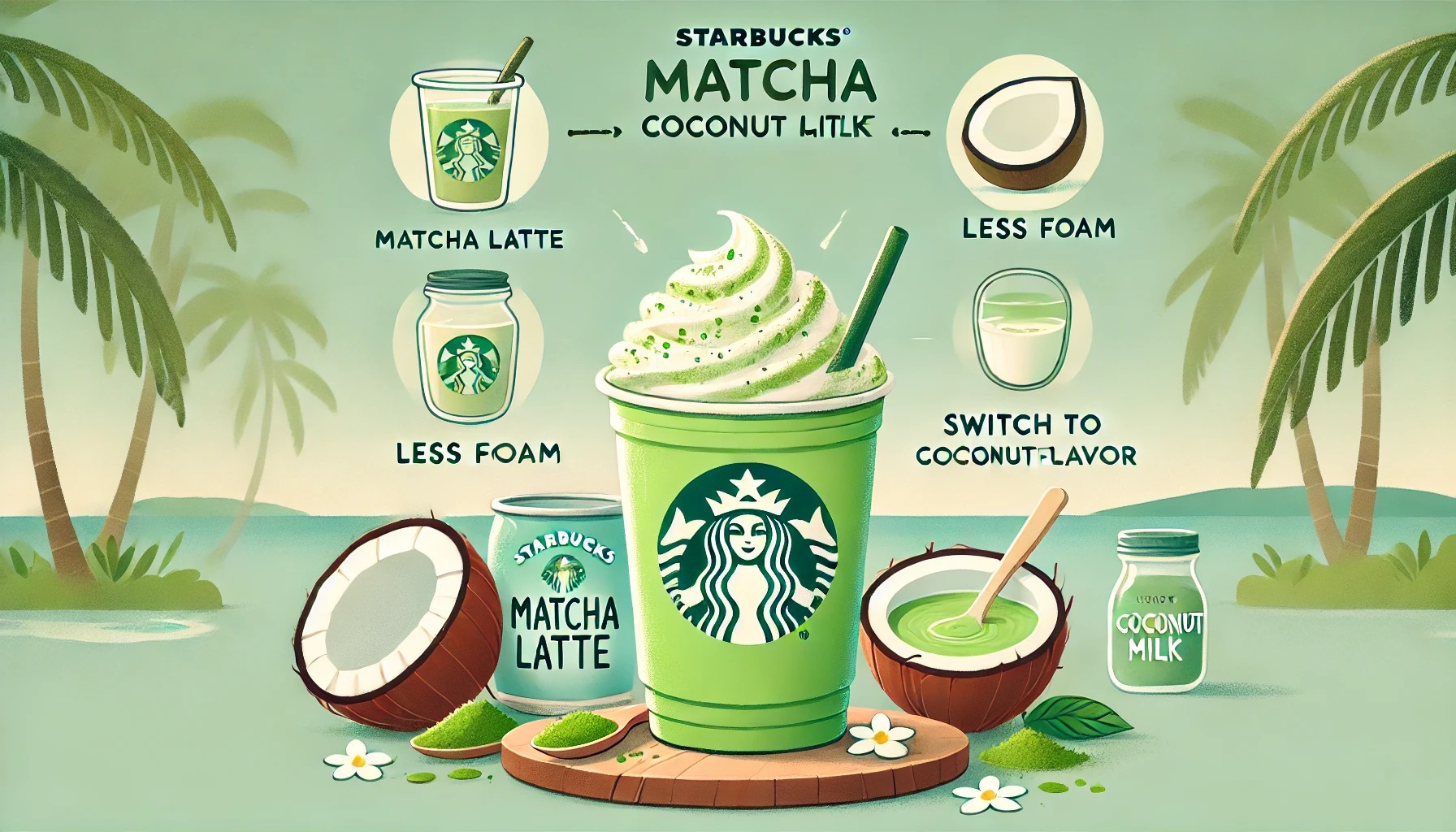
If you're a fan of the Starbucks Matcha Latte but find the foam excessive, there's a simple solution: switch to coconut milk. This plant-based alternative froths less than dairy, giving you more matcha with a smoother, richer flavor, enhancing the overall experience.
Switch to Non-Dairy Milk for a Creamier Starbucks Matcha Latte with Less Foam and More Flavor
The Starbucks Matcha Latte is a popular choice for fans of the traditional Japanese beverage, combining the unique matcha tea powder with steamed milk to create a fragrant and subtly sweet drink. While it's a favorite for many, some have noticed that the foam on top can sometimes be excessive, leaving less liquid in the cup once it settles. Fortunately, an easy solution to get more matcha in your cup is to switch the regular dairy milk to a non-dairy alternative like almond, soy, or coconut milk, which froths less than dairy milk.
In Japan, frothed matcha is a tradition. It's whisked with a bamboo tool called a chain to create a delicate, creamy foam. This is due to saponin, a compound found in matcha known for its foaming properties. The foam created can be dense and long-lasting when combined with milk's high protein and fat content. Plant-based milk, such as almond or coconut milk, has less protein and fat, which results in less foam and gives you more of the matcha drink itself.
Switching to coconut milk, in particular, reduces the foam and enhances the flavor profile. Coconut milk has an earthy, nutty taste that complements the vegetal notes of matcha, adding creaminess without overpowering the delicate flavors. Its smooth consistency makes it an excellent substitute for traditional creamers or milk, providing richness without excess foam.
Request Less Foam for a Smoother Starbucks Matcha Latte or Try Creative Matcha Recipes at Home
For those who prefer less foam on their Starbucks Matcha Latte, mentioning this preference to the barista is helpful when placing the order. By requesting less foam, they can add more milk or pour off the extra foam before serving, though keep in mind that more milk can slightly dilute the matcha flavor. For a home version, using a milk frother or heating plant-based milk on the stove allows you to control the amount of foam added to your drink.
Additionally, matcha powder can be versatile beyond lattes—think cookies, waffles, or even churros for a creative twist on this beloved tea.







