


 WuXi AppTec Stock Surges on Strong Q1 Earnings and CRDMO Demand Growth
  Microsoft Azure Growth Forecast Beats Expectations Amid Rising AI Competition
  Amazon Stock Dips Despite Record Earnings as AI Infrastructure Spending Surges
  AstraZeneca Q1 2026 Earnings Surge on Strong Oncology and Rare Disease Drug Sales
  Alphabet Earnings Surge on AI Growth, Cloud Revenue, and Strong Search Performance
  Google Secures Pentagon AI Deal for Classified Projects
  Why Paycom Was Named a 2026 Platinum Employer on the Where You Work Matters List
  Seagate Stock Surges After Strong Q3 Earnings Beat and Bullish Outlook
  Spirit Airlines Gains Key Creditor Support for $500M Bailout Deal
  Air Liquide Q1 Revenue Misses Estimates Amid Currency and Energy Headwinds
  Robinhood Q1 Earnings Miss Expectations, Stock Drops After Hours
  China’s Ultra-Cheap EV Boom: Why Electric Cars Cost Far Less Than in the U.S.
  Ford Q1 Earnings Beat Expectations, Stock Surges on Strong Guidance
  Advantest Stock Falls on Weak Outlook Despite Strong AI-Driven Results
  Micro Systemation Reports Q1 Loss Amid Strategic Investments and Revenue Growth
  Meta Raises 2026 Capex Outlook Amid AI Spending Surge, Shares Drop After Earnings


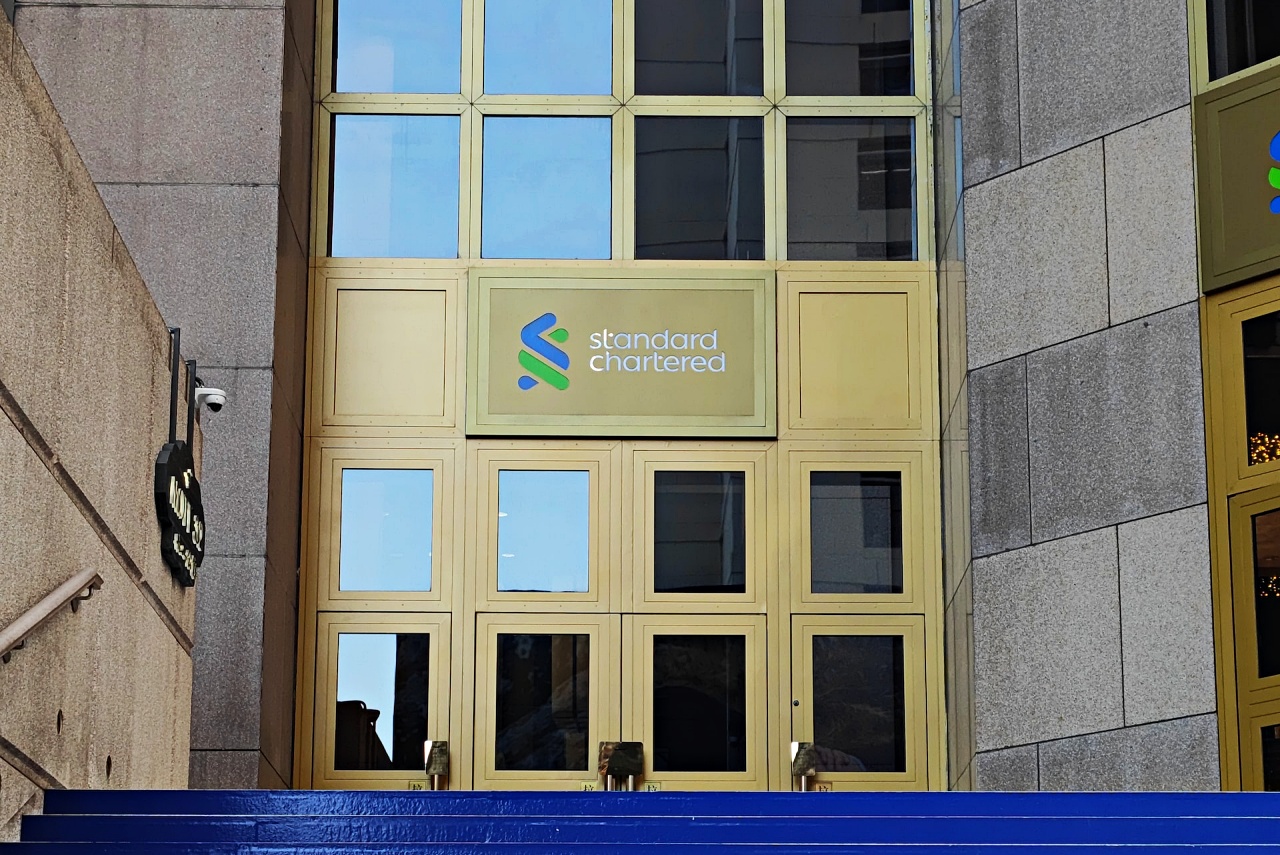
Standard Chartered (LON: STAN) reported a record-breaking first-quarter performance, driven by strong momentum in its wealth management and investment banking divisions, despite setting aside higher provisions linked to geopolitical uncertainty. The bank’s results highlight its strategic shift toward fee-based income streams and resilient client activity across key markets.
For the three months ending March, Standard Chartered posted operating income of $5.9 billion, representing a 9% year-on-year increase on a constant currency basis. Profit before tax climbed 17% to $2.45 billion, while net profit attributable to shareholders rose 19% to $1.9 billion, underscoring solid earnings growth.
The standout performer was the bank’s Wealth Solutions unit, where income surged 32% due to increased demand for investment products and bancassurance services. Meanwhile, Global Banking delivered a 19% rise in income, supported by stronger deal origination and heightened capital markets activity. These gains reflect the bank’s focus on expanding higher-margin businesses.
Net interest income saw modest growth of 1% to $2.9 billion, while non-interest income jumped 16%, signaling a continued transition toward diversified revenue sources. However, credit impairment charges increased to $296 million, up $79 million from the previous year, largely due to precautionary provisions related to tensions in the Middle East.
CEO Bill Winters emphasized that Standard Chartered’s “advantaged market presence” and disciplined risk management have enabled the bank to navigate global economic uncertainty effectively. The bank’s return on tangible equity improved to 17.4%, up from 14.8% a year earlier, while its CET1 capital ratio remained solid at 13.4%.
Looking ahead, Standard Chartered maintained its 2026 outlook, expecting operating income growth at the lower end of its 5% to 7% target range. Net interest income is projected to remain broadly stable, while costs are expected to stay controlled as the bank completes its “Fit for Growth” program. The lender continues to target a return on tangible equity above 12%, reinforcing confidence in its long-term growth strategy.







