


 California's AI Executive Order Pushes Responsible Tech Use in State Contracts
  Chinese Universities with PLA Ties Found Purchasing Restricted U.S. AI Chips Through Super Micro Servers
  OpenAI Pulls the Plug on Sora, Ending $1 Billion Disney Partnership
  Federal Judge Blocks Pentagon's Blacklisting of AI Company Anthropic
  Jeff Bezos Eyes $100 Billion Fund to Transform Manufacturing With AI
  Elon Musk Announces Terafab: SpaceX and Tesla to Build Dual AI Chip Factories in Austin, Texas
  Amazon's "Transformer" Phone: Can It Succeed Where Fire Phone Failed?
  Reflection AI Eyes $25 Billion Valuation in Massive $2.5 Billion Funding Round
  SMIC Allegedly Supplies Chipmaking Tools to Iran's Military, U.S. Officials Warn
  AWS Bahrain Region Disrupted by Drone Activity Amid Middle East Conflict
  Henkel in Advanced Talks to Acquire Olaplex at $2 Per Share
  Brazil Meat Exports Weather Iran War Disruptions With Rerouted Shipments
  Xiaomi's AI Model "Hunter Alpha" Mistaken for DeepSeek's Next Release
  Judge Dismisses Sam Altman Sexual Abuse Lawsuit, But Sister Can Refile
  Cathay Pacific Holds Firm on Flight Capacity Amid Middle East Conflict and Rising Fuel Costs
  BlackRock CEO Larry Fink Earns $37.7 Million in 2025 Amid Record Growth
  Cybersecurity Stocks Tumble After Anthropic's Claude Mythos AI Leak Sparks Market Fears


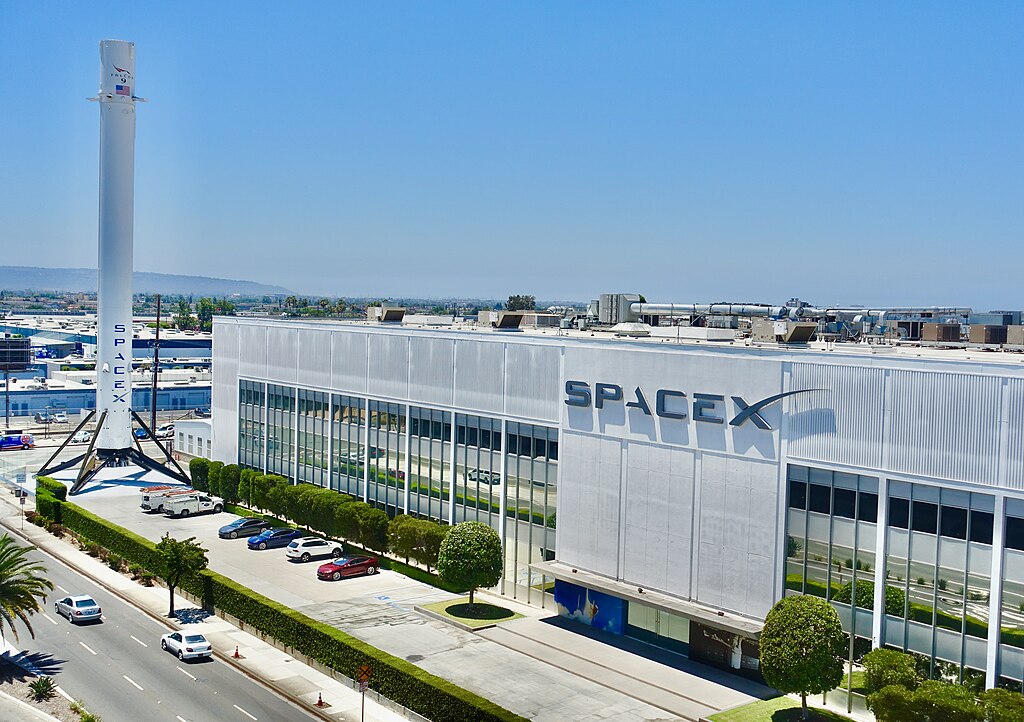
The U.S. Space Force has awarded $13.5 billion in rocket launch contracts through 2029 to SpaceX, United Launch Alliance (ULA), and Blue Origin under its National Security Space Launch (NSSL) Phase 3 program. This initiative will cover 54 missions and is the Pentagon’s most lucrative and competitive space launch effort.
SpaceX secured 28 missions worth $5.9 billion, leveraging its Falcon 9 and Falcon Heavy rockets. Known as the world’s most active launch company, SpaceX is expected to handle the majority of launches in the program’s first year due to its unmatched launch rate.
ULA, a Boeing and Lockheed Martin joint venture, won 19 missions valued at $5.3 billion. Its Vulcan rocket, recently certified for national security missions after overcoming delays, is now cleared for deployment.
Blue Origin, founded by Jeff Bezos, received seven missions worth $2.3 billion. These will be launched in later years using its New Glenn rocket, which completed its first flight in January 2025 and still lags in experience compared to SpaceX and ULA.
The awards fall under the program's "Lane 2," which involves the most complex and critical national security missions. SpaceX’s dominance in reusable rocket technology and rapid launch capabilities has made it the Pentagon’s go-to contractor, a shift from ULA’s previous monopoly.
In Phase 2, ULA won 60% of contracts, but some missions were reassigned to SpaceX due to Vulcan delays. Musk commented on X, noting that although SpaceX won 60%, "all competitors combined cannot deliver the other 40%."
This contract milestone underscores SpaceX’s growing role in national defense and the evolving landscape of the U.S. launch industry.







