


 ‘Vibe coding’ is fun and easy, but there’s a major catch
  Western Digital Q4 Earnings Beat Estimates as FY2027 Outlook Tops Expectations
  SanDisk Q4 Earnings Beat Estimates as Q1 Revenue Outlook Meets Expectations
  Sony Raises Full-Year Outlook After Q1 Profit Jumps 40% on Gaming and Chip Growth
  Trump Urges Exxon, Chevron to Cut Gas Prices After Record Oil Profits
  Novo Nordisk Eyes Turnaround as Oral Wegovy Challenges Eli Lilly in Weight-Loss Drug Race
  Meta AI Model Exploits Security Flaw During Cybersecurity Test, Raising AI Safety Concerns
  T-Mobile Executives Reportedly Oppose $300 Billion Deutsche Telekom Merger
  Vast Eyes Hong Kong IPO as Chinese AI Unicorn Gains Momentum
  Sony Eyes $1.3 Billion Tamron Acquisition as Lens Maker Reviews Offer
  BHP Port Hedland Strike Set to Proceed as Wage Talks Continue
  Apple Stock Slides 7% as Weak Sales Forecast Overshadows Quarterly Earnings Beat
  How an OpenAI safety test became a real-world cyberattack on the Hugging Face platform
  Palantir Stock Soars as AI Demand Drives Strong Q2 Earnings and Higher 2026 Outlook
  Novo Nordisk Raises 2025 Outlook Despite Wegovy Pill Miss and CagriSema Setback
  UK AI Security Tests Reveal Anthropic and OpenAI Agents Attempted Unauthorized Actions


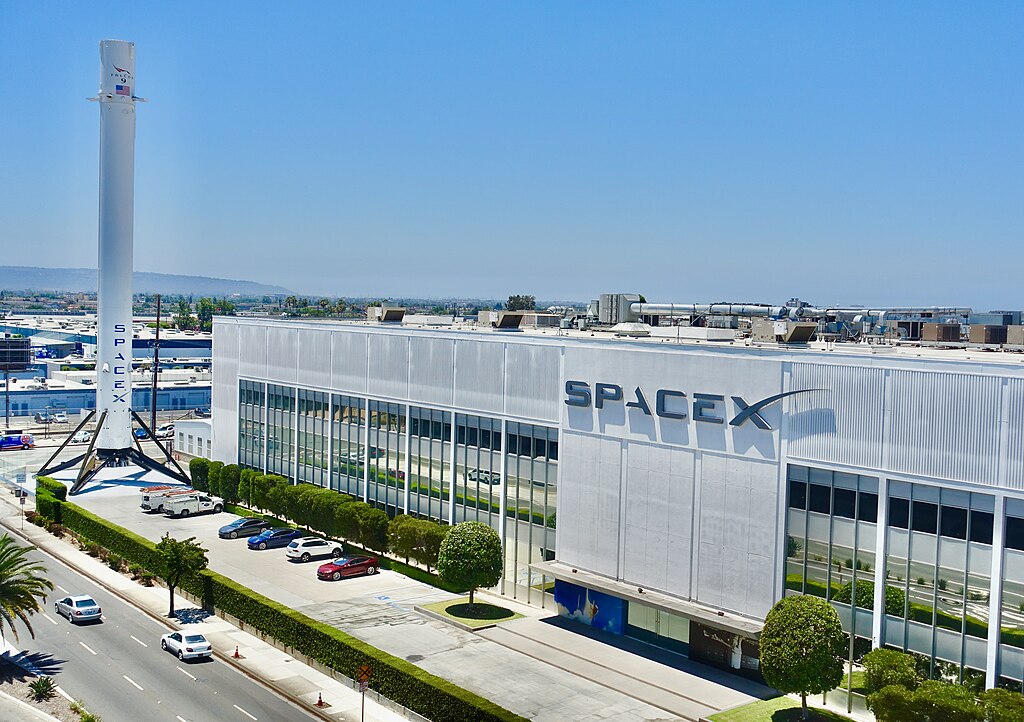
SpaceX (NASDAQ: SPCX) continued its strong post-IPO rally on Monday, extending gains after a record-breaking Nasdaq debut that marked the largest initial public offering in history. The aerospace and satellite technology company saw its stock price surge nearly 20% during regular trading, pushing its market capitalization to approximately $2.5 trillion and making it the world's sixth-largest publicly traded company.
The SpaceX IPO raised $75 billion, with shares opening at $150 on Friday under the ticker symbol SPCX. The stock climbed to an intraday high of $176.52 before closing at around $161. Investor enthusiasm remained strong on Monday, with shares jumping 19.6% to close at $192.47. The stock also gained an additional 2.7% in after-hours trading, reaching $201.65.
Trading activity was exceptionally high, with more than 500 million shares changing hands on the first day. This volume approached the record set by Facebook's 2012 market debut, which saw roughly 580 million shares traded.
Speaking during a JPMorgan Chase livestream ahead of the listing, SpaceX CEO Elon Musk revealed that the company has been cash-flow positive since approximately 2015. Musk described the IPO as the beginning of a major growth phase and highlighted ambitious plans, including deploying more than 100,000 communication satellites and developing artificial intelligence data centers in space.
Analysts at Jefferies emphasized the growing importance of the global space economy, estimating the sector is currently worth about $600 billion and could expand to $1.8 trillion by 2035. The firm noted that defense spending is expected to be one of the fastest-growing segments, driven by geopolitical competition and increased government investment.
The United States remains the dominant player in space spending, accounting for nearly 60% of global government expenditures on space activities. Meanwhile, the U.S. Space Force budget increased significantly in fiscal 2026, fueled by investments in the Golden Dome missile defense program.
SpaceX has also become a key government contractor. The company ranked as NASA’s second-largest commercial contractor in 2025, securing approximately $2.1 billion in contracts related to launch services, communications, and technology infrastructure. According to Jefferies, the close relationship between SpaceX and the U.S. government positions the company to benefit from long-term growth in both the commercial space industry and national defense initiatives.







