


 Alphabet Stock Slides as Google AI Pioneer Jeff Dean Exits to Launch Discovery Loop
  SK Hynix Bonus Dispute Deepens as Union Rejects Stock-Based Payout Proposal
  Western Digital Q4 Earnings Beat Estimates as FY2027 Outlook Tops Expectations
  Glencore Posts Strong H1 2026 Earnings, Announces ASX Secondary Listing
  Meta Cuts Wipro Outsourcing by 25% After AI-Led Restructuring
  Toyota Raises FY2027 Outlook, Announces ¥1 Trillion Buyback Despite Q1 Profit Dip
  Novo Nordisk Eyes Turnaround as Oral Wegovy Challenges Eli Lilly in Weight-Loss Drug Race
  SpaceX Wins $1.6 Billion U.S. Space Force Launch Contracts for Falcon 9 Missions Through 2027
  HSBC H1 Profit Jumps 23%, Announces $1 Billion Share Buyback and Reaffirms 2028 Targets
  Anthropic Reveals Claude AI Accessed Real Production Systems During Cybersecurity Tests
  SpaceX Targets Starship Flight 14 With First V3 Starlink Satellite Launch
  Siemens Energy Q3 Profit Beats Forecast as AI-Driven Power Demand Fuels Growth
  FleetPartners Shares Jump After A$760 Million Takeover Proposal From Pacific Equity Partners
  T-Mobile Executives Reportedly Oppose $300 Billion Deutsche Telekom Merger


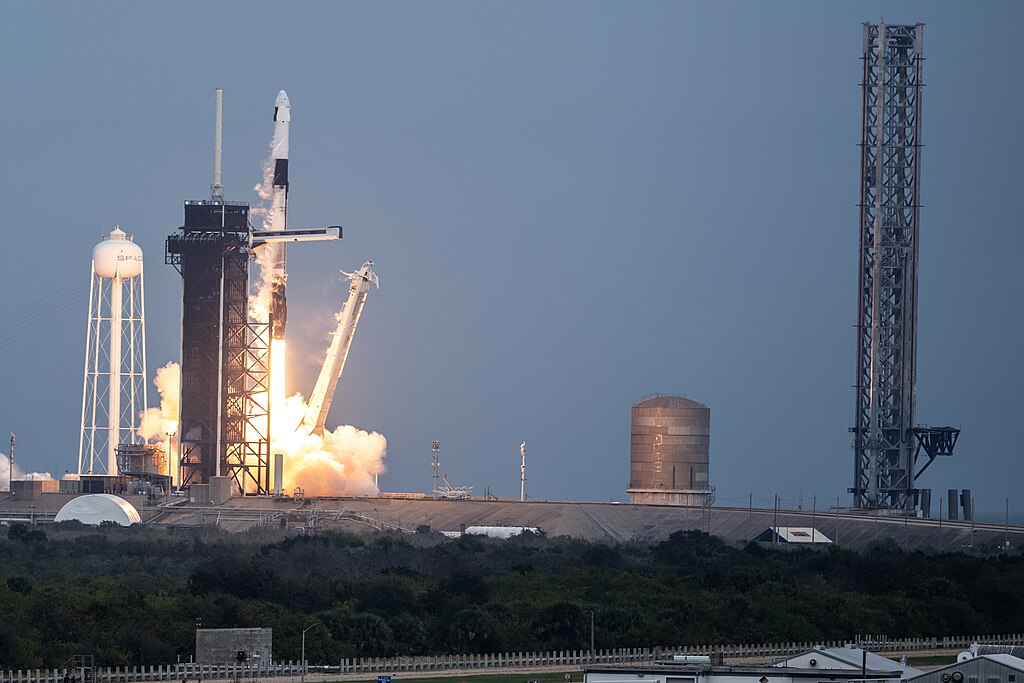
SpaceX is poised for one of the most historic stock market debuts ever, with shares expected to open nearly 30% above their initial public offering (IPO) price. According to preliminary Nasdaq data, SpaceX stock (NASDAQ: SPCX) could begin trading around $175 per share, giving Elon Musk’s aerospace company a market valuation of approximately $2.29 trillion.
The company priced its IPO at $135 per share, selling 555.56 million shares and raising roughly $75 billion. The offering valued SpaceX at $1.77 trillion before trading began, making it one of the largest public listings in history. Investors are closely monitoring the stock’s opening performance as buy and sell orders continue to shape the indicated price.
The SpaceX IPO has already surpassed many of the world’s largest corporations in market value, including JPMorgan Chase, Berkshire Hathaway, Meta Platforms, Eli Lilly, and Tesla. Despite reporting a net loss in 2025, investor enthusiasm remains strong due to the company’s dominant position in the commercial space industry and the rapid growth of its Starlink satellite internet business.
Founded in 2002, SpaceX has become the leading provider of orbital launches, accounting for more than 80% of global launch mass over the last three years. Its Starlink network serves customers in 164 countries and territories and currently generates the majority of the company’s revenue.
Demand for the IPO has been extraordinary. Bloomberg reported retail investor orders exceeding $100 billion, while institutional investors also showed strong interest. BlackRock alone reportedly submitted a $5 billion order.
Analysts remain divided on SpaceX’s valuation. Bullish investors highlight the company’s vertically integrated business model, Starlink’s market leadership, and its merger with xAI, which could position SpaceX as a major player in artificial intelligence infrastructure. Oppenheimer initiated coverage with an “Outperform” rating and a $190 price target, while New Street Research set a $165 target.
However, critics argue the stock is significantly overvalued. Morningstar estimates fair value at $63 per share, while valuation expert Aswath Damodaran places the company’s worth well below the IPO valuation. Skeptics also point to SpaceX’s 2025 net loss of $4.94 billion and its lofty valuation of roughly 90 times sales.
Governance concerns have added to the debate, as Elon Musk controls an estimated 80% to 85% of voting power, limiting shareholder influence. Investors are also watching whether major index providers will eventually include SpaceX in benchmark indices, a move that could drive additional institutional demand.
As SpaceX begins trading, the company’s market debut is expected to become a defining moment for both the IPO market and the broader space industry, testing investor appetite for high-growth, founder-led companies with ambitious long-term visions.







