


 Reflection AI Eyes $25 Billion Valuation in Massive $2.5 Billion Funding Round
  SK Hynix Eyes Up to $14 Billion U.S. IPO to Fund AI Chip Expansion
  Deere & Company Agrees to $99 Million Settlement Over Right-to-Repair Dispute
  Samsung Electronics Eyes Record Q1 Profit Amid AI-Driven Chip Boom
  SpaceX Eyes Historic IPO at $1.75 Trillion Valuation
  UPS and Teamsters Reach Agreement to Limit Driver Severance Program
  Elon Musk Ties SpaceX IPO Access to Mandatory Grok AI Subscriptions
  Norma Group Posts Revenue Decline in 2025, Eyes Modest Recovery in 2026
  NASA Artemis II: First Crewed Moon Mission Since Apollo Takes Four Astronauts on 10-Day Lunar Journey
  MATCH Act Targets ASML and Chinese Chipmakers in New U.S. Export Crackdown
  Apple's Foldable iPhone Faces Engineering Setbacks, Mass Production Timeline at Risk
  LG Electronics Posts Record Q1 Revenue Amid Strong Demand and Cost Improvements
  Rubio Directs U.S. Diplomats to Use X and Military Psyops to Counter Foreign Propaganda
  Trump Administration Plans 100% Tariffs on Pharmaceutical Imports
  Nike Beats Q3 Estimates but China Weakness and Margin Pressure Weigh on Outlook
  Makemation: a Nollywood movie that shows AI in action in Africa


The Korea Advanced Institute of Science and Technology (KAIST) has revealed Pibot, the world's first humanoid pilot robot capable of flying an aircraft independently. This groundbreaking development, led by Professor Shim Hyun Chul, signals a shift in autonomous technology, demonstrating the robot's ability to assess and react to real-time flight situations without pre-programmed commands.
Professor Shim Hyun Chul leads the group of scientists, and they recently demonstrated how the machine, which they named Pibot, operates. The team exhibited how the robot can fly an airplane independently through a cockpit simulator.
The researchers from KAIST did not adjust the simulator to accommodate what the robot can do because Pibot is already designed to operate an aircraft like a real human pilot who uses its limbs to run the machine.
Moreover, unlike regular robots that have been pre-programmed or instilled with repetitive commands for fixed tasks so they can function, Pibot works depending on the current situation. It is very different, and what sets it apart from the others is that it can assess the circumstances in and outside of the aircraft so it can act accordingly.
The robot can check out the situation in the cockpit through its many cameras. The lead researcher also told UPI News Korea that this is the key feature of Pibot - it does not have an automated system like autopilot, but it will act on the sport based on its present state.
"This is the world's first humanoid pilot and in some ways, it is more capable than human pilots because it can remember all the air routes like the Jeppesen Chart," Shim stated. "We had Pibot drive a car at a low speed and it did fine, and I also think it can be used to drive tanks and other armored vehicles without the vehicles' configurations having to be changed, inside or outside, to suit the robot."
Finally, Korea Bizwire further mentioned that Pibot can respond to emergencies, and it is even faster than human pilots. The robot understands what is happening in the aircraft, allowing it to manage the cockpit switches accurately.
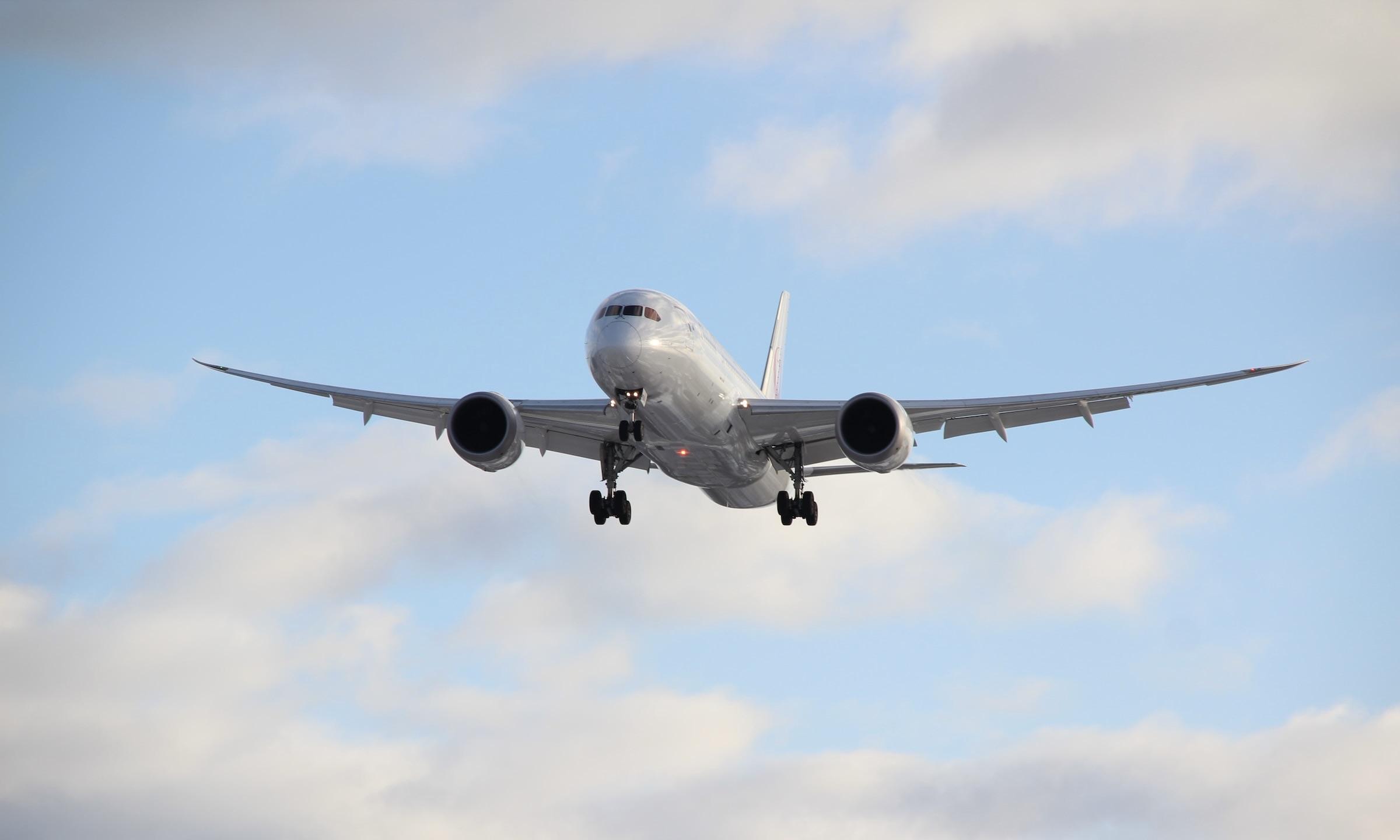
Photo by: Artturi Jalli/Unsplash







