


 Franklin Templeton Partners With Bybit for Tokenized Fund Collateral
  Lindt Slashes 2026 Sales Growth Forecast as European Demand Weakens
  BitMine Ethereum Holdings Top 6 Million ETH After $46 Million Purchase
  Toyota Global Sales Fall for Seventh Month as China Demand Slumps
  QNT Whales Move $10M to Exchanges After 400% Rally
  Grayscale Sees Zcash Gaining Market Share Against Bitcoin
  Australia Budget Deficit Narrows to A$22.3 Billion on Stronger Tax Revenue
  China Cuts Tariffs on U.S. Farm Goods but Excludes Soybeans
  Aztec Revives zk.money for Private Ethereum Payments
  Chainlink Launches CCIP 2.0 With Enhanced Cross-Chain Security
  Morgan Stanley Launches Digital Asset Lab for Stablecoins and Tokenization
  Cboe Extends SPX Options Deal, Eyes Tokenized Contracts
  RBA Hikes Interest Rate to 4.60% as Inflation Risks Rise
  Stellar Hits Record 217 TPS as Institutional RWA Activity Surges
  U.S. Stock Futures Steady as AI, Rate Concerns Weigh
  OpenAI Scraps GPT-6.1 Astra Launch Over Safety Concerns
  CSL Partners With AWS to Bring AI Into Drug Research


 Add as a preferred source on Google
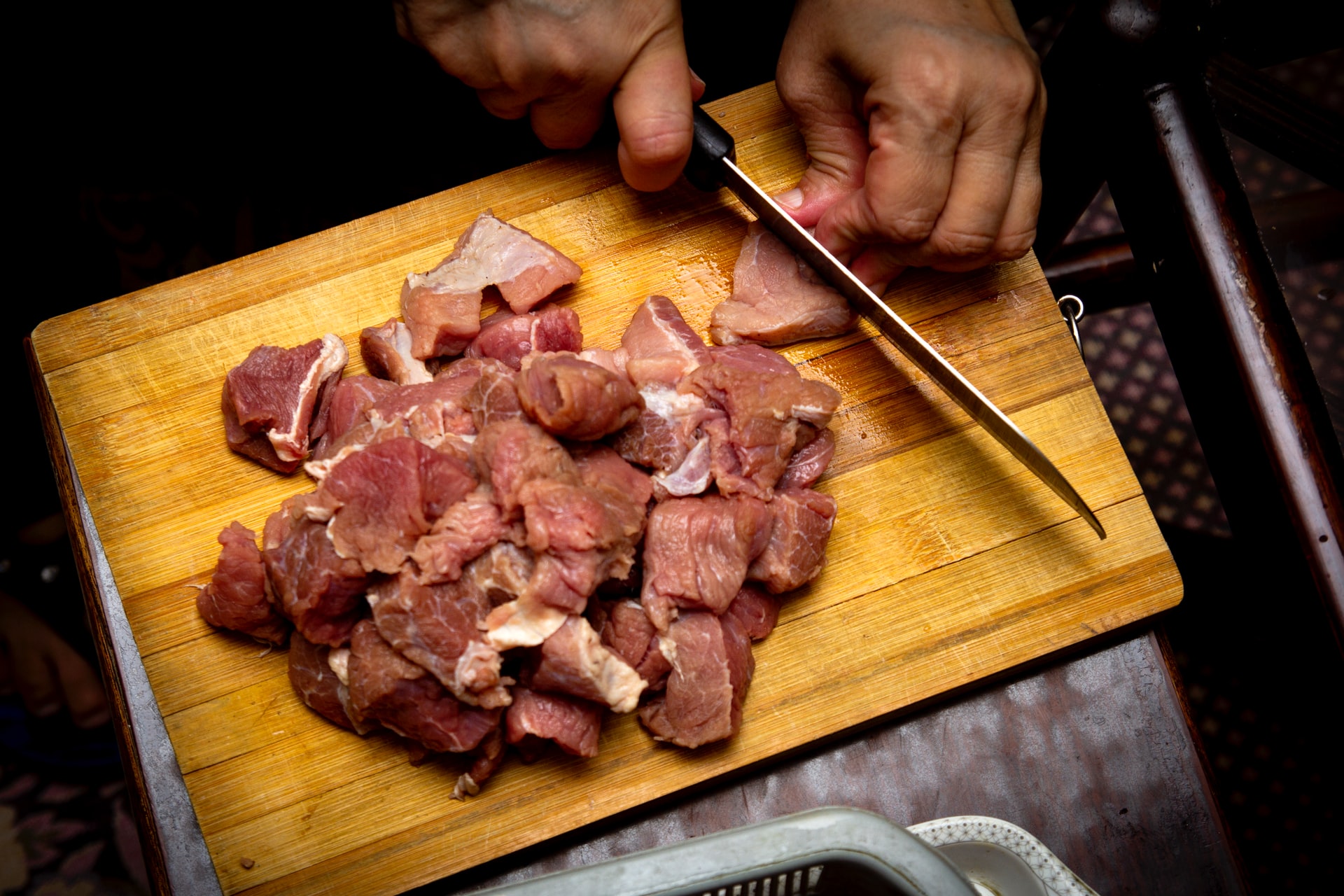
South Korea is removing tariffs on some daily necessities, including chicken, beef, coffee beans, green onions, and powdered milk. The Korean government is slashing the duties on the said items in an effort to help ease the inflation that is currently gripping the country.
It was reported that S. Korea is planning to tariff cuts as it fights to keep inflation in check. Based on the records of Statistics Korea, the country's inflation rate reached six percent last month, and this is the highest number in over two decades.
As per Korea Joongang Daily, with this inflation running at six percent, its official currency is dropping as well as its stocks. Korean President Yoon Suk Yeol said he would call an emergency meeting every week to address the needs of households with low income as they are the most vulnerable in this time when consumer prices are going up non-stop.
"Since our administration started, four times we have introduced measures to help the public with rising consumer prices," President Yoon said last week during the first emergency economic meeting. "We have been trying to stabilize the prices of major essential goods."
Despite the government's efforts, he said the situation will remain difficult. The Korean president went on to say that "Low-income and vulnerable households are hit the hardest and the government is completely committed to stabilizing the situation."
As a first step, since June 22, the government removed the tax on 50,000 tons of imported pork, and more commodities are being added to the list. In fact, starting July 20 until the last quarter of this year, tariffs will be removed on around 100,000 tons of imported beef.
It was mentioned that normally, the tax on imported beef is 40%, but because of the free trade agreements, South Korea's rate for beef from the U.S. is 10.6%, while it is 16% for Australian beef. Last year, the country received 250,000 tons of beef imports from the U.S. while it was 179,000 tons from Australia. There were also imports from New Zealand (20,000 tons) and Canada (10,000 tons).
With the tax cuts, S. Korea expects the local retail prices of beef to go down by about five and eight percent. The government will also slash tariffs on 82,500 tons of imported chicken. Prior to this cut, chicken has 20% and 30% tariffs, and most of them were imported from Thailand and Brazil.
Meanwhile, Pulse News reported that the mentioned commodities, including coffee beans, milk powder, green onion and ethanol raw materials, will be exempted from tariff but for a specific period only. This means these tax exemptions are only temporary under a tariff quota system.







