


 Huawei, Qualcomm Sign Multi-Year AI and 5G Patent Deal
  JPMorgan CEO Jamie Dimon Warns Mythos AI Raises Cyber Risk Tenfold
  Nomura Asset Management Targets Global Investors as Japan Markets Gain Appeal
  Florida Seeks Tougher Meta Rules to Protect Young Users
  Anthropic Expands Claude Access for Cyber Defense Teams
  HSBC Plans Deep UK Wealth Job Cuts in AI Push
  SoftBank Shares Fall After $10 Billion OpenAI Investment
  Amazon Eyes $8 Billion Nvidia Chip Spinoff to Fund AI Expansion
  Zcash NU7 Testnet Cuts Block Time to 25 Seconds
  WordPress Malware Uses Ethereum to Evade Removal
  Europol Warns Bitcoin Wallets Face Quantum Computing Risk
  Circle Stock Falls 4% as Crypto Selloff Overshadows SAP Pay Expansion
  California AG Subpoenas OpenAI Over AI Cybersecurity Incidents
  Constellation Brands Beats Q2 Estimates, Buys SpikedAde
  Intel Reaffirms Role in Elon Musk’s Terafab Chip Project


 Add as a preferred source on Google
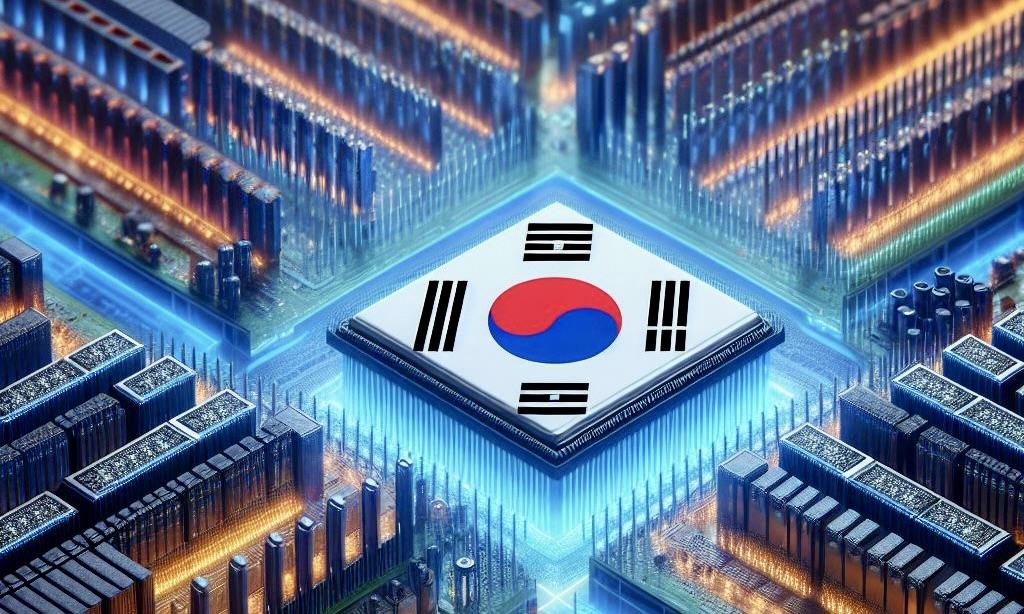
South Korea's government, under Finance Minister Choi Sang-mok, announced a robust $7 billion support package aimed at propelling the country to the forefront of the global semiconductor industry.
Detailing the $7 Billion Support Package for Chip Industry
According to Reuters, South Korea's finance minister said on Sunday that the country is preparing a support package for chip investments and research worth more than 10 trillion won ($7.30 billion) after deciding to win a "war" in the semiconductor business.
Finance Minister Choi Sang-mok stated that the government would soon provide specifics of the package, which targets chip materials, equipment manufacturers, and fabless companies across the semiconductor supply chain.
According to a statement from the finance ministry, Choi told executives from local chip equipment companies at a conference that the program may involve policy loans and the establishment of a new fund backed by state and private financial institutions.
South Korea's Strategic Development of Yongin Mega Chip Cluster
South Korea is also developing a mega chip cluster in Yongin, south of Seoul, which it claims is the world's largest high-tech facility. With promises of investment tax breaks, President Yoon Suk Yeol has pledged to use all available means to win the "war" in chips.
According to the Semiconductor Industry Association (via Sammy Fans), the industry predicts a significant global semiconductor manufacturing landscape shift. By 2032, South Korea's semiconductor manufacturing is expected to outpace Taiwan's, positioning the country as the second-largest manufacturer globally.
Global Market Forecast: South Korea's Chip Industry by 2032
By 2032, South Korea's semiconductor output is expected to rise by 129%, according to the analysis. This is the second-highest growth rate behind the US (203%), while it is anticipated that China (86%), Japan (86%), Taiwan (97%), and Europe (124%), will all lag behind South Korea.
In 2032, South Korea's semiconductor output is anticipated to represent 19% of the worldwide semiconductor market. This is after China, which had 21%, but ahead of Taiwan, which had 17%, and the US, which had 14%. It increased by 2% from its 2022 share of 17%.
Photo: Microsoft Bing







