


 Microsoft's $10 Billion Japan Investment: AI Infrastructure and Data Sovereignty Push
  Chinese Universities with PLA Ties Found Purchasing Restricted U.S. AI Chips Through Super Micro Servers
  NASA's Artemis II Crew Arrives in Florida for Historic Moon Mission
  MATCH Act Targets ASML and Chinese Chipmakers in New U.S. Export Crackdown
  Federal Judge Blocks Pentagon's Blacklisting of AI Company Anthropic
  Reflection AI Eyes $25 Billion Valuation in Massive $2.5 Billion Funding Round
  China's Push to Steal Taiwan's Chip Technology and Talent Raises Security Alarms
  Rubio Directs U.S. Diplomats to Use X and Military Psyops to Counter Foreign Propaganda
  California's AI Executive Order Pushes Responsible Tech Use in State Contracts
  TSMC Japan's Second Fab to Produce 3nm Chips by 2028
  SMIC Allegedly Supplies Chipmaking Tools to Iran's Military, U.S. Officials Warn
  Meta and Google just lost a landmark social media addiction case. A tech law expert explains the fallout
  Makemation: a Nollywood movie that shows AI in action in Africa
  OpenAI Executive Shake-Up Ahead of Anticipated 2026 IPO
  SK Hynix Eyes Up to $14 Billion U.S. IPO to Fund AI Chip Expansion
  Elon Musk Ties SpaceX IPO Access to Mandatory Grok AI Subscriptions


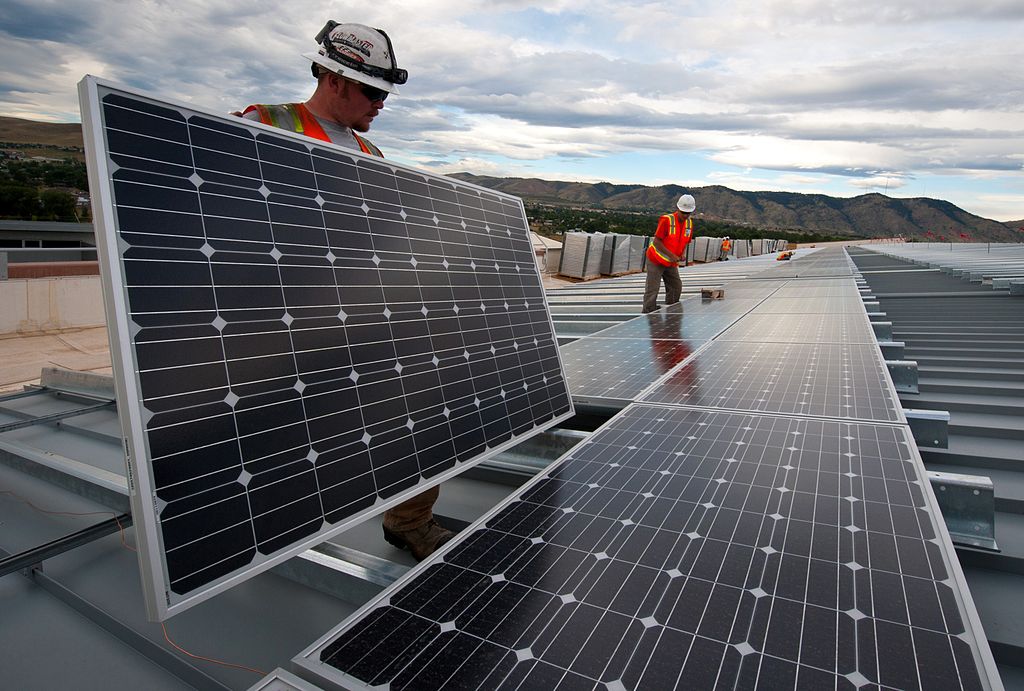
As if proponents of solar power didn’t have enough reason to celebrate, what with the impending demise of the fossil fuel industry and the resource being the cheapest form of power in the world, new data indicates that it also has significant employment advantages. According to a report that was recently released by the U.S. Department of Energy, solar power has more people on the payroll than all of the different fossil fuel fields combined.
The fossil fuel industry is made up of several markets, namely coal, oil, and gas, Futurism notes. Based on the data provided by the DOE, it would seem that these giant markets pale in comparison when pitted against solar power in terms of the number of people employed in generating the country’s electricity.
From 2015 to 2016, the solar industry employed 374,000 workers. Consequently, the fossil fuel industry only employed about 187,117. This means that 43 percent of the workforce in the energy generation sector is made up of people working for companies involved with solar power, while fossil fuel stood at only 22 percent.
“Proportionally, solar employment accounts for the largest share of workers in the Electric Power Generation sector,” the report reads. “This is largely due to the construction related to the significant build out of new solar generation capacity.”
More than that, there’s also the added benefit of a huge chunk of the jobs being safe from outsourcing. As Forbes reports, many who are employed in the solar industry have installation jobs. These are basically the technicians who set up solar panels on rooftops of private residences.
Since these jobs are done on-site, they can’t be given to workers in other countries. In addition, the report also notes how these jobs earn workers $5,000 more than the national median income. Basically, the solar industry pays more than most jobs.







