Tech enthusiasts across Southeast Asia have been experimenting with large language models like Meta's Llama 2 and Mistral AI, attempting to use them in their native languages, such as Bahasa Indonesia or Thai.
However, the outcomes have often been nonsensical when translated into English, leaving users disadvantaged.
As generative artificial intelligence increasingly influences education, work, and governance globally, tech experts warn of the need for solutions tailored to regional languages and cultural nuances.
Introducing SEA-LION: Bridging the Language Gap
To address this disparity, a government-led initiative in Singapore has launched the development of a Southeast Asian Language Model (SEA-LION).
As part of the SEA-LION project (Southeast Asian Languages in One Network), the model is trained on data from 11 Southeast Asian languages, including Vietnamese, Thai, and Bahasa Indonesia. Leslie Teo of AI Singapore emphasizes that SEA-LION, as an open-source model, presents a cost-effective and efficient option for the region's businesses, governments, and academia.
According to Business World Online, multilingual language models have the potential to revolutionize various applications, from translation services to content moderation on social media platforms. However, they often encounter challenges related to data quality and bias. With SEA-LION, AI Singapore is cautious about the data used for training to ensure accuracy and reliability, notes Teo.
Addressing Bias and Ensuring Representation
As nations and regions develop their language models, concerns arise regarding potential biases and the reproduction of dominant online views.
According to the South China Morning Post, in regions with authoritarian regimes or strict media censorship, there is a risk of amplifying certain narratives while suppressing others. However, reliance solely on Western language models also presents challenges, perpetuating biases inherent in cultural values and social norms.
Through initiatives like SEA-LION, stakeholders aim to mitigate bias and ensure the representation of diverse perspectives in the development of language models. By harnessing the power of AI technology while respecting linguistic and cultural diversity, SEA-LION represents a step towards a more inclusive digital future for Southeast Asia and beyond.
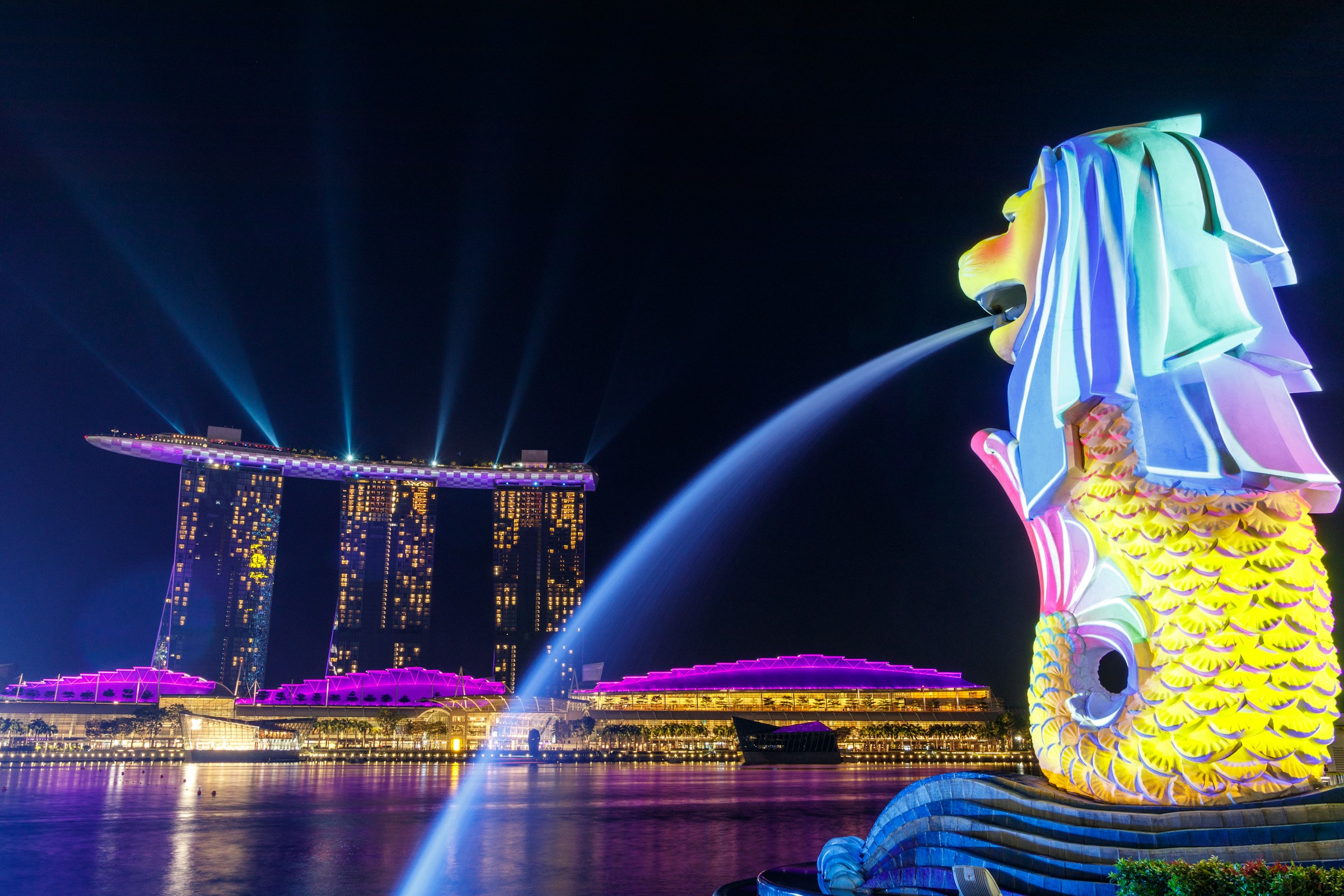
Photo: Joshua Ang/Unsplash