


 Trump Threatens ABC News Lawsuit Over Lincoln Memorial Reflecting Pool Coverage
  Japan Signals Surprise Yen Intervention Strategy as BOJ Hawkish Stance Puts FX Traders on Alert
  California Drivers Sue BP, Walmart, 7-Eleven Over Alleged AI Gas Price Fixing
  Oil Prices Steady as U.S.-Iran Peace Talks Ease Strait of Hormuz Supply Fears
  Bayer Wins Major U.S. Supreme Court Roundup Lawsuit, Shares Surge
  Supreme Court Backs Lisa Cook, Defends Federal Reserve Independence Against Trump Firing Attempt
  DOJ Orders Crackdown on Birth Tourism After Supreme Court Upholds Birthright Citizenship
  Switch Seeks $2 Billion Funding at Nearly $50 Billion Valuation Ahead of Potential IPO
  BHP Workers Approve New Labour Agreement at WA Iron Ore Operations
  Fortescue Faces Class Action Over Sexual Harassment Claims at Australian Mining Sites
  New Zealand Consumer Confidence Rises in June as Inflation Expectations Ease
  JPMorgan Cuts Gold Price Forecast, Sees Bullion Reaching $4,500 by End of 2026
  Brazil Supreme Court Convicts Eduardo Bolsonaro Over U.S. Lobbying Efforts
  US Resumes Dollar Shipments to Iraq After Months-Long Suspension
  Gold Price Today: Bullion Heads for First Weekly Gain as Weak U.S. Jobs Data Eases Rate Hike Fears
  Australia Sues Amazon Over Prime Video Ads and Subscription Terms
  Colombia Opens New Investigation Into Former President Álvaro Uribe Over Paramilitary Allegations


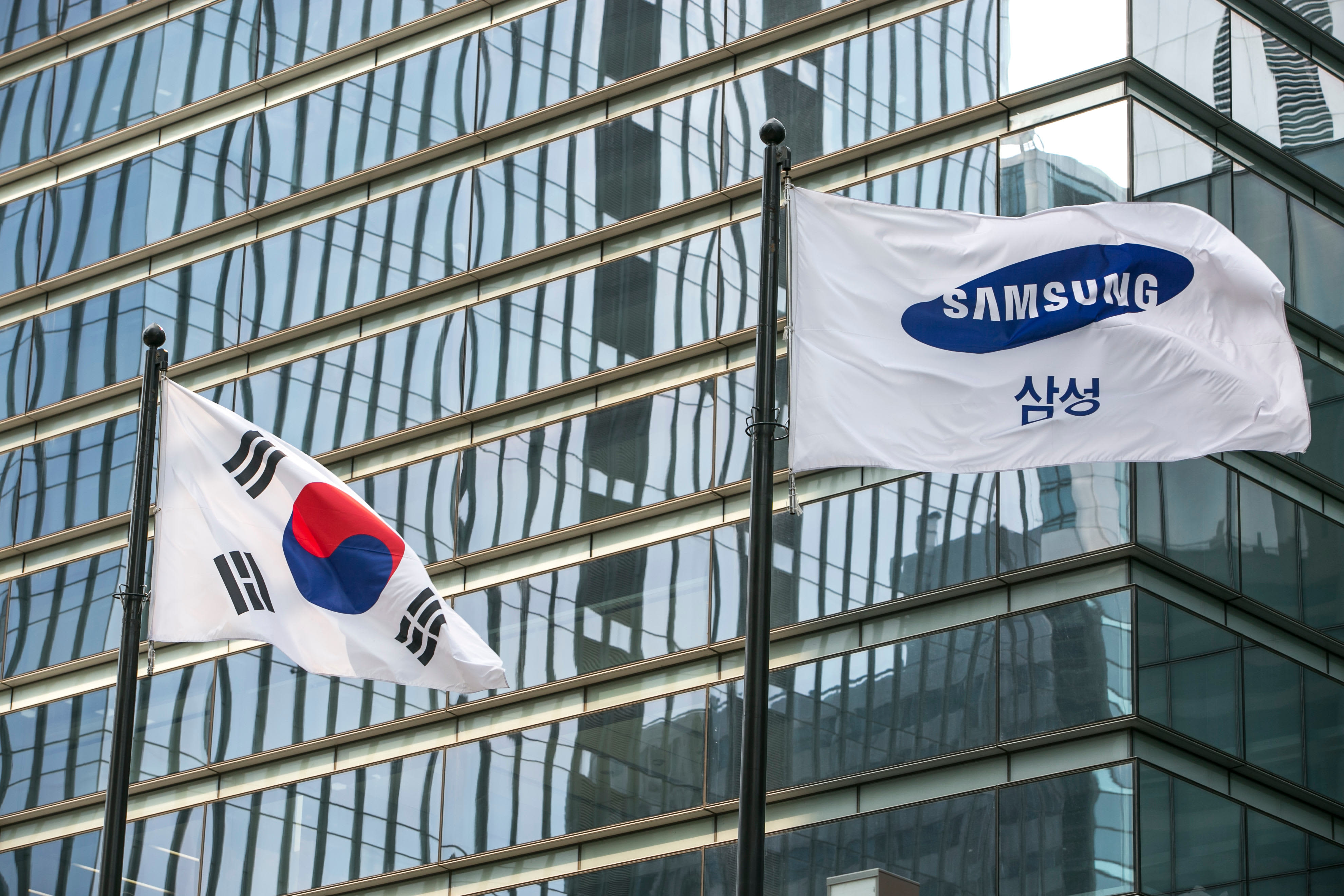
South Korea expressed concerns regarding the Biden administration's plan to apply the Defense Production Act (DPA) if their chipmakers operating in the US, Samsung Electronics and SK Hynix, fail to disclose classified supply chains information.
The US is on track to possibly invoke the DPA, a Cold War-era national security law that would force semiconductor firms to share sensitive information.
US Secretary of Commerce Gina Raimondo confirmed that the DPA would be applied if the companies failed to provide the requested information.
The two South Korean firms were asked 14 sensitive questions, including the names of clients, their planned production of both memory chip and foundry chip, inventory amounts, management planning, and target revenues.
According to South Korea's Minister of Trade Yeo Han-Koo, the scope of the US request is vast and included trade secret sharing, which were points of concern for South Korea.
South Korea's Trade, Industry, and Energy Minister Moon Sung-wook views the US request as "rare," and stressed that the ministry would actively intervene to protect the best interests of South Korean companies.
The information requested is directly linked to clients.
Samsung and Taiwan's TSMC have never opted to reveal their clients, though Samsung was said to have been supplying Tesla with automotive chips and LED headlights.
Samsung and SK reportedly felt that providing such specifics would give Intel and US chipmakers the upper hand and that the request was made because the US is backing Intel's moves to strengthen its foundry-related portfolio.
Additionally, since the South Korean chipmakers supply different types of chips based on a unique price matrix and specifications, sharing related data may result in weakening their bargaining power.
Amid the automotive chip shortage, semiconductors and batteries have become central to US national security interests.







