


 Australia Eases Capital Gains Tax Reforms to Support Small Businesses and Startups
  Trump Forced Labour Tariff Plan Faces Criticism as Experts Question Effectiveness
  U.S. Eases Iran Team Travel Restrictions Ahead of Seattle World Cup Match
  Cerebras Revenue Forecast Tops Expectations, but Margin Concerns Weigh on Stock
  Trump Highlights Manufacturing Agenda in Pennsylvania as Midterm Elections Approach
  Trump Administration Delays DeepSeek and CXMT Trade Blacklist Designations Amid U.S.-China Tensions
  John Jumper Leaves Google DeepMind for Anthropic Amid Intensifying AI Talent Race
  Trump Orders DOJ Investigation Into Exxon, Chevron Over High Gas Prices
  SK Hynix Moves Closer to New York ADR Listing Amid AI Chip Boom
  Andy Burnham Emerges as Favorite After Keir Starmer Resigns
  Marco Rubio Reassures Gulf Allies Over U.S.-Iran Peace Deal
  Baseten Secures $1.5 Billion Funding at $13 Billion Valuation Amid AI Infrastructure Boom
  Apollo Debt Solutions Limits Redemptions as Withdrawal Requests Surge
  SpaceX Stock Rebounds After Sharp Selloff, But Valuation Concerns Persist
  RFK Jr. Orders Extended Hantavirus Quarantine for Cruise Passenger
  US Sanctions M23 and FDLR Commanders Amid Ongoing Eastern Congo Conflict


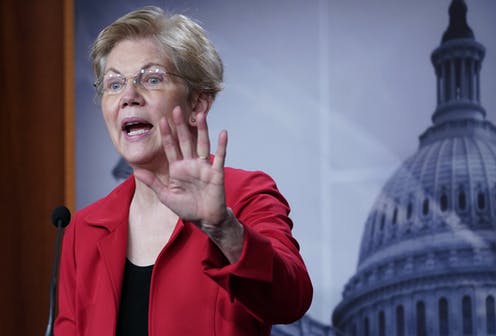
A bipartisan pair of U.S. senators is pushing new legislation aimed at ensuring fairness in how the Commerce Department issues export licenses, following concerns that past decisions created an uneven playing field among American tech companies. The bill, introduced by Democratic Senator Elizabeth Warren and Republican Senator Rick Scott, directs the Commerce Department to avoid granting approvals that give one U.S. firm a competitive advantage over another when selling technology to overseas buyers.
The proposal comes after the department faced criticism for allowing Intel and Qualcomm to sell chips to Huawei—despite denying similar requests from rivals such as MediaTek and AMD. Although the Biden administration eventually revoked those licenses last year, questions linger about the integrity and transparency of the export licensing process, especially when national security concerns intersect with global technology sales.
According to the bill, exclusive or “monopoly licenses” can distort markets, heighten national security risks, and jeopardize fair competition. To address this, the legislation would require a “competitive market review” before any export authorization is approved. This review would determine whether granting a license would result in a single U.S. company becoming the only supplier allowed to ship a specific product to a foreign customer. Under the proposed rules, such a license could only move forward if no similar request has been submitted by competing firms for the same buyer.
Supporters of the bill argue that stronger oversight is essential to prevent favoritism and ensure all American companies operate under consistent export control standards. The Commerce Department, which is responsible for enforcing U.S. export control policies, did not immediately comment on the proposed legislation.
The measure highlights ongoing tensions between national security priorities and the tech sector’s need to maintain access to global markets—particularly in cases involving heavily sanctioned entities like Huawei. As lawmakers seek to increase transparency and fairness, the outcome of this legislation could significantly influence how U.S. companies compete internationally for licensed technology sales.







