


 Apple's Foldable iPhone Faces Engineering Setbacks, Mass Production Timeline at Risk
  Annie Altman Amends Sexual Abuse Lawsuit Against OpenAI CEO Sam Altman
  Chinese Universities with PLA Ties Found Purchasing Restricted U.S. AI Chips Through Super Micro Servers
  Samsung Electronics Posts Eightfold Profit Surge Driven by AI Chip Demand
  Apple Turns 50: From Garage Startup to AI Crossroads
  California's AI Executive Order Pushes Responsible Tech Use in State Contracts
  Nanya Technology Shares Surge 10% After $2.5 Billion Private Placement from Sandisk and Cisco
  OpenAI Executive Shake-Up Ahead of Anticipated 2026 IPO
  TSMC Japan's Second Fab to Produce 3nm Chips by 2028
  Britain Courts Anthropic Amid US Defense Department Dispute
  MATCH Act Targets ASML and Chinese Chipmakers in New U.S. Export Crackdown
  Australia's Social Media Ban for Under-16s Sparks Global Movement
  SMIC Allegedly Supplies Chipmaking Tools to Iran's Military, U.S. Officials Warn
  Reflection AI Eyes $25 Billion Valuation in Massive $2.5 Billion Funding Round
  Elon Musk Ties SpaceX IPO Access to Mandatory Grok AI Subscriptions
  Meta and Google just lost a landmark social media addiction case. A tech law expert explains the fallout


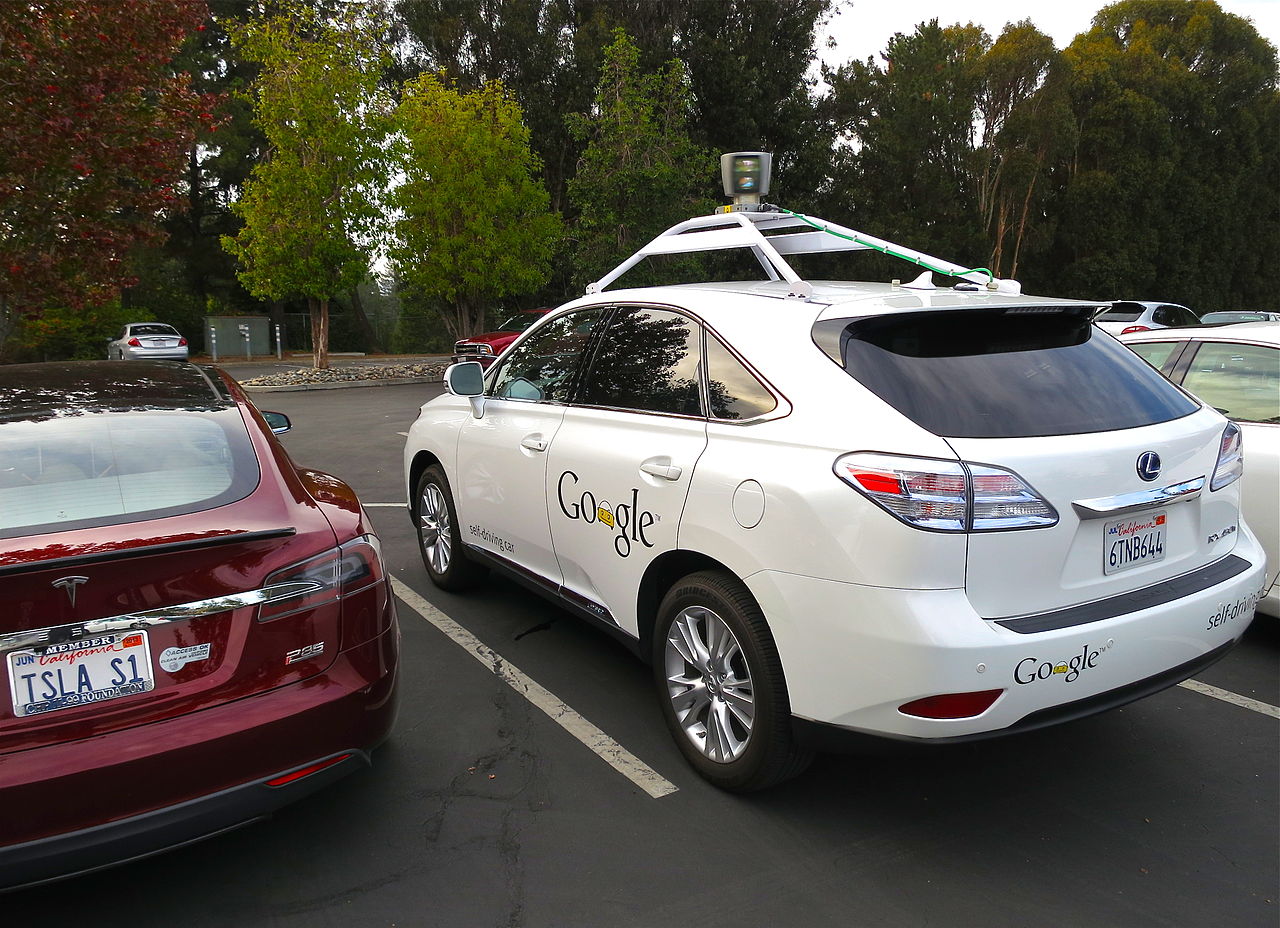
Last year, it was pretty much set in stone that self-driving cars are the future of the auto industry. This set off a nice trend of competition among car makers, which is always good for business. However, by the time 2017 came around, things took a turn for the ugly, with companies suing each other. Even relatively chill tech firms and automakers are practically foaming at the mouth now. What is going on?
As Phys.org reports, the autonomous market has evolved from the dream of a few geeks into a potential auto empire that only the few can rule. The market of self-driving technology is estimated to reach $77 billion by 2035 and it leaves very little room for competition. As Stanford Law scholar Bryant Walker Smith, who has self-driving technology as his specialty notes, the sheer cost of research and the potential payout are causing companies to go berserk.
"The money involved - the money expended in these research efforts and the money expected if they're successful - has just ballooned and become so much more concrete and attainable," Smith said.
Among the most recent companies to be drawn into a legal firestorm involving self-driving technology include Google, Tesla, and Uber, with a few smaller startups and firms duking it out without using legal ammunition. Of these three companies, only Uber stands out as a natural fit when it comes to legal troubles. As Santa Clara Law's High Tech Law Institute director, Eric Goldman points out, it’s extremely unusual for Google to initiate a lawsuit.
"Google doesn't sue people - period," Goldman said. "It's very exceptional to find Google as a plaintiff."
The same goes for Tesla, which recently sued a former executive who started his own self-driving company. In the lawsuit filed by Elon Musk’s technology giant, Sterling Anderson stole company secrets before leaving his position as manager of the firm’s autopilot program.
What makes this case unusual is that Tesla is famous for being supportive of people who leave the company to start their own. Clearly, there is something about autonomous driving technology that is affecting companies in negative, almost destructive ways.







