


 OpenAI Executive Shake-Up Ahead of Anticipated 2026 IPO
  NASA Artemis II: First Crewed Moon Mission Since Apollo Takes Four Astronauts on 10-Day Lunar Journey
  MATCH Act Targets ASML and Chinese Chipmakers in New U.S. Export Crackdown
  Nanya Technology Shares Surge 10% After $2.5 Billion Private Placement from Sandisk and Cisco
  Microsoft's $10 Billion Japan Investment: AI Infrastructure and Data Sovereignty Push
  Makemation: a Nollywood movie that shows AI in action in Africa
  Meta and Google just lost a landmark social media addiction case. A tech law expert explains the fallout
  California's AI Executive Order Pushes Responsible Tech Use in State Contracts
  Cybersecurity Stocks Tumble After Anthropic's Claude Mythos AI Leak Sparks Market Fears
  Samsung Electronics Eyes Record Q1 Profit Amid AI-Driven Chip Boom
  Reflection AI Eyes $25 Billion Valuation in Massive $2.5 Billion Funding Round
  China's Push to Steal Taiwan's Chip Technology and Talent Raises Security Alarms
  TSMC Japan's Second Fab to Produce 3nm Chips by 2028
  Microsoft Eyes $7B Texas Energy Deal to Power AI Data Centers
  Australia's Social Media Ban for Under-16s Sparks Global Movement


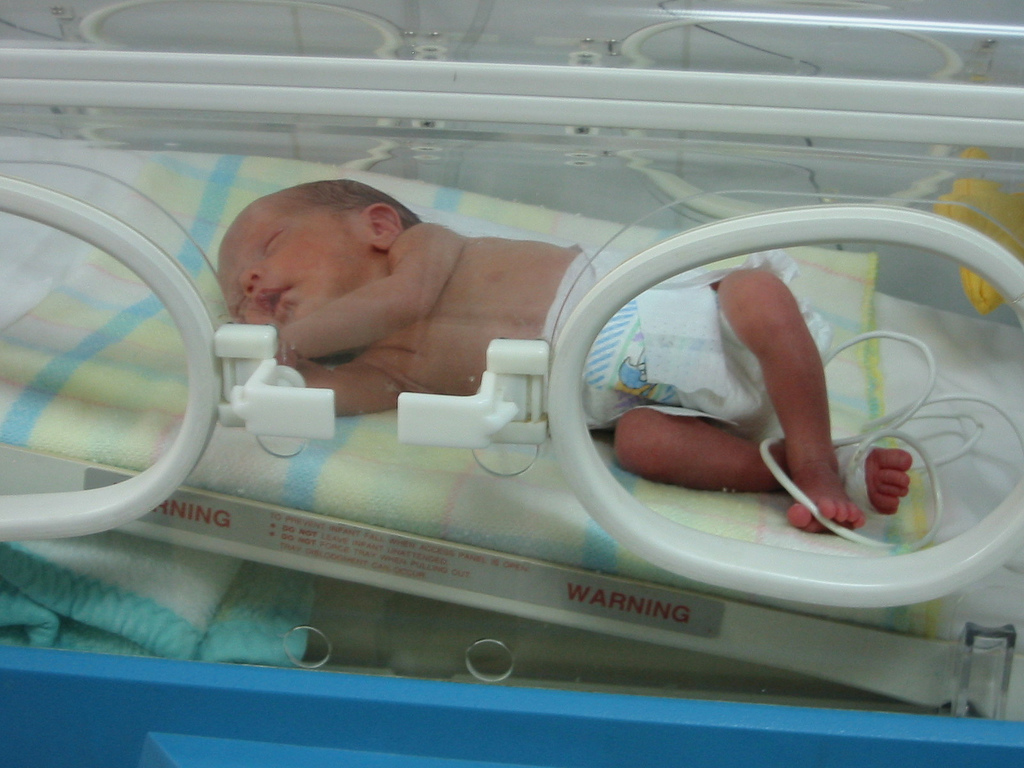
Science has given way to both some of the most useful and atrocious advancements in human history. The artificial womb that scientists just successfully created has the potential for breeding both. Not only does it offer the chance to help premature babies survive outside of their mothers’ wombs, it also paves the way for the creation of human clones and other abominations.
The idea of an exterior container to breed organisms is not a new concept. Scientists have been trying to create artificial chambers to host and grow living beings such as animals and even humans. A recent example sees lambs being grown in a womb-like structure with huge success, CBS News reports.
Being the first of its kind, the wombs didn’t just keep the lambs alive, the subjects were actually developing close to how they normally would if they had been growing inside their mothers. The labs were growing hair, developed healthy lungs and other internal organs, and were stable.
This huge scientific breakthrough is courtesy of scientists from the Children's Hospital of Philadelphia, which strived to find gentler solutions to keeping premature babies alive. Right now, mechanical incubators with tubes and plastic are the most viable options, and those can have some severe side-effects in terms of the development of the fetus.
Of the eight lambs, all survived and are now thriving over the course of four weeks, Business Insider reports. However, this is simply the beginning. The scientists still need to actually test the artificial womb on premature human babies and that can be a tricky prospect.
If the doctors can actually get permission to test out the technology on live, human subjects, it could mean everything to parents who are on the verge of losing their children. On that note, the doctors do stress that only babies 23 weeks in their mothers’ wombs are eligible for the artificial option.







