


 Trump Backs Nexstar–Tegna Merger Amid Shifting U.S. Media Landscape
  Baidu Approves $5 Billion Share Buyback and Plans First-Ever Dividend in 2026
  FDA Targets Hims & Hers Over $49 Weight-Loss Pill, Raising Legal and Safety Concerns
  CK Hutchison Launches Arbitration After Panama Court Revokes Canal Port Licences
  SpaceX Prioritizes Moon Mission Before Mars as Starship Development Accelerates
  SpaceX Reports $8 Billion Profit as IPO Plans and Starlink Growth Fuel Valuation Buzz
  Nasdaq Proposes Fast-Track Rule to Accelerate Index Inclusion for Major New Listings
  Once Upon a Farm Raises Nearly $198 Million in IPO, Valued at Over $724 Million
  Elon Musk’s Empire: SpaceX, Tesla, and xAI Merger Talks Spark Investor Debate
  American Airlines CEO to Meet Pilots Union Amid Storm Response and Financial Concerns
  Toyota’s Surprise CEO Change Signals Strategic Shift Amid Global Auto Turmoil
  Google Cloud and Liberty Global Forge Strategic AI Partnership to Transform European Telecom Services
  Nintendo Shares Slide After Earnings Miss Raises Switch 2 Margin Concerns
  TSMC Eyes 3nm Chip Production in Japan with $17 Billion Kumamoto Investment
  AMD Shares Slide Despite Earnings Beat as Cautious Revenue Outlook Weighs on Stock
  OpenAI Expands Enterprise AI Strategy With Major Hiring Push Ahead of New Business Offering


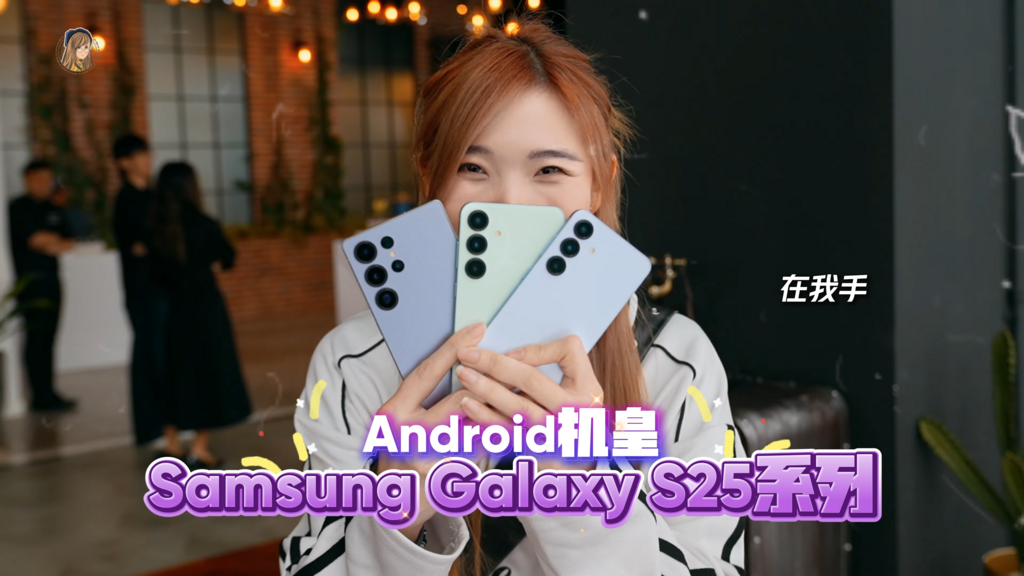
Samsung Electronics launched its Galaxy S25 series, integrating Qualcomm’s Snapdragon 8 Elite Mobile Platform and Google’s Gemini AI model, aiming to boost sales and outpace competitors like Apple and Chinese brands. Despite being first to offer AI-powered smartphones, Samsung struggled to reclaim its top spot in the global market last year.
The Galaxy S25 offers personalized AI features like "Now Brief," which recommends calendars, news, and even bedroom air temperature, processed privately on the device. Users can also execute multiple tasks with a single command, such as finding sports events and adding them to calendars. Samsung’s in-house voice assistant, Bixby, has been upgraded to complement Google’s AI engine, though analysts believe differentiating Bixby remains a challenge.
Priced between $799 and $1,299, the Galaxy S25 series retains its previous pricing despite enhanced features. Samsung also previewed the Galaxy S25 Edge, a thinner flagship model, set to launch ahead of Apple’s next iPhone release.
The shift to using Qualcomm chips exclusively marks a departure from Samsung’s earlier strategy of incorporating both Qualcomm and its in-house Exynos chips. Industry sources suggest Exynos will return in Samsung’s upcoming foldable phones later this year, a segment facing stiff competition from Chinese brands.
Samsung’s smartphone sales are critical amid slowing foldable phone growth and increased market challenges. The company’s Q4 earnings missed expectations, driven by rising chip costs and heightened competition. Despite these hurdles, Samsung remains focused on leveraging AI to enhance its product lineup and brand image.
Samsung shares fell 1.1%, trailing the market’s 0.4% decline. Industry analysts remain cautious about whether AI features alone can drive significant consumer adoption but acknowledge the potential halo effect on the brand.













