


 Michael Saylor Sees Strategy, Strive Expanding Bitcoin Credit Market
  OpenAI Seeks $30 Billion at $1.4 Trillion Valuation
  Solidigm Eyes $150 Billion IPO as SK Hynix Expands AI Storage Push
  Aztec Revives zk.money for Private Ethereum Payments
  Hengrui Shares Rise on $2.6 Billion Novo Nordisk Obesity Drug Deal
  Robinhood Launches AI Agents for Automated Trading
  TikTok Reaches $100 Million Alabama Settlement Over Child Safety Claims
  Petrobras Launches Cardano Apps to Track Low-Carbon Fuels
  Apple iPhone 18 Pro Sales Jump 12% in China
  Ripple and Cardano Expand Blockchain Adoption in Brazil
  Grayscale Sees Zcash Gaining Market Share Against Bitcoin
  Robinhood Chain Meme Coins Slide as Stock Token Locks Rise
  Toyota Global Sales Fall for Seventh Month as China Demand Slumps
  Lindt Slashes 2026 Sales Growth Forecast as European Demand Weakens
  AMD Hits $1 Trillion as BofA Raises Price Target to $720
  Standard Chartered Sees Ethena ENA Hitting $2 by 2028
  Morgan Stanley Launches Digital Asset Lab for Stablecoins and Tokenization


 Add as a preferred source on Google
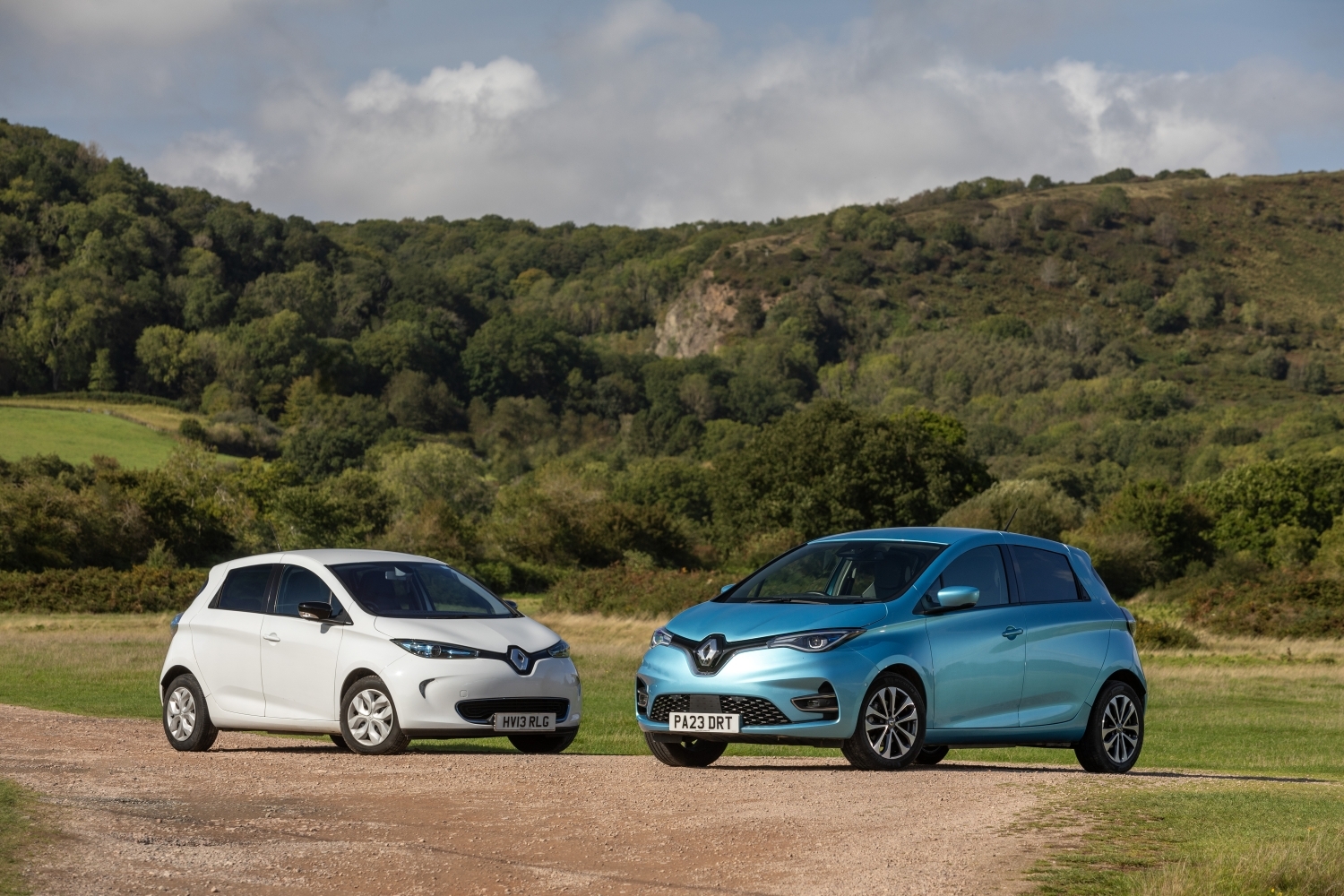
Renault, a leading automotive manufacturer, announced its plans to reduce the production costs of its vehicles by up to 50% within the next four years. This significant cost reduction will be achieved by implementing digital and artificial intelligence (AI) technologies.
Enhanced Efficiencies and Vehicle Development
Reuters reported that to achieve its cost reduction objectives, Renault aims to decrease production costs per vehicle by 30% for internal combustion vehicles and 50% for electric vehicles by 2027. Additionally, the company plans to shorten vehicle development times from three years to an impressive two years.
Renault is already utilizing over 300 AI applications to enhance quality control and trace car parts, such as tires, as per BNN. By 2025, the company aims to increase this number to 3,000, further optimizing production processes. Furthermore, Renault has committed to investing a substantial 400 million euros into its Bursa site in Turkey.
This investment will support the production of four new models, including an economical SUV named the Duster. The Bursa plant is poised to become a prominent export hub, serving the European and global markets worldwide.
Renault's primary objective is to transform the Bursa plant into a thriving export hub, catering not only to Europe but also to countries across the globe. The company seeks to solidify its presence in international markets and capture new opportunities.
Ampere's Strategic Spinoff
Continuing its push towards innovation, Renault completed the spinoff of Ampere, its newly established electric vehicle (EV) business, in September. This strategic move sets the stage for an initial public offering (IPO) in the spring of next year, valuing the EV business at an estimated €10 billion. The success of Ampere is of paramount importance to Renault's CEO, Luca de Meo, who views it as Europe's response to the challenges posed by the United States and China.
Renault is determined to fortify its position in the European market through Ampere's offerings. With the rapidly evolving automotive landscape, the company recognizes the need to adapt and respond effectively to the changing dynamics and demands of the industry.
Photo: Renault Offical Media Site







