


 RBA Minutes Signal Australia Central Bank Remains Ready to Raise Interest Rates if Inflation Persists
  Mary Daly Says AI Uncertainty Clouds Fed Rate Outlook Despite Restrictive Policy
  BoE Policymaker Alan Taylor Signals No Need for Interest Rate Hike Amid Iran War Inflation Risks
  ECB Keeps July Rate Options Open Amid Iran War Energy Price Risks
  Japan Signals Surprise Yen Intervention Strategy as BOJ Hawkish Stance Puts FX Traders on Alert
  Malaysia Central Bank Moves to Support Ringgit Amid Foreign Fund Outflows
  BOJ Signals More Rate Hikes as Inflation Risks Rise Amid Energy Price Pressures
  Denmark Central Bank Intervenes to Support Krone Peg Against Euro
  Taiwan Central Bank Likely to Keep Interest Rates Unchanged Through 2027


History has showed us that banks tend to move close in time, but in differing amounts, when operating out of cycle with the Reserve Bank of Australia. This reflects the common nature of the funding and regulatory shocks that drive such decisions.
However it is by no means certain that history will necessarily repeat itself. History also showed us that even when the banks tightened and the Reserve Bank had an explicit easing bias it still took 3 board meetings to decide to offset the effect of the banks' moves.
The case for the type of net easing that is seen in 2012 is not strong but the Reserve Bank, which targets retail interest rates, may decide at some point to offset any tightening by the banks to restore retail rates to those prevailing at the time of the October Board meeting when the Bank was comfortable with financial conditions and policy settings.
"If to predict a near term rate cut on the basis of an unexpected tightening of financial conditions then one needs to assess the full extent of that tightening and signs of its impact on the real economy. To date that information is not yet available. For now, the rates are expected to remain on hold in both 2015 and 2016", says Westpac.

- News

- Economy

- Central Banks
- Investing
- Research
- Roundups
- Digital Currency
- Insights
- Technical Analysis
- Technology
- Business
- Law
- Health
- Nature
- Fintech
- Science
- Topic
- Opinions
- ©Econometrics LLC . All Rights Reserved.
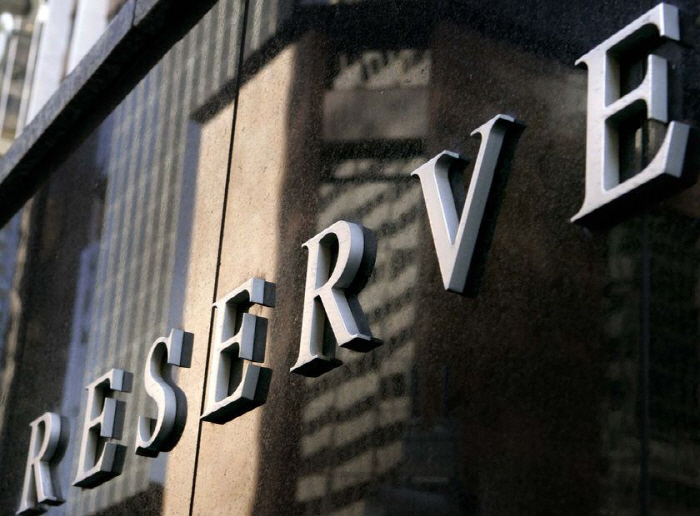
RBA rates to remain on hold through 2015 and 2016
Friday, October 16, 2015 6:23 AM UTC
Editor's Picks



- Market Data
Most Popular




