


 Pi Network Price Holds $0.087 as Protocol 28 Mainnet Upgrade Nears
  Bitget Resumes Crypto Withdrawals After $388M Security Breach
  Pepco Raises FY26 Earnings Outlook, Unveils €400 Million Buyback
  AMD Hits $1 Trillion as BofA Raises Price Target to $720
  Anthropic Targets $2 Trillion Valuation in Planned IPO
  Peter Brandt Sees XRP Rally Toward $5.40 as Whales Accumulate
  Vitalik Buterin Says Hegota Could Be Ethereum’s Last Conventional Fork
  Samsung Invests $1 Billion in KKR’s Helix AI Infrastructure
  Gold Cracks Below $4150 as Hawkish Fed Sparks Yield Surge — Bears Target $4000 if $4100 Support Gives Way
  Northern Star Shares Surge After Rejecting Gold Fields Takeover Bid
  BlackRock’s Rick Rieder Favors Bonds Over Stocks as Treasury Yields Surge
  BitMine Ethereum Holdings Top 6 Million ETH After $46 Million Purchase
  Bitcoin Slides Below $84K as Trump Signals Possible New Iran Strikes
  Hengrui Shares Rise on $2.6 Billion Novo Nordisk Obesity Drug Deal
  Solana ETFs Draw Record $188M Weekly Inflows as Bitwise BSOL Leads


 Add as a preferred source on Google

Want to be a multi-millionaire? Well then, start a “rebel business”, generate brand controversy – and then sell it to the capitalists you appeared to despise. That’s one way to do it.
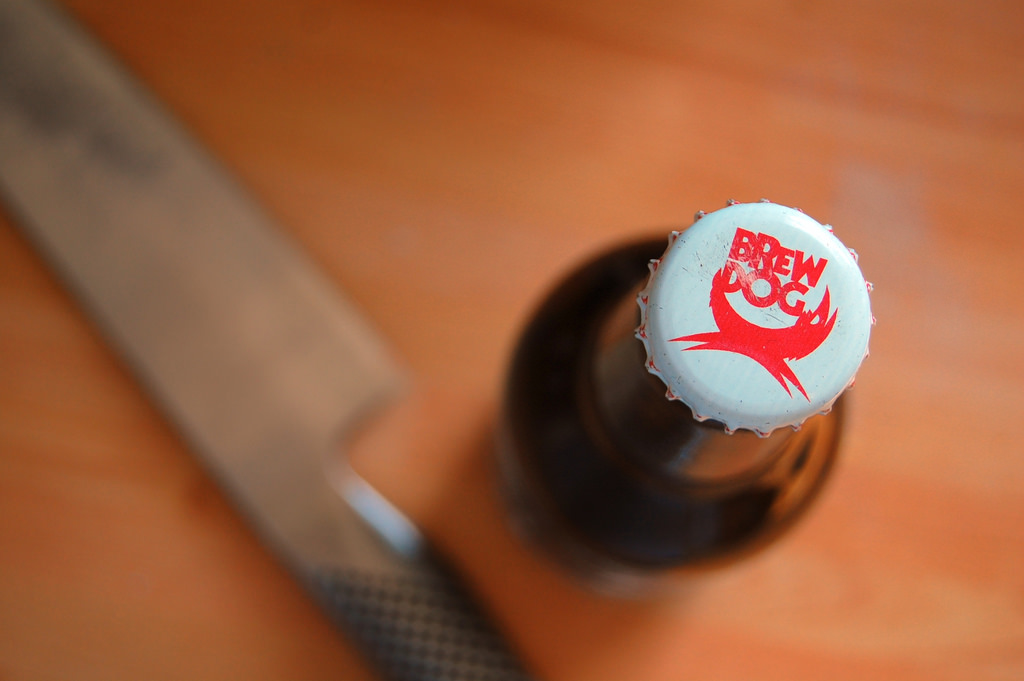
Scottish multinational brewery, distiller and bar chain BrewDog is the most recent version of this story. It has attracted a lot of attention recently. First, the firm blamed “trigger-happy” corporate lawyers for sending out “cease and desist” letters to small independent bars to protect its trademarking. Now the co-founders have announced they have sold 22% of the company to a US private equity firm, valuing BrewDog at a surprising £1 billion. The two founders are now reported to be around £100m better off between them.
There are two stories here. One is about remarkable growth and success selling interesting products. That should be celebrated for job creation, promotion of different beers and spirits – and for provoking a sense of fun while challenging the dysfunctions of contemporary capitalism. But there’s also another story, that feels less good. It is a tale of a company which carefully identifies ways to generate publicity, no matter how offensive (a beer called “Trashy Blonde”, anyone?) – and which attracts some hard questions about corporate culture which don’t suggest a rebellious workplace encouraging freedom of thought. And in the final chapter, there is a rapid move from challenging capitalism to embodying it. It’s not easy trading on rebellion.
Monetised, not televised
But rebellion sells. Since the 1950s, when Hollywood filmmakers realised that young people would pay to get into cinemas to find out more about the Californian youth culture that surrounded Los Angeles, capitalists have been making money out of rebellion. North American cultural commentator Thomas Frank provided an early account of “the conquest of cool”, noting how Gil Scott Heron’s raw, angry, anti-capitalist poem/song The Revolution Will Not Be Televised became central to a Nike advertising campaign.
Finding the latest nonconformity to be monetised can even be a job. Novelist William Gibson, an acute observer of contemporary capitalism, created a trilogy of books around a “coolhunter” who identified what trends would move from the inner cities to provincial high streets.
As Gibson knows, punk in particular sells: t-shirts, boots, trousers, music – and, recently, beer. The idea of punk is inherently plastic – it cuts across music, poetry, politics, clothes, hairstyles, even approaches to academic work. As an ethos it’s notoriously difficult to define. But that doesn’t stop corporate attempts to make money from it – perhaps it even helps.
People like to buy a spirit of rebellion – revolution even – and, if possible, show that they’re resisting capitalism while consuming. But what starts out as fun – as a way of differentiating a t-shirt or a car – can become a millstone, especially if the company grows and the rebel’s choice becomes one that everyone makes.
Ker-ching
This is exactly what has happened to a series of small British companies before BrewDog that all started out as rebellious newcomers to well-established markets. Innocent Drinks is probably the best known – the foundation story tells us that it was started by three university friends on a whim. Selling first at a music festival, they decided they could make a living, so they quit their jobs (in advertising – a surprising number of radical start-up rebels work in advertising before founding their own companies) to make juice drinks and smoothies full time.
Innocent’s progress was rapid – within ten years turnover and profits categorised it as a large company; it was selling into McDonald’s and investors were keen to buy equity from the co-founders. In 2013, after several partial equity purchases, Coca-Cola had a 90% stake in the company.

Smooth operators? viZZZual.com/Flickr, CC BY
Does this sound familiar? It should. It’s almost exactly what has happened to a string of ostensibly radical, rebellious companies which trade on a very specific ethic. Examples include Green & Black’s in confectionery, Ben & Jerry’s in food production, The Body Shop in cosmetics, Pret A Manger in fast food, and howies in sportswear.
Each of these organisations began with good rebellious credentials, often being sued by corporate behemoths (as Levi’s did to howies), and ended up in the hands of either venture capitalists or as a subsidiary (Cadbury/Mondelez, Unilever, L’Oreal, McDonald’s, Timberland). The final, universal part of these stories is that the founders become very wealthy.
Punk power
Consumers continue to make such companies grow through our desire for products that, like a t-shirt with Che Guevara’s face on it, tell the world that we’re different. The latest British company to go along this road trades very specifically on punk, to brand its most popular beer. BrewDog has been producing Punk IPA for almost a decade now. The idea of rebellion is central to this “postmodern classic” as an “inherently contradictory take on a classic style”. This branding draws on, and contributes to, BrewDog’s desire to be seen as radical in relation to other brewers, conventional shareholder capitalism – and really anyone in a position of authority.

The Real Thing. Hanan Cohen/Flickr, CC BY-SA
It can be fun, for sure. Dropping toy “fat cats” from a (branded) rented helicopter over the City of London looks and feels pretty funny, especially as a way of publicising a very different way of raising capital. But there are consistent objections to the content and tone of BrewDog’s marketing, beer names and expansion plans. These aren’t all objections aimed at reducing the amount of fun in the world. There are coherent, clear objections to branding that denigrates women, for example – and there is a good case to suggest that global expansionism is no rebel move, but simply hinders local diversity and development.
So let’s not forget the alternatives. You can make world class products but stay small and local because you’ve only got one pair of hands. Or you can buy your company back from the multinational so that it’s employee-owned, as the folks at howies did. And if you really have to, you can burn the money you make (or could make) from punk. Sometimes rebellion can’t be sold.
 Scott Taylor owns seven shares in BrewDog.







