


 New Zealand Consumer Confidence Rises in June as Inflation Expectations Ease
  Japan Signals Readiness to Act on Yen as Intervention Speculation Grows
  Asian Stocks Rebound as Tech Shares Rally on Fed Rate Cut Hopes and Easing Iran Tensions
  Gold Price Surges Above $4,120 as Weak US Jobs Data Lowers Fed Rate Hike Expectations
  US Stock Futures Rise as Investors Eye Fed Minutes, AI Stocks, and Q2 Earnings
  Asia Stocks Fall as Samsung Earnings Fail to Ease AI Valuation Concerns
  Goldman Sachs Raises USD/JPY Forecast, Sees Yen Weakness Persist Through 2027
  Cuba Power Grid Collapse Triggers Nationwide Blackout Amid Deepening Energy Crisis
  Goldman Sachs Flags 3 Key Risks Ahead of Europe’s Earnings Season
  China 618 Smartphone Sales Drop 13% as Higher Prices Hurt Demand, Huawei Gains Market Share
  Gold Price Rises as Softer Dollar and Fed Rate Expectations Boost Bullion Demand
  Oil Prices Rise as Strait of Hormuz Risks Offset OPEC+ Supply Increase
  Dollar Rebounds as Euro, Pound Slip Ahead of Fed Minutes, Yen Near Intervention Zone
  Japan Defense Stocks Rally on Report of New Defense Ministry Bureau for Global Cooperation
  US Stock Futures Slip as Fed Minutes, Earnings Season Take Center Stage
  Asian Markets Slip as AI Earnings Season Looms, Oil Prices Fall Ahead of Key Fed Signals
  Brazil to Phase Out Gasoline Subsidy First as Diesel Support Stays Longer


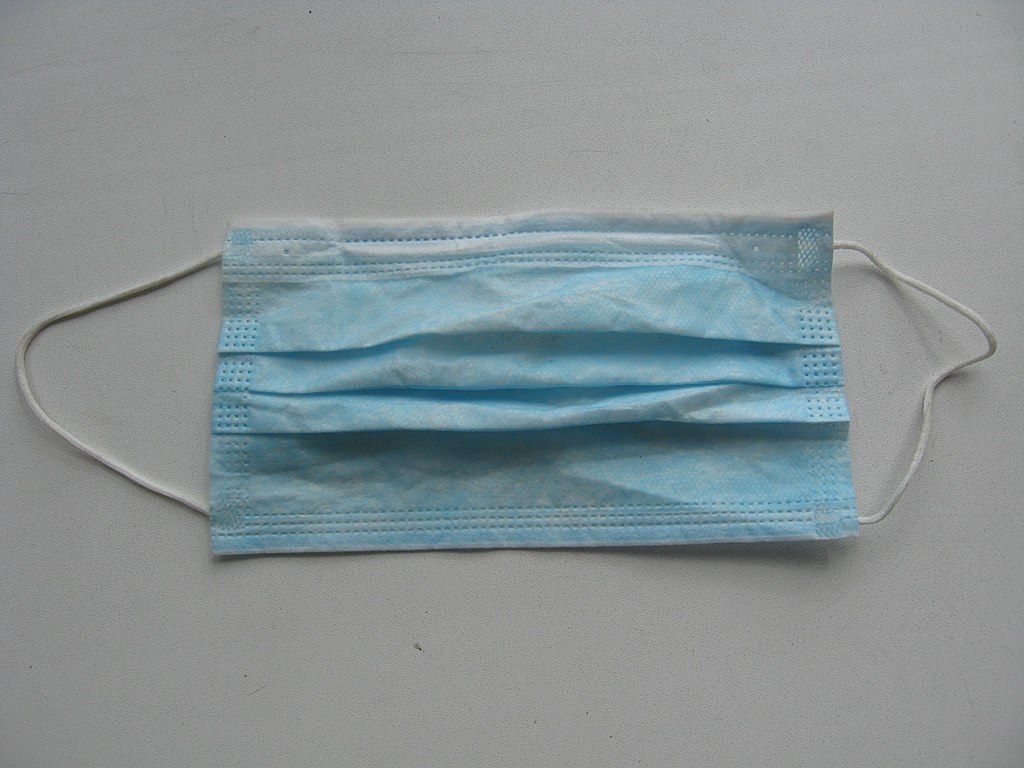

The Centers for Disease Control and Prevention recommends that people wear a cloth face covering for their nose and mouth to protect others from the spread of the coronavirus. Research shows masks lead to a more than threefold reduction in how much flu virus people spray into the air.
Yet there have been reports for weeks that there are shortages of face masks, both the N95 respirators needed by health workers and the simpler ones worn by the public. While companies have promised to ramp up supplies, those will likely be overwhelmed by demand as lockdowns ease and more people need masks as they return to public life.
Countries such as South Korea and Taiwan have responded to shortages by imposing price controls and rationing.
As an economist who wrote a textbook on price theory and teaches it to undergraduates, I’m generally skeptical about price controls. But not in this case.
Why price controls are normally bad
In economics, the price of a given product generally tends to find its “equilibrium,” where demand and supply are equal.
A shortage of a good typically results from a sudden drop in supply – for example, a factory gets hit by a hurricane – or because its price falls below this equilibrium. At this point, more people will want to buy the product than companies are willing to sell at that price. Normally, the reduced supply would cause the price to rise. But when there are price controls, the shortage remains.
For most goods, it is unwise to impose price controls because it causes companies to produce or provide less of the good, which forces some form of rationing, whether imposed by companies – for example, limiting the number of rolls of toilet paper a customer can buy – or government.
In either case, people who value or may most need a good don’t get it, while others with less need – or simply more money – can get a lot more and even hoard it.
There is a long history of governments implementing price controls and rationing.
Medieval governments fixed the maximum price of bread. During World War II, the U.S. government allowed no driver to own more than five automobile tires and let people buy only half a pound of sugar per week.
During the early 1970s, the government set price controls on gasoline leading up to the oil embargo of 1973 and ended up rationing who was able to fill up their tanks amid severe shortages. These price controls caused havoc and violence. Up to 20% of American gasoline stations sometimes had no fuel.
Why masks are different
But masks, hand sanitizers and vaccinations are different from most goods because they may benefit more than just the person using them.
A face mask, for example, may help reduce the chances that he or she will infect others nearby. Economists call this a “positive externality,” and it is the main reason the CDC began recommending people wear masks in public.
Since the people who may be infected from an uncovered sneeze or cough will often be total strangers, an individual may not fully take their health into account when deciding whether to buy and wear a mask. So when a product becomes scarce, pushing up prices, the problem is that a person willing to pay the higher price may not be someone whose use of a mask would most benefit others.
So let’s imagine two men. The first one can do his well-paid professional job from home and doesn’t go out because he fears getting the coronavirus. The other is an essential worker who must continue to do his low-income job everyday and interact with others in close proximity. When the price of masks shoots up, the first man can easily afford to order a supply for himself via Amazon, but the other is unable to do so.
Since the first man interacts with few others, there’s little benefit to his wearing a mask. But the essential worker interacts with dozens of people daily, which means he’s protecting many others by wearing a mask.
In other words, allowing the market to ration a scarce good through higher prices means the wrong people are likely to get it. Moreover, some people may end up hoarding masks, whether for personal use or to sell at even higher prices.
Markets sometimes need a little help
Two of the countries touted as coronavirus success stories have been rationing masks.
South Korea limits the price to US$1.20 a mask, far below the previous market price of $2.00. And it imposes a weekly ration of two face masks per person. Taiwan’s government rationed masks to prevent panic buying and prioritize allocations to health personnel. At the same time, production was ramped up so that individuals are allowed 10 masks every two weeks.
The U.S. could do something similar. For example, the government could buy a large share of the available masks and distribute them at a low price to families in places with high infection rates – in effect a price control. Or, if Americans prefer to avoid direct governmental distribution, the federal government could set the price and require that no more than two masks be sold per person.
This doesn’t mean that all medical supplies should be under price control or rationed. But price controls on goods like masks, hand sanitizer or vaccines, once they become available, can be useful if doing so helps limit the spread of the coronavirus.
The market generally works. But sometimes it needs an assist.
The Program in Corporate Welfare at UC Irvine, which Amihai Glazer directs, receives funding from the Charles Koch Foundation and the Troesh Family Foundation.







