


 Tesla Roadster Reveal Could Feature SpaceX Thrusters in August
  Alphabet’s SpaceX Investment Soars 100-Fold to $94 Billion
  Heritage, desire and diplomacy: why China still values scotch whisky
  Anthropic Eyes $6B Decart AI Acquisition Ahead of Mega IPO
  Maersk Raises 2026 Earnings Outlook as Shipping Profits Beat Expectations
  Nvidia Eyes $3 Billion Investment in SoftBank-Backed AI Data Center
  Meta Ordered to Pay $567M Over Child Safety Violations in New Mexico
  Apple Tests China’s CXMT Memory Chips for iPhones and MacBooks Amid AI Supply Crunch
  Want to cut your energy bills? Here’s how five experts are doing it
  Office design isn’t keeping up with post-COVID work styles - here’s what workers really want
  Stuck in a creativity slump at work? Here are some surprising ways to get your spark back
  What’s the difference between baking powder and baking soda? It’s subtle, but significant
  Apple Develops China-Specific AI Model With Alibaba as Apple Intelligence Launch Nears
  Micron Stock Upgraded to Buy as New Street Sees $2 Trillion Valuation Potential
  Nvidia Secures $500 Billion AI Infrastructure Push With Wall Street Giants


 Add as a preferred source on Google
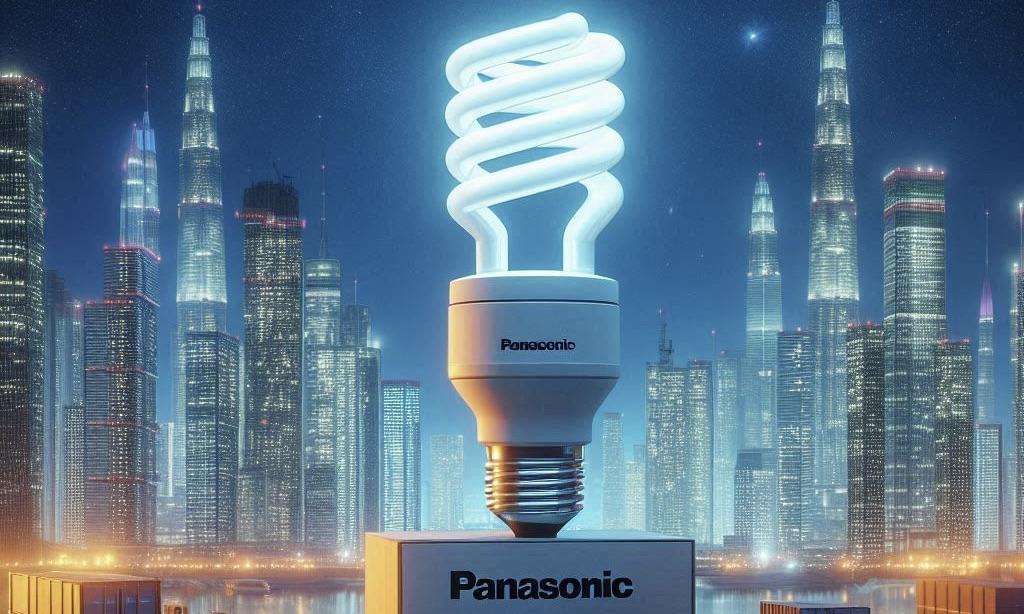
Panasonic will cease production of fluorescent lamps by the end of 2027, ending a seven-decade legacy. The decision aligns with global efforts to phase out mercury-containing products, marking a significant shift in the lighting industry toward LED alternatives.
Panasonic to End 70-Year Fluorescent Lamp Production by 2027, Shifting Focus to LED Lighting
Panasonic, a key player in the lighting industry, will cease production of fluorescent lamps at the end of 2027, marking the end of a seven-decade-long history. According to Nikkei Asia, this significant decision is in response to a worldwide initiative to eliminate the product, underscoring the industry's changing landscape.
Panasonic, Toshiba Lighting & Technology, and Hotalux are the only three corporations in Japan producing fluorescent lighting, which commenced production in 1951.
Panasonic is the first to establish a specific conclusion date. Although the specifics have not yet been determined, the production of light-emitting diode (LED) lanterns is anticipated to increase.
The action is a response to an international agreement reached in November to prohibit the production, export, and import of common fluorescent lamp varieties by the end of 2027 due to their mercury content.
Lighting manufactured before the event date is still available for purchase in 2028 and subsequent years.
Panasonic, mindful of the ongoing demand, intends to continue producing fluorescent lamps until the deadline. This commitment ensures that the product will be available for those who still rely on it in Japan.
Japan's Transition to LED Lighting Faces Challenges Despite Potential to Halve Energy Consumption by 2030
According to the Japan Lighting Manufacturers Association (JLMA), LEDs comprised 60.3% of the country's extant lighting as of June. Fluorescents comprised the preponderance of the remaining 40%.
The Japanese government's ambitious plan to transition all current illumination in the nation to LEDs is expected to yield significant benefits by 2030. The JLMA estimated that this could reduce electricity consumption from lighting by half from 2013, a promising prospect for the industry and consumers.
However, obstacles persist. Fluorescent lamps are typically replaced after reaching the end of their lifespan, typically within two to four years. Renovations are frequently necessary to replace fixtures and other associated equipment to implement the transition.
Additionally, LEDs are generally more costly, which presents an additional challenge for small businesses and consumers experiencing inflation.







