


 Google's TurboQuant Algorithm Sends Memory Chip Stocks Tumbling
  Apple Turns 50: From Garage Startup to AI Crossroads
  Samsung Electronics Eyes Record Q1 Profit Amid AI-Driven Chip Boom
  Reflection AI Eyes $25 Billion Valuation in Massive $2.5 Billion Funding Round
  NASA's Artemis II Crew Arrives in Florida for Historic Moon Mission
  Chinese Universities with PLA Ties Found Purchasing Restricted U.S. AI Chips Through Super Micro Servers
  MATCH Act Targets ASML and Chinese Chipmakers in New U.S. Export Crackdown
  TSMC Japan's Second Fab to Produce 3nm Chips by 2028
  Microsoft's $10 Billion Japan Investment: AI Infrastructure and Data Sovereignty Push
  Elon Musk Ties SpaceX IPO Access to Mandatory Grok AI Subscriptions
  Nanya Technology Shares Surge 10% After $2.5 Billion Private Placement from Sandisk and Cisco
  OpenAI Executive Shake-Up Ahead of Anticipated 2026 IPO
  Australia's Social Media Ban for Under-16s Sparks Global Movement
  Microsoft Eyes $7B Texas Energy Deal to Power AI Data Centers
  SpaceX Eyes Historic IPO at $1.75 Trillion Valuation
  China's Push to Steal Taiwan's Chip Technology and Talent Raises Security Alarms


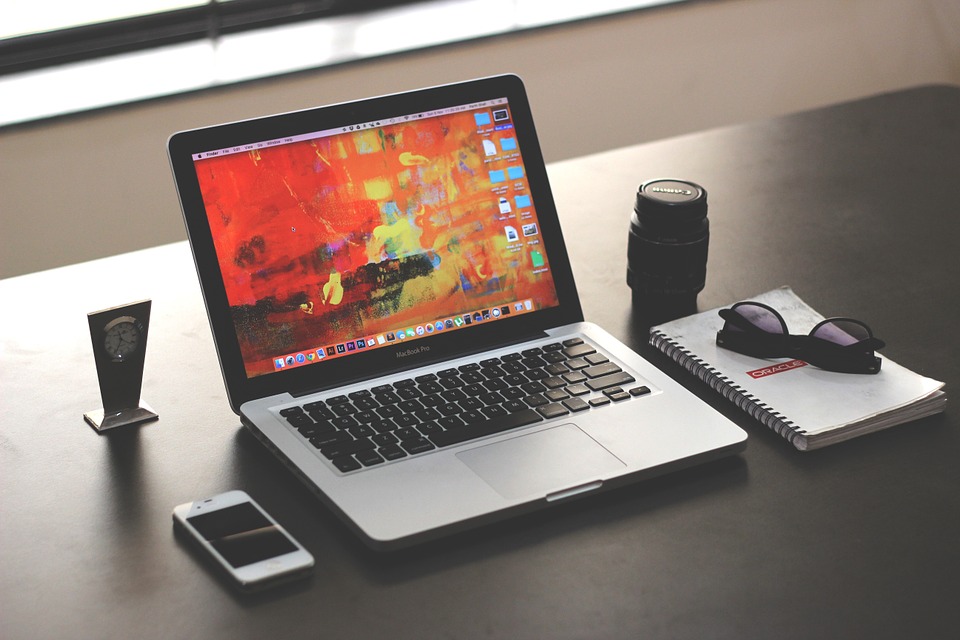
Sales of personal computers have been dropping for several years ever since smartphones exploded in popularity. Last year, shipping dropped by 6.2 percent. Innovations in the PC market have had a significant presence, but it would seem that demand for these devices was not enough to compensate for the loss suffered by more traditional units.
The number of units shipped last year stood at only 260 million according to the International Data Corporation, Phys.org reports. Mikako Kitagawa, an analyst at Gartner noted how certain changes in how people shop for PCs contributed much to the decline in sales.
"Stagnation in the (personal computer) market continued into the fourth quarter of 2016 as holiday sales were generally weak due to the fundamental change in PC buying behavior," Kitagawa said. "The broad PC market has been static as technology improvements have not been sufficient to drive real market growth."
Kitagawa also repeated what everyone else already knows. Buying PCs, either desktops or laptops, is no longer an appealing prospect because they are not used that frequently. In comparison, customers can take their smartphones anywhere and use them at any time, with many costing only a fraction of what even mid-tier laptops go for.
Among the PC makers that are really feeling the brunt of the hits include Lenovo, Dell, and HP. On the other hand, those three brands are also leading the market, Fortune reports.
Lenovo shipped 55.5 million units in 2016, which is a 3% drop compared to the 57 million that the company placed on store shelves in 2015. HP shipped 54.2 million and Dell shipped 40.7 million.
One of the companies that took a bigger hit includes Apple, which only shipped 18.4 million units. That’s a 10% drop compared to 2015. The reasons for the decline aren’t exactly clear since the IDC didn’t provide data on that point.







