


 Japan Private-Sector Growth Slows as Domestic Demand Weakens
  European Stocks Slip as Iran Tensions Offset Strong Eurozone Data
  Wall Street Ends Flat as Oil, Treasury Yields and Fed Jitters Rattle Markets
  Gold Drops Over 1% as Dollar, Treasury Yields Surge on Fed Rate Hike Bets
  European Stocks Fall as Bond Yields and Geopolitical Risks Weigh
  Fed Unveils Stablecoin Rules Under GENIUS Act
  Soybean Futures Slip as Traders Await Trump-Xi Trade Signals
  US Dollar Hits Two-Month High as Fed Rate Hike Bets Rise
  US 10-Year Treasury Yield at 6% Emerges as New Market Risk Threshold
  US, China Extend Trade Truce to Jan. 10 Ahead of Trump-Xi Summit
  Asian Stocks Fall as Bond Yields Surge Ahead of Trump-Xi Summit
  Trump, Xi Focus on Trade and AI at White House Summit
  RBI Uses $10 Billion Currency Swaps to Drain Excess Rupee Liquidity
  Russian Envoy Dmitriev Heads to US for Ukraine Talks
  Fed Unveils Stablecoin Rules Under GENIUS Act
  Asian Currencies Mixed as Dollar Holds Near Two-Month High
  US Stock Futures Fall as Treasury Yields Surge Ahead of Trump-Xi Summit


 Add as a preferred source on Google
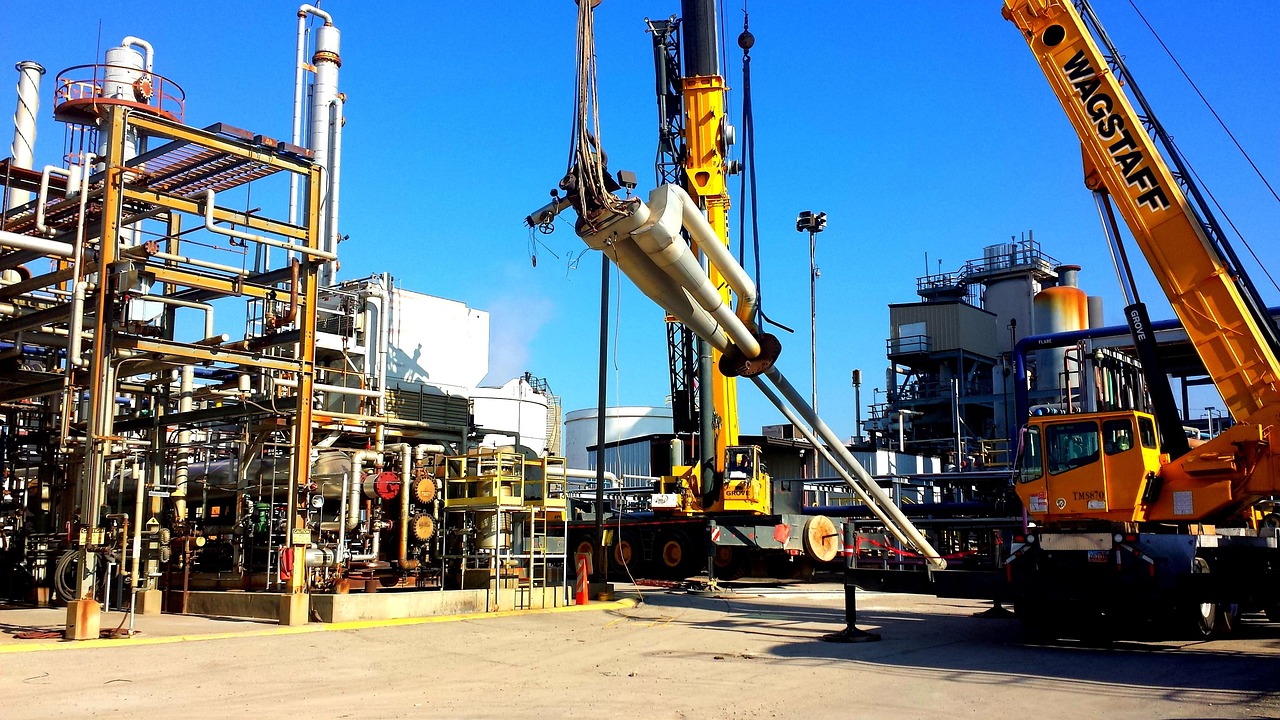
Global oil prices fell sharply on Monday, with Brent crude and West Texas Intermediate (WTI) both dropping more than 4% after reports emerged that the United States and Iran had reached an interim peace agreement aimed at reopening the Strait of Hormuz, one of the world’s most important oil shipping routes.
Brent crude futures for August delivery declined 4.3% to $83.55 per barrel, while WTI crude futures for July delivery slipped 4.3% to $81.22 per barrel. The decline reflects growing optimism that oil supply disruptions caused by months of conflict could soon ease.
According to statements from U.S. President Donald Trump and Iranian officials, the two countries have agreed in principle to end hostilities and restore shipping access through the Strait of Hormuz. A memorandum of understanding is expected to be signed in Switzerland on Friday, with Pakistan serving as a key mediator in the negotiations.
The agreement reportedly includes the reopening of the strategic waterway and the removal of the U.S. naval blockade on Iranian ports. Iran has also indicated that the deal could lead to the lifting of U.S. sanctions, while further talks on Tehran’s nuclear program and other unresolved issues are expected over the next 60 days.
The prospect of renewed oil flows has reduced fears of a prolonged global energy supply shock. Analysts say lower crude prices could help ease inflationary pressures and reduce concerns over additional interest rate hikes by major central banks.
Despite the positive market reaction, analysts caution that geopolitical risks remain and that oil prices may find support from tightening inventories. Data released Monday showed that U.S. Strategic Petroleum Reserve (SPR) holdings have fallen to 340.3 million barrels, the lowest level since 1983, following extensive government drawdowns aimed at controlling fuel prices.
Market participants are now closely watching upcoming U.S. inventory data and developments surrounding the formal signing of the U.S.-Iran agreement, both of which could influence the next direction for global oil prices.







