


 Canadian Dollar Faces Pressure as Fed-BoC Policy Gap Widens
  U.S. Treasury Yields Surge as 30-Year Hits 22-Year High
  China’s ‘Lipstick King’ Says AI Won’t Replace Livestream Hosts
  RBI Uses $10 Billion Currency Swaps to Drain Excess Rupee Liquidity
  Fed Unveils Stablecoin Rules Under GENIUS Act
  Trump, Xi Focus on Trade and AI at White House Summit
  US Stock Futures Fall as Treasury Yields Surge Ahead of Trump-Xi Summit
  Australia Unemployment Hits Five-Year High Despite Strong Jobs Growth
  Oil Prices Ease as Iran Tensions Clash With Diplomacy Hopes
  Japanese Yen Rebounds as Trump Flags Currency Weakness
  US Comfortable With Canada Trade Standoff as Import Bans Loom
  Japanese Bank Stocks Surge as Bond Yields Fuel Rate Hike Bets
  Asian Stocks Fall as Bond Yields Surge Ahead of Trump-Xi Summit
  Wall Street Ends Flat as Oil, Treasury Yields and Fed Jitters Rattle Markets
  Oil Prices Jump 3% as Houthi Attack Revives Supply Fears
  U.S. Dollar Hits Two-Month High as Oil, Treasury Yields Surge
  Japan Private-Sector Growth Slows as Domestic Demand Weakens


 Add as a preferred source on Google
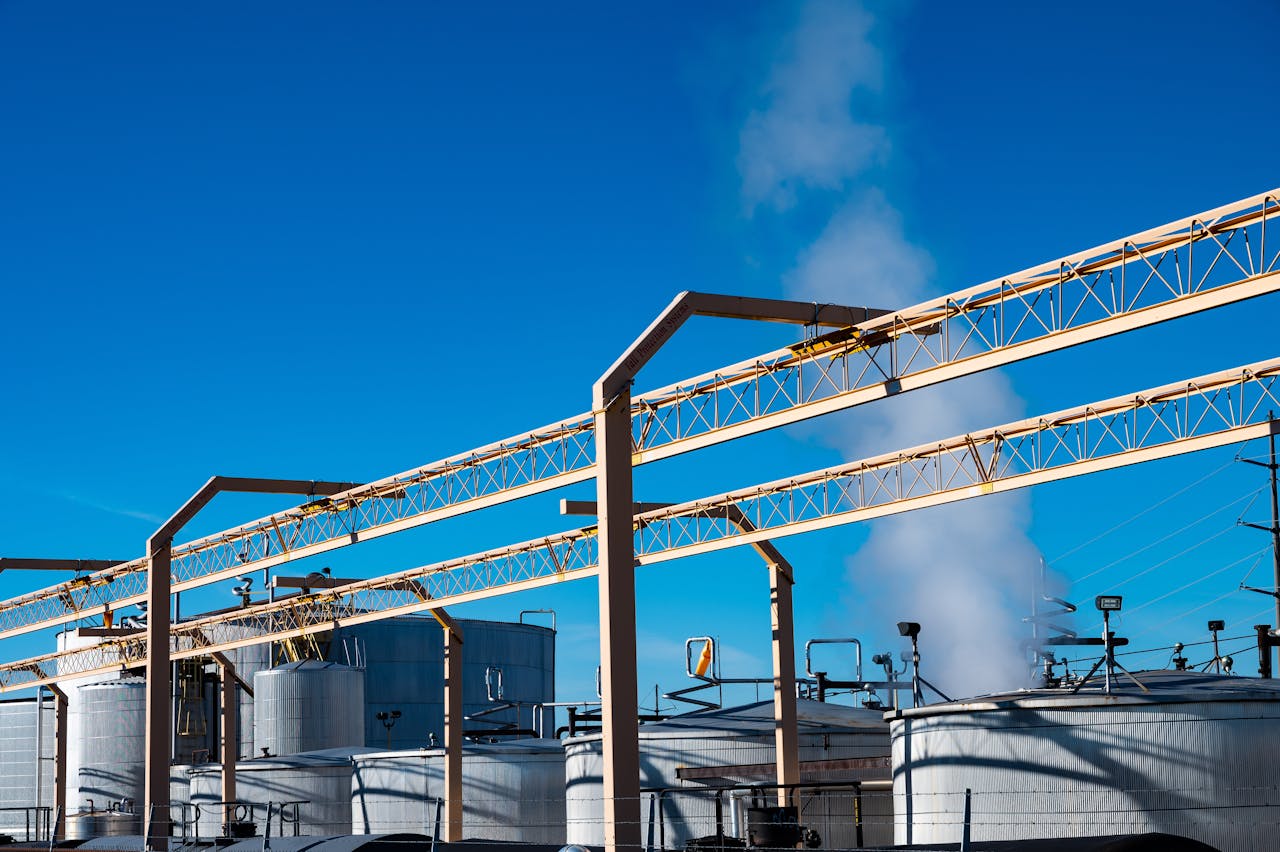
Oil prices were mostly unchanged during Asian trading on Friday, holding on to gains from earlier in the week as geopolitical tensions continued to underpin the market. However, thin holiday liquidity and limited participation from major financial centers restrained fresh price movements, keeping crude benchmarks in a narrow range.
As of early Asian hours, Brent crude futures for February delivery edged up slightly to around $62 per barrel, while West Texas Intermediate (WTI) crude futures traded near $58 per barrel. Both benchmarks were on track to post weekly gains of roughly 3%, supported by rising geopolitical risk premiums. Despite this short-term strength, oil prices remained under pressure on a yearly basis due to persistent oversupply concerns and softer global demand growth.
Geopolitical developments played a key role in stabilizing crude prices. Markets reacted to reports of increased U.S. pressure on Venezuelan oil exports, with Washington ordering U.S. forces to enforce a temporary “quarantine” on Venezuelan crude shipments. The move raised concerns over potential supply disruptions, particularly as Venezuela had recently increased oil exports to Asian buyers. The prospect of tighter supply from the OPEC member helped add support to oil prices.
Additional geopolitical risk emerged after U.S. President Donald Trump confirmed that American forces carried out airstrikes against Islamic State militants in northwest Nigeria. Nigeria, one of Africa’s largest oil producers, has long been sensitive to security risks, and the strikes added to broader concerns about regional stability. These developments encouraged cautious buying in energy markets as traders factored in possible supply risks.
Despite recent gains, oil prices have struggled to maintain sustained rallies throughout the year. Brent crude was set to record an annual decline of nearly 16%, while WTI was heading for a drop of close to 19%. Concerns over global economic growth, rising non-OPEC production, and subdued demand expectations continued to weigh on sentiment.
With U.S. inventory data delayed due to the Christmas holiday and many global markets operating on reduced schedules, oil prices were expected to remain range-bound. Investors are likely to look to early January economic data and policy signals for clearer direction on crude demand and supply trends in the new year.







