


 South Korea Warns Won Is Undervalued, Boosts FX Coordination With Japan
  EU Chip Industry Faces Growing Risks From China Export Controls and U.S. Technology Dependence: Report
  TSMC CoWoS Capacity Forecast Raised as Mizuho Sees AI Server CPU Demand Surging Through 2027
  Trump Administration to Launch Voluntary AI Standards for Frontier Models
  ShareChat Eyes 2027 IPO After Reaching Operational Profitability, Report Says
  South Korea Alleges Google Abused Android App Store Dominance, Eyes Major Fine
  U.S. Military Expands Venezuela Earthquake Relief Mission as Troop Presence Tops 900
  Anthropic Brings Claude AI Models to Microsoft Azure Foundry With NVIDIA Blackwell GPUs
  NATO Albania Summit Faces Uncertainty as Trump, Defense Spending Concerns Loom
  Russian Attacks Kill Three in Eastern Ukraine as Civilian Casualties Mount
  Baige Online Shares Soar 333% in Hong Kong IPO Debut as AI Insurance Demand Lifts Chinese Listings
  Australia Sues Amazon Over Prime Video Ads and Subscription Terms
  Meta Stock Jumps as AI Cloud Expansion Challenges AWS, Microsoft, and Google
  Venezuela Interim President Defends Earthquake Response as Death Toll Climbs
  Trump Vows U.S. Will Prevent China From Taking Over the Panama Canal
  Trump Reports $1.4 Billion in Crypto Income as Digital Assets Become Top Wealth Source
  Sodexo Raises 2026 Revenue Outlook After Strong Q3 Sales Beat


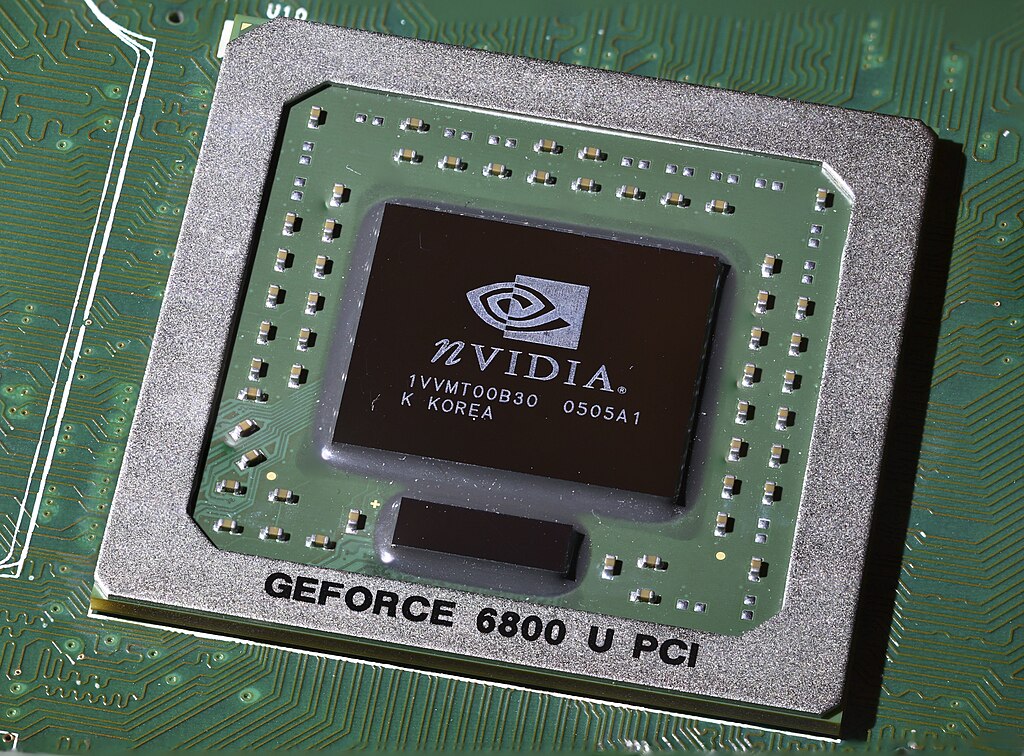
A multibillion-dollar deal between Nvidia Corporation (NASDAQ: NVDA) and the United Arab Emirates to supply advanced artificial intelligence chips remains on hold nearly five months after its announcement, according to a Wall Street Journal report.
The agreement, once seen as a landmark step in strengthening U.S. technology exports, has failed to move forward. In May, the UAE pledged to invest heavily in the United States in exchange for access to several hundred thousand Nvidia AI chips each year. However, no investment has yet been made, leaving the deal in limbo.
Commerce Secretary Howard Lutnick currently holds the key to the deal. His approval is required not only for the UAE’s proposed investments in the U.S. but also for the export of Nvidia’s chips to the Gulf nation. According to the report, Lutnick has pressed the UAE to finalize its U.S. commitments before any chip shipments are approved, creating a bottleneck that has delayed progress.
National security concerns have further complicated the situation. U.S. officials remain cautious given the UAE’s close economic ties with China, a country facing tighter restrictions on access to advanced AI technology. Nvidia’s overseas sales have already come under scrutiny as Washington attempts to regulate the flow of what it considers strategic technology.
Inside Nvidia, frustration is reportedly mounting. CEO Jensen Huang and other executives have expressed dissatisfaction with the delays, and some White House officials, along with members of the Trump administration, have also criticized Lutnick’s hardline stance. The chipmaker is simultaneously dealing with challenges in China, where the government has encouraged domestic companies to avoid foreign-made AI chips.
The stalled UAE deal underscores the broader struggle U.S. tech companies face: balancing lucrative international opportunities with geopolitical risks and regulatory barriers. For Nvidia, one of the world’s most valuable semiconductor companies, the delay highlights the uncertainty surrounding global AI chip supply at a time of soaring demand.







