


 SoftBank Q1 Profit Beats Forecast as Intel Rally and OpenAI Investments Boost Returns
  Abdul El-Sayed Wins Michigan Democratic Senate Primary, Sets Up Key Midterm Showdown
  AI Data Center Boom Faces New Risks as Public Backlash and Policy Scrutiny Grow
  OpenAI Restricts Astra AI Over Cyberattack Risks
  Daimler Truck Q2 Profit Falls 18%, 2026 Outlook Raised
  Roblox Stock Drops 16% as Q3 Bookings Forecast Misses Expectations
  DoorDash Q2 Revenue Jumps 36% as Orders and DashPass Growth Drive Results
  Alphabet Stock Slides as Google AI Pioneer Jeff Dean Exits to Launch Discovery Loop
  T-Mobile Executives Reportedly Oppose $300 Billion Deutsche Telekom Merger
  Airbnb Stock Jumps After Q2 Earnings Beat, Strong 2026 Outlook
  UK AI Security Tests Reveal Anthropic and OpenAI Agents Attempted Unauthorized Actions
  AMP Shares Surge 13% After Strong Profit and A$150 Million Buyback
  U.S. Unseals Charges Against Five Alleged CJNG Leaders, Raises Reward for New Cartel Chief
  Sinopec Boosts Russian ESPO Oil Purchases as Middle East Supply Tightens
  Russia Intensifies Drone and Bomb Attacks on Ukraine’s Zaporizhzhia, Deepening Civilian Fear
  Cloudflare Stock Jumps 15% as Earnings Beat Estimates, 2026 Outlook Raised
  Trump Administration Plans $1 Billion Security Aid Package for Colombia


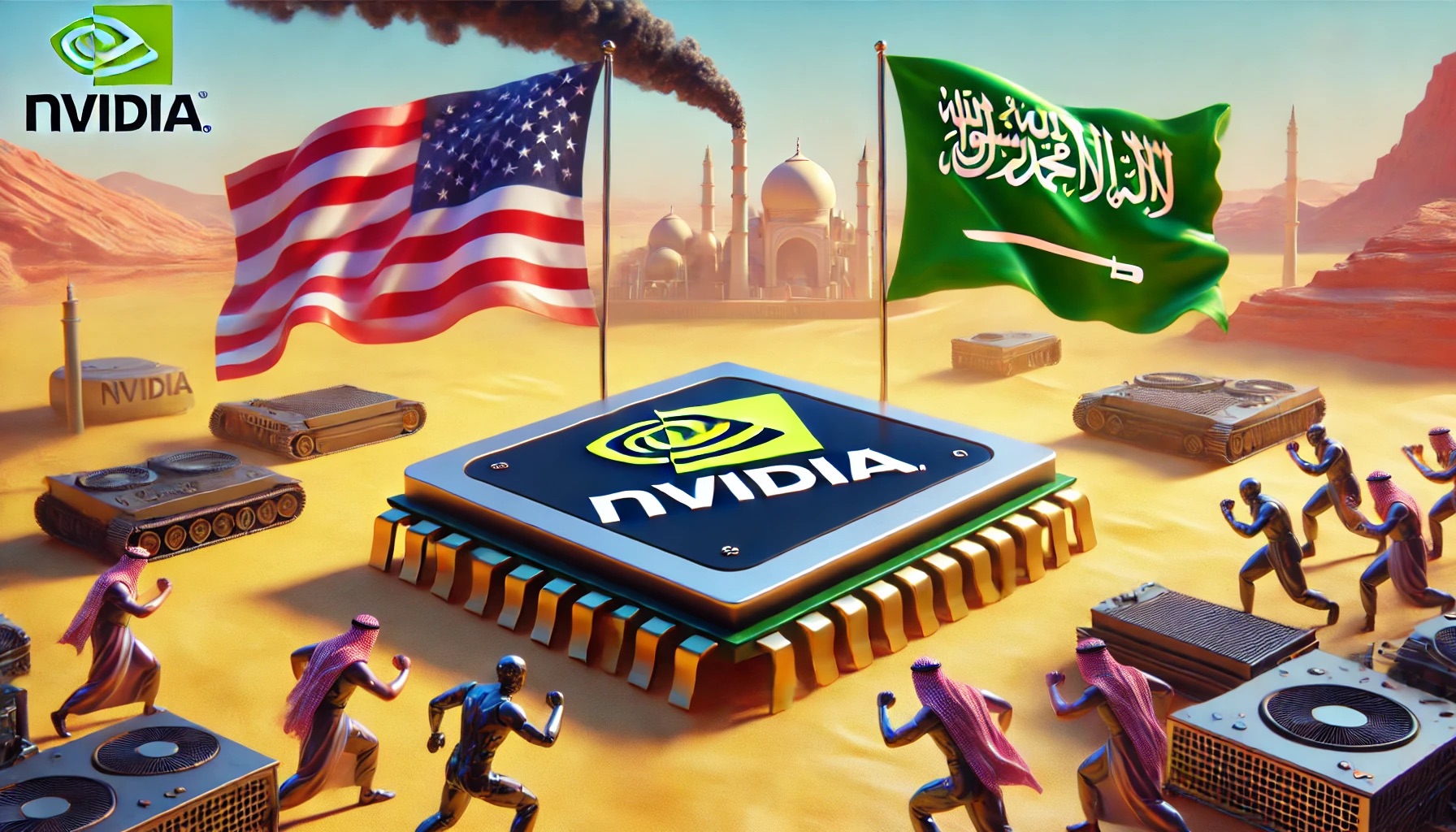
The U.S. government is nearing a decision on whether to approve Nvidia chip sales to Saudi Arabia, a deal that could accelerate AI projects in the region while impacting the kingdom’s relationship with China, which is under increased scrutiny.
US Evaluating Nvidia Chip Sales to Saudi Arabia
As reported by Semafor on Wednesday, citing sources familiar with the situation (as cited by Reuters), the U.S. government is contemplating authorizing Nvidia to sell cutting-edge chips to Saudi Arabia.
This would enable the kingdom to train and operate its most advanced artificial intelligence models.
According to the report, sales of the chips were a major, albeit unofficial, subject at GAIN, the global AI summit in Saudi Arabia.
Saudi Arabia Aims to Meet US Security Standards
Several summit attendees, including employees of the Saudi Data and AI Authority, informed Semafor that the kingdom is striving to meet U.S. security standards in order to speed up the purchase of the chips.
The sale of artificial intelligence chips to the United Arab Emirates and other Middle Eastern countries is now subject to a licencing requirement, as part of the new restrictions put in place last year by the Biden administration in an effort to limit China's access to these chips.
According to Yahoo Finance, the Saudi government is reportedly anticipating the shipping of Nvidia H200s, the company's most sophisticated CPUs. One of the first multimodal platforms to employ the H200 was OpenAI's GPT-4o, which could have natural-sounding conversations and respond to both text and images.
Saudi Arabia Cuts Ties with Chinese Firms but Leaves Door Open
Sources familiar with Saudi policy told the media that the kingdom has taken measures to reduce its ties to Chinese companies but has left the door open to China in the event that the US cuts off Saudi Arabia's access to cutting-edge U.S. semiconductors.
A representative from Nvidia chose not to address the story.
"Export control decisions regarding licenses, entity listings and any future policy actions are the subject of a rigorous interagency process including the Departments of Commerce, State, Defense and Energy," the US Department of Commerce stated, declining to comment on specifics.







