


 Samsung Electronics Eyes Record Q1 Profit Amid AI-Driven Chip Boom
  Alibaba Shares Slide as Jefferies Slashes Price Target Over AI Spending and Business Losses
  Bendigo and Adelaide Bank Posts Strong Q3 Earnings, Announces AI-Driven Job Cuts
  Annie Altman Amends Sexual Abuse Lawsuit Against OpenAI CEO Sam Altman
  TSMC Posts Strong Q1 2025 Revenue, Riding AI Chip Demand Wave
  Anthropic Fights Pentagon Blacklisting in Dual Federal Court Battles
  MATCH Act Targets ASML and Chinese Chipmakers in New U.S. Export Crackdown
  TSMC Japan's Second Fab to Produce 3nm Chips by 2028
  Microsoft's $10 Billion Japan Investment: AI Infrastructure and Data Sovereignty Push
  China's AI Stocks Surge as Zhipu and MiniMax Hit Record Highs
  NASA's Artemis II Crew Arrives in Florida for Historic Moon Mission
  Microsoft Eyes $7B Texas Energy Deal to Power AI Data Centers
  California's AI Executive Order Pushes Responsible Tech Use in State Contracts
  Australia's Social Media Ban for Under-16s Sparks Global Movement
  Britain Courts Anthropic Amid US Defense Department Dispute


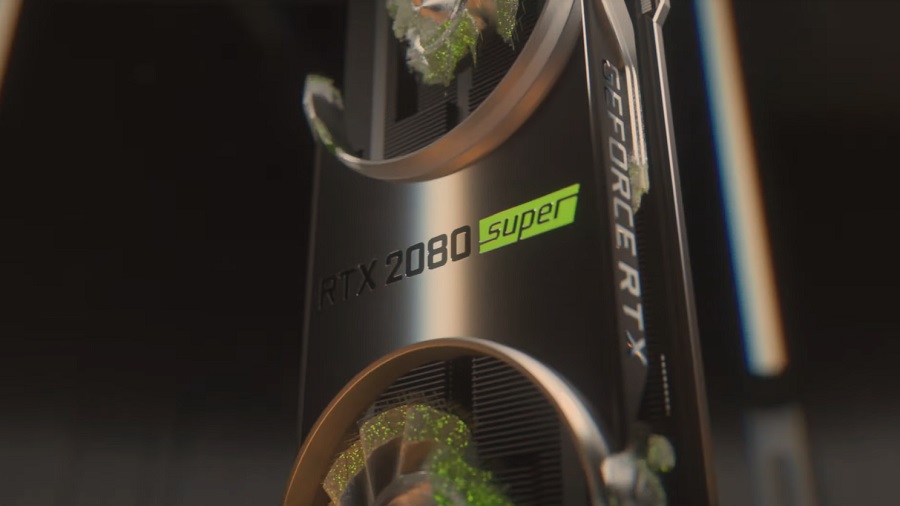
It is always predictable that Intel would win in the CPU and GPU market share every quarter or annually. So market watchers might find it more exciting to follow how the numbers for Nvidia and AMD changes.
The second quarter of 2019 proves to be one of those moments as AMD surpassed its GPU rival for the first time in the last five years. However, Nvidia still wins dominantly in one area.
Nvidia dominates AMD in discrete GPU shipments
Jon Peddie Research reports Nvidia’s overall GPU market share for Q2’2019 barely moved and saw a 0.04 percent decline. AMD, on the other hand, saw a 9.85 percent increase as Intel’s shipments decreased by 1.44 percent.
However, Nvidia still has a landslide advantage over AMD in terms of the discrete GPU shipments. This refers to the dedicated graphics processors that laptop and desktop makers choose to ship with their products. Consumers can spot this through the stickers below their laptop keyboards, beside the marker for their CPUs. For Q2’2019, Nvidia shares 71 percent of the discrete GPUs while the remaining 29 percent belongs to AMD.
Nvidia could fall further behind AMD in 2020?
AMD’s lead in the overall GPU market share in Q2’2019 is not too far for Nvidia to chase in the following quarters. However, a recent event that involves a major lawsuit could further affect Nvidia’s numbers in 2020.
Last week, the Santa Clara, California-based semiconductor foundry GlobalFoundries announced that it filed a lawsuit against Taiwan Semiconductor Manufacturing Company (TSMC) and 19 other companies including Nvidia. GlobalFoundries is suing the 20 companies, those also include Google, Lenovo, Asus, OnePlus, and Apple, for allegedly infringing 16 of its patents. “GF also seeks significant damages from TSMC based on TSMC’s unlawful use of GF’s proprietary technology in its tens of billions of dollars of sales,” the American foundry said in a press release.
Dan Hutcheson, CEO and Chairman of VLSI Research, told PCGamesN that the lawsuit -- filed in the United States and Germany -- may have a bigger chance of winning. It is unclear at this point whether or not the lawsuit could halt the importation of Nvidia products to key regions, but it could slow down the pace at which TMSC manufactures Nvidia components. Either way, there is a possibility that the pending lawsuit can further harm Nvidia’s numbers in the coming year. TSMC has responded to GlobalFoundries calling its allegations as “baseless” and promised to fight the case.







