


 SpaceX Pushes for Early Stock Index Inclusion Ahead of Potential Record-Breaking IPO
  Amazon Stock Rebounds After Earnings as $200B Capex Plan Sparks AI Spending Debate
  Elon Musk’s Empire: SpaceX, Tesla, and xAI Merger Talks Spark Investor Debate
  Global PC Makers Eye Chinese Memory Chip Suppliers Amid Ongoing Supply Crunch
  Alphabet’s Massive AI Spending Surge Signals Confidence in Google’s Growth Engine
  Nasdaq Proposes Fast-Track Rule to Accelerate Index Inclusion for Major New Listings
  Elon Musk’s SpaceX Acquires xAI in Historic Deal Uniting Space and Artificial Intelligence
  Sam Altman Reaffirms OpenAI’s Long-Term Commitment to NVIDIA Amid Chip Report
  SoftBank and Intel Partner to Develop Next-Generation Memory Chips for AI Data Centers
  SpaceX Updates Starlink Privacy Policy to Allow AI Training as xAI Merger Talks and IPO Loom
  SoftBank Shares Slide After Arm Earnings Miss Fuels Tech Stock Sell-Off
  Nvidia CEO Jensen Huang Says AI Investment Boom Is Just Beginning as NVDA Shares Surge
  Palantir Stock Jumps After Strong Q4 Earnings Beat and Upbeat 2026 Revenue Forecast
  Hims & Hers Halts Compounded Semaglutide Pill After FDA Warning
  Once Upon a Farm Raises Nearly $198 Million in IPO, Valued at Over $724 Million
  Nvidia Confirms Major OpenAI Investment Amid AI Funding Race


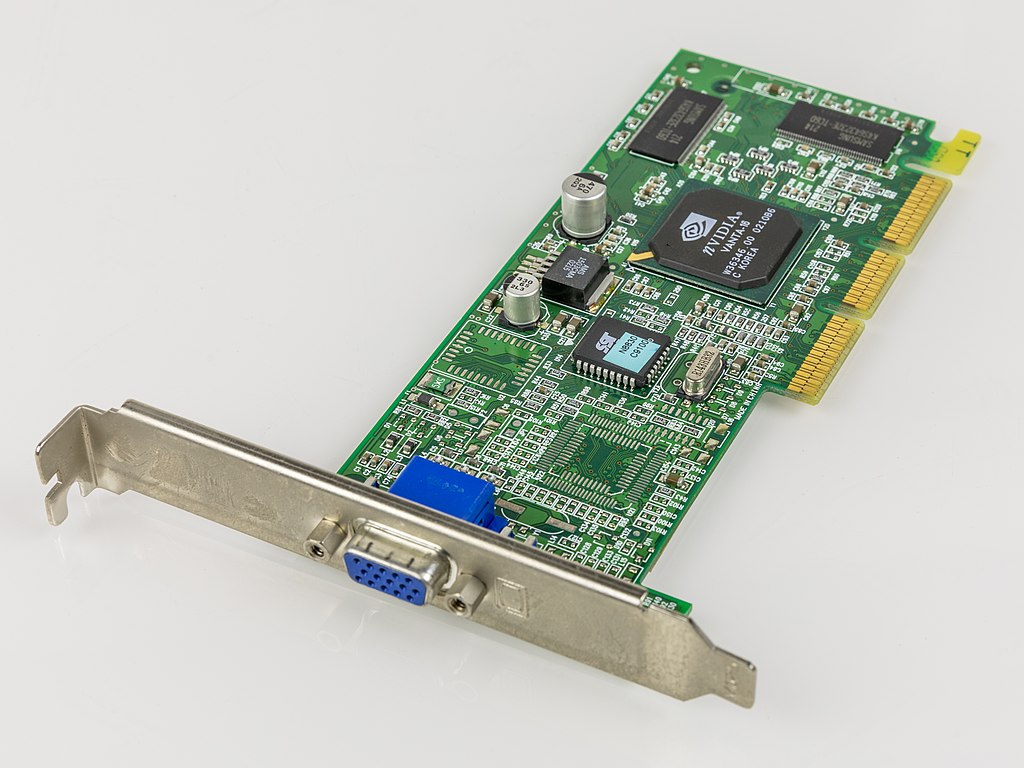
Nvidia (NASDAQ: NVDA) failed to alert major Chinese clients in advance about new U.S. export restrictions on its H20 AI chips, sources familiar with the matter revealed. The U.S. government notified Nvidia on April 9 that the H20 would now require a license for sales to China. However, some key cloud service providers in China, such as Alibaba, Tencent, and ByteDance, were unaware and continued to expect deliveries by year-end.
This export rule marks Washington’s latest move to curb China’s access to cutting-edge semiconductors, aiming to protect U.S. dominance in artificial intelligence. The sudden restriction could significantly impact Nvidia’s business, with China having generated $17 billion—13% of its total revenue—in the last fiscal year. Nvidia had reportedly secured $18 billion in H20 orders since early 2025.
Nvidia confirmed it complies fully with U.S. export laws, stating it sells processors only where permitted. Still, its China sales team appeared uninformed until the announcement, highlighting internal communication gaps. Following the news, Nvidia's shares fell 6% in after-hours trading, as the company disclosed it would incur up to $5.5 billion in charges this quarter due to inventory and purchase commitments linked to the H20 chip.
The H20, introduced after previous U.S. export curbs in October 2023, was the main AI chip Nvidia was allowed to sell in China. With this new hurdle, analysts believe Chinese firms like Huawei could benefit. Huawei’s AI chips are emerging as strong alternatives, and the latest restrictions may accelerate their development and adoption among Chinese tech giants.
The Biden administration continues to restrict advanced chip exports over national security concerns, further complicating U.S.-China tech relations.













