


 Nanya Technology Shares Surge 10% After $2.5 Billion Private Placement from Sandisk and Cisco
  SMIC Allegedly Supplies Chipmaking Tools to Iran's Military, U.S. Officials Warn
  NASA's Artemis II Mission: First Crewed Lunar Journey Since Apollo
  Federal Judge Blocks Pentagon's Blacklisting of AI Company Anthropic
  Makemation: a Nollywood movie that shows AI in action in Africa
  SpaceX Eyes Historic IPO at $1.75 Trillion Valuation
  Rubio Directs U.S. Diplomats to Use X and Military Psyops to Counter Foreign Propaganda
  Australia's Social Media Ban for Under-16s Sparks Global Movement
  Elon Musk Ties SpaceX IPO Access to Mandatory Grok AI Subscriptions
  SK Hynix Eyes Up to $14 Billion U.S. IPO to Fund AI Chip Expansion
  Google's TurboQuant Algorithm Sends Memory Chip Stocks Tumbling
  TSMC Japan's Second Fab to Produce 3nm Chips by 2028
  SpaceX IPO Filing Expected This Week as Valuation Could Surpass $75 Billion
  Apple Turns 50: From Garage Startup to AI Crossroads
  Cybersecurity Stocks Tumble After Anthropic's Claude Mythos AI Leak Sparks Market Fears
  OpenAI Executive Shake-Up Ahead of Anticipated 2026 IPO
  Reflection AI Eyes $25 Billion Valuation in Massive $2.5 Billion Funding Round


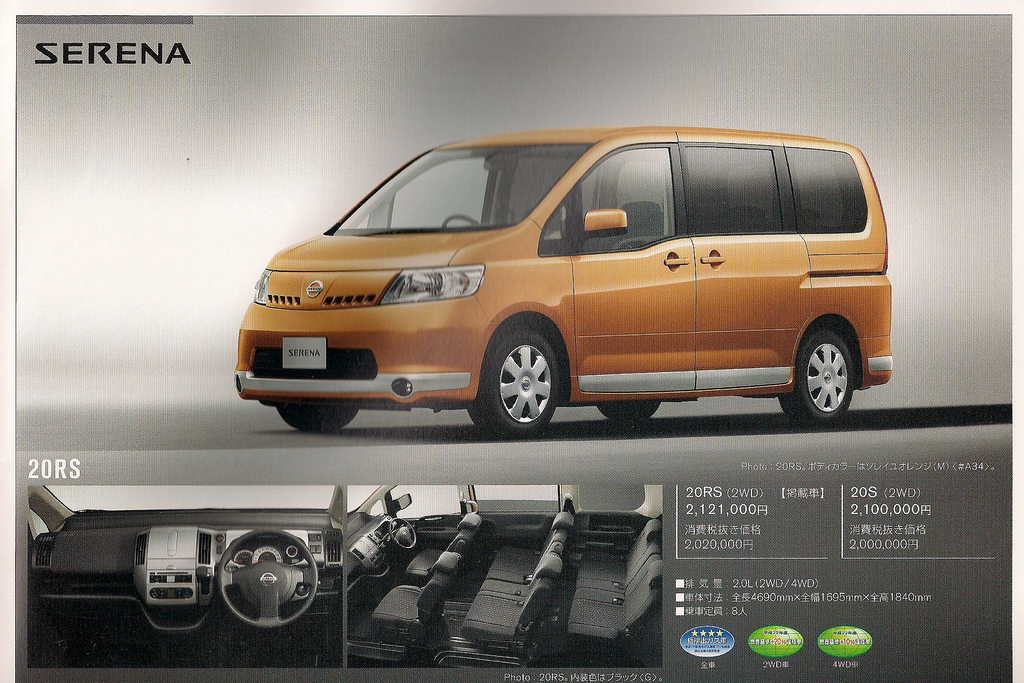
Google and Tesla might be the most recognizable names dabbling in self-driving vehicles in the West, but it would seem that Nissan has beaten its local competitors in Japan by unleashing “ProPilot.” This is the Japanese company’s version of the semi-autonomous features that Tesla currently has, and will be added to the “Serena” minivan.
Nissan is the first company in Japan to introduce semi-autonomous driving that hit its streets, CNET reports. Intended to assist drivers during those long traffic jams or long-distance driving sessions, the “ProPilot” can take control of the various driving implements when it needs to such as the breaks, acceleration, and even steering.
It’s also equipped with windshield cameras, which will gauge just how close the vehicle is to others, thus preventing collisions. Unfortunately, the feature only works for single lanes and will not switch accordingly to overtake as Tesla’s Autopilot would.
Nissan has expressed its goals of seeing roads that are driven by machines instead of the people in the near future. This is just the first step for the automaker to fulfill its goals of making all of its vehicles in Japan completely autonomous by 2020, according to Fortune.
In order to use the “ProPilot” system, drivers will simply need to engage the feature and watch as the vehicle drives itself. The feature will slow and accelerate depending on how far the front vehicle is, and when traffic stops, so will the vehicle. Once traffic starts moving again, a quick tap on the accelerator will wake up the “ProPilot” and it will take over the driver again.
Right now, the “ProPilot” is decidedly less advanced than what Tesla has to offer thanks to the number of sensory gizmos that the American company uses. The Nissan version also requires more interaction from the driver, but perhaps that’s not such a bad thing. After all, judging the legal hurdles that Tesla now has to face, it seems people need more time to adjust to the reality of self-driving vehicles.







