


 Sam Altman Reaffirms OpenAI’s Long-Term Commitment to NVIDIA Amid Chip Report
  Palantir Stock Jumps After Strong Q4 Earnings Beat and Upbeat 2026 Revenue Forecast
  SpaceX Seeks FCC Approval for Massive Solar-Powered Satellite Network to Support AI Data Centers
  Tencent Shares Slide After WeChat Restricts YuanBao AI Promotional Links
  AMD Shares Slide Despite Earnings Beat as Cautious Revenue Outlook Weighs on Stock
  Instagram Outage Disrupts Thousands of U.S. Users
  SoftBank Shares Slide After Arm Earnings Miss Fuels Tech Stock Sell-Off
  Baidu Approves $5 Billion Share Buyback and Plans First-Ever Dividend in 2026
  Alphabet’s Massive AI Spending Surge Signals Confidence in Google’s Growth Engine
  Nvidia Confirms Major OpenAI Investment Amid AI Funding Race
  TSMC Eyes 3nm Chip Production in Japan with $17 Billion Kumamoto Investment
  SpaceX Prioritizes Moon Mission Before Mars as Starship Development Accelerates
  SoftBank and Intel Partner to Develop Next-Generation Memory Chips for AI Data Centers
  Elon Musk’s SpaceX Acquires xAI in Historic Deal Uniting Space and Artificial Intelligence
  Global PC Makers Eye Chinese Memory Chip Suppliers Amid Ongoing Supply Crunch


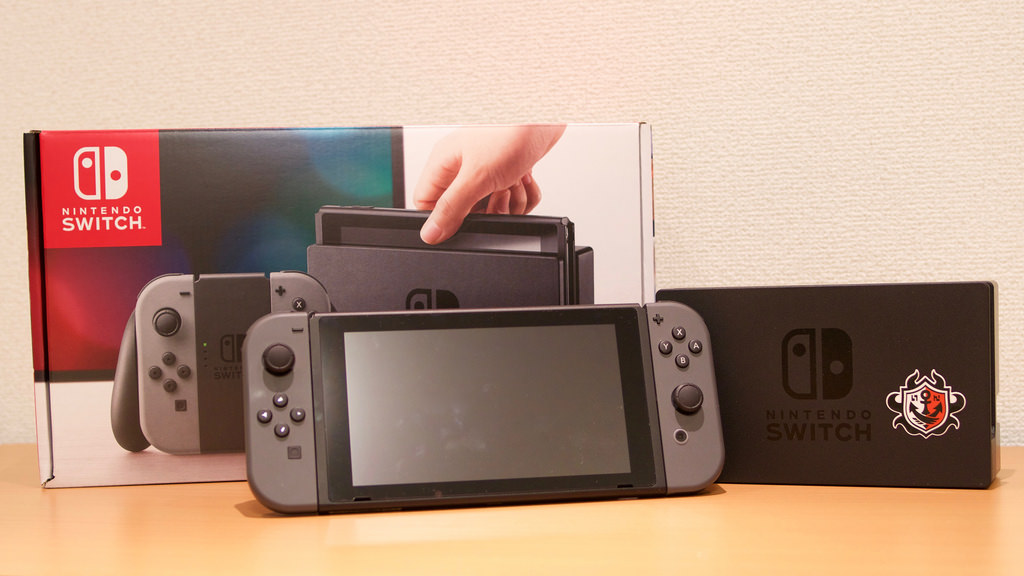
Although it has the reputation of being one of the world’s leading video game companies, Nintendo has a track record of being terrible at managing its hardware production. There’s always a shortage, which has led people to believe that the company was engaging in “artificial scarcity” practices. With the recent news that revealed how Nintendo had to air ship Switch units, this myth just got busted.
As Forbes notes, a lot of Nintendo fans have been floating the idea of “artificial scarcity” due to how often stores run out of its products. The idea basically hinges on the possibility that the company was trying to create the illusion of a must-have product by intentionally limiting the supply of the products.
In a recent interview with The Wall Street Journal, however, a spokesperson revealed that Nintendo was so desperate to meet the overwhelming demand for the Switch that it actually had to ship supplies via airplanes back in March. This is a huge deal because air shipping is considerably more expensive compared to using actual ships, but it gets the products to their destination a lot faster.
Just to put this development in perspective and really show what Nintendo had to do to meet the demands of its fans, an estimate put the cost of the air shipping at an additional $45 per Switch console. If the Japanese video game company had wanted to create an illusory scarcity to bump sales, air shipping would never have been considered.
So, why exactly do stores keep running out of Nintendo products? Well, some are saying that the answer simply has to do with the company’s terrible judgment in terms of how well its hardware would sell.
The video game giant was understandably cautious about manufacturing more Switch units because of the trauma it experienced with the terribly underperforming Wii U. When it became clear that it had a hit on its hands, Nintendo had to scramble to get enough parts and raw ingredients to make more. This would certainly make production slow-going.













