


 Mexico President Claudia Sheinbaum Reconsiders Early School Closure Plan Ahead of 2026 World Cup
  Bain Capital Exits Kioxia After AI-Fueled Valuation Surge
  White House Defends Trump’s FIFA Peace Prize Amid Global Criticism
  U.S. Plans $115 Million Counter-Drone Investment to Secure FIFA World Cup and Major National Events
  Wolfspeed Sues Navitas Over GaN and SiC Patent Infringement
  Why have so few atrocities ever been recognised as genocide?
  Germany Seen Gaining as U.S. China-Built Ship Fees Reshape Trade
  Japan Producer Inflation Hits 7.1% in June, Fueling BOJ Rate Hike Expectations
  Sino Biopharm Stock Rises After AstraZeneca Licensing Deal, GSK Partnership Expansion
  Netflix, Disney, YouTube Eye FIFA World Cup TV Rights in Multi-Billion Dollar Battle
  Trump Booed at Club World Cup Final, Praises Pele as Soccer’s GOAT
  AstraZeneca Shares Sink After Wainua Trial Misses Key Heart Disease Goal
  Gold Prices Slip as U.S.-Iran Conflict, Fed Rate Hike Bets Pressure Precious Metals
  Oil Prices Rise as U.S.-Iran Conflict Fuels Strait of Hormuz Supply Fears
  Gold Price Rebounds as U.S.-Iran Tensions and Fed Minutes Keep Markets on Edge
  Republican Lawmakers Urge National Guard Role for World Cup Drone Security
  European Regulators Clash With U.S. Treasury Over Private Credit Transparency


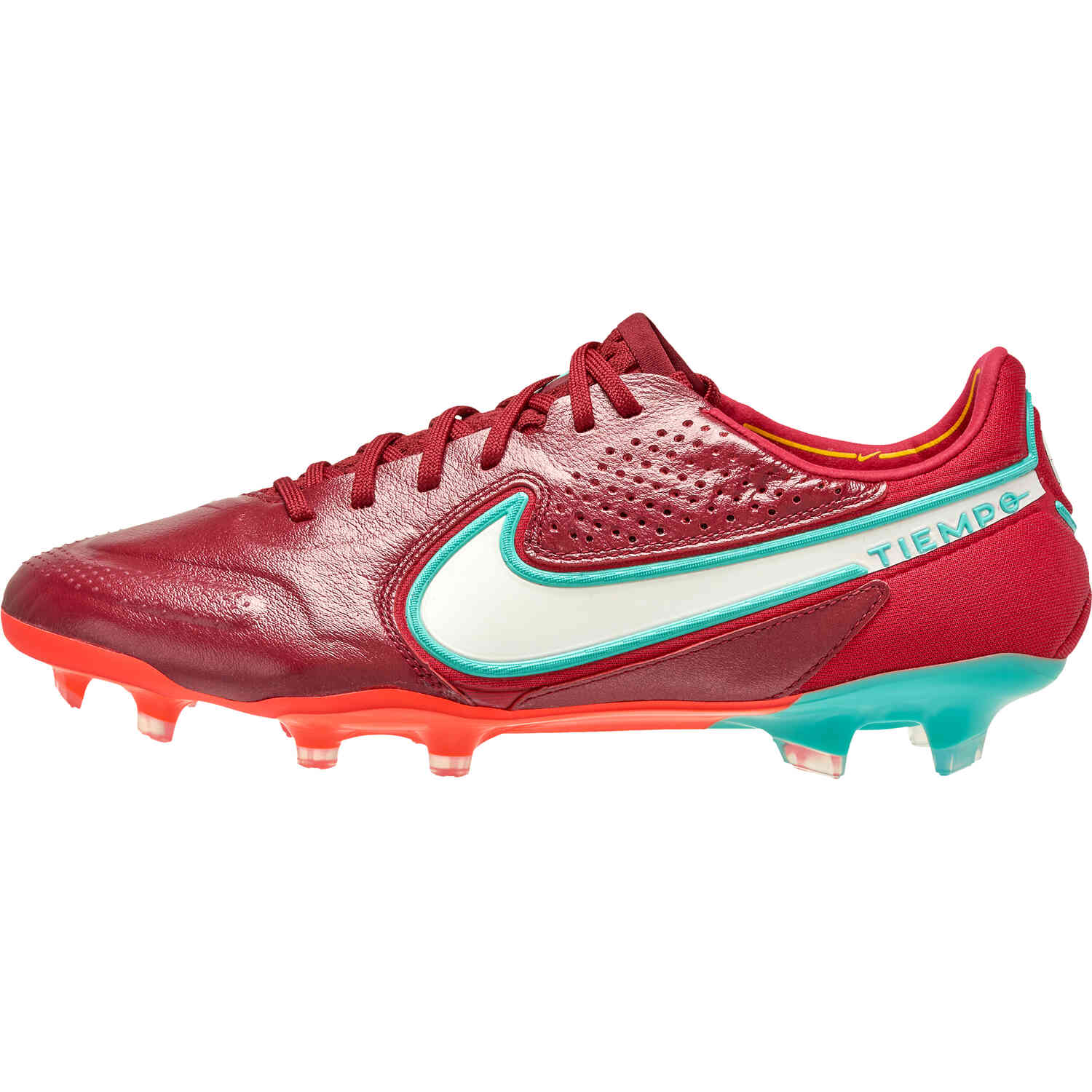
Nike announced it would stop using kangaroo leather for its Tiempo soccer boot line two weeks after PUMA said it would stop producing football boots with such material this year.
According to Nike, it will replace the kangaroo leathers with a proprietary synthetic upper beginning this year.
A bill passed in Oregon earlier this year will soon prohibit the sale of any kangaroo parts or kangaroo-based products.
With Nike’s Beaverton headquarters based in the state, the new mandate may have played a significant role in the decision.
Kangaroo leather, which is lighter, stronger, and more flexible than cow and goat hide, is commonly used in top soccer cheat models, such as the Nike Tiempo 9 Elite, Puma KING, and Adidas Predator Pulse lines.
Earlier this month, PUMA revealed that its flagship KING soccer boot will feature non-animal-based upper materials with at least 20 percent recycled fabrics, dubbed “K-BETTER.”







