


 US Sanctions Iran Weapons Procurement Network
  Russia Warns NATO of Nuclear Response Over Kaliningrad
  Polymarket Traders Bet on Trump AI Rename to ‘Super Intelligence’
  Wicker Urges US to Uphold Taiwan Security Commitments
  UN Extends Haiti Security Force Mandate Ahead of Elections
  US Appeals Court Keeps Trump IRS Case Sanctions in Place
  US Troops Set to Complete Iraq Withdrawal as Iran Influence Grows
  Trump Eyes $54 Billion South Korean Investment in Alaska LNG
  UN Condemns Myanmar Airstrike That Kills 50 in Rakhine
  US Alcohol Ban Exposes Canada’s Internal Trade Barriers
  Trump Denies Offering Iran Sanctions Relief for Nuclear Concessions
  US Forces Exit Iraq as Iran Influence and ISIS Risks Grow
  TSA Removes Chairs for Airport ID Check Officers
  Trump Demands Powell Resign Over Fed Renovation Cost Overruns
  Trump Praises Boeing 737 Max After Flydubai Crash Attempt
  Tim Scott Blames Democrats as CLARITY Act Stalls in Senate
  CNN, Politico and MS NOW Seek Court Order Blocking Trump White House Ban


 Add as a preferred source on Google
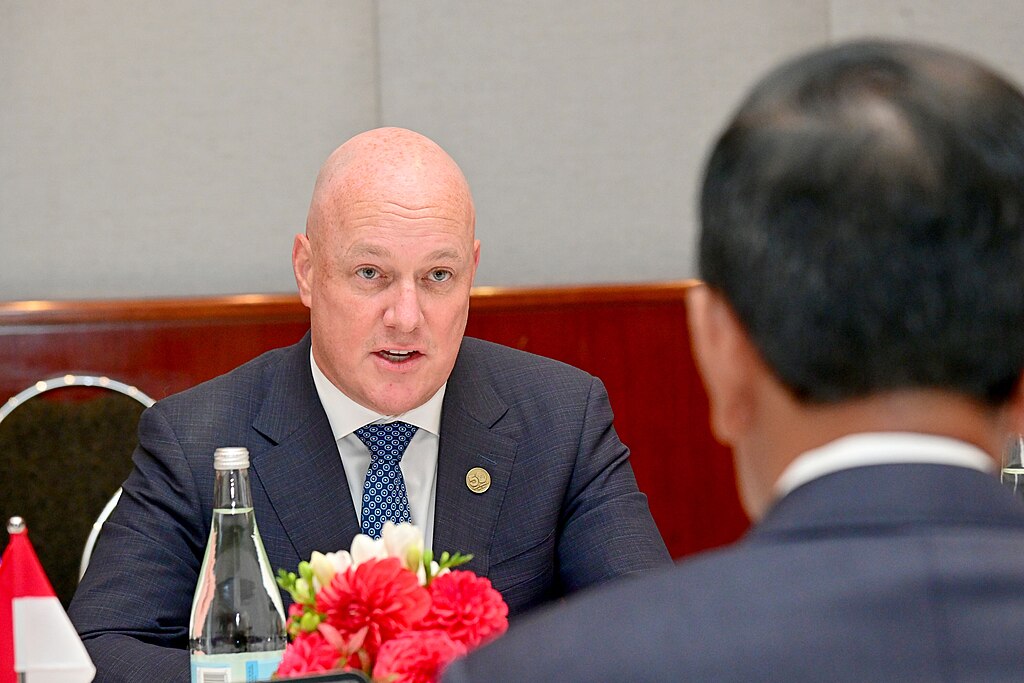
New Zealand’s upcoming election is raising concerns among investors and businesses as the country faces the possibility of its first single-term government in more than five decades, increasing uncertainty over economic and monetary policy.
Prime Minister Christopher Luxon’s National-led coalition could lose power in the November 7 election, potentially ending a government after one three-year term for the first time since 1975. The prospect comes as New Zealand’s economy emerges from a slowdown and seeks stronger private investment.
Since taking office in late 2023, Luxon’s coalition with New Zealand First and ACT has introduced major policy changes, including reviving mining, restoring offshore oil and gas exploration and returning the Reserve Bank of New Zealand to a single mandate focused on inflation.
Labour leader Chris Hipkins has indicated his party would reverse some of those policies if elected, including restoring the RBNZ’s dual mandate covering both inflation and employment. Hipkins has argued that such a framework is widely used internationally and pledged transparency around any changes.
The central bank’s mandate has become particularly important as markets increase bets that the RBNZ could raise its Official Cash Rate for a third time to 3.0% next month. Westpac analysts said restoring the dual mandate could lead to a slightly slower return of inflation to target, potentially resulting in a slower pace of rate increases or a lower peak rate.
The OECD has cautioned against frequent changes to the RBNZ’s mandate, saying stability between scheduled reviews helps maintain monetary policy credibility, predictability and confidence.
Uncertainty also surrounds the influence of smaller political parties under New Zealand’s proportional voting system. New Zealand First has proposed buying NAB-owned BNZ and maintaining the RBNZ’s single mandate, while the Green Party has proposed revoking some fast-track mining approvals.
Infrastructure policy is another concern. Infrastructure New Zealand estimates that project delays, pauses and cancellations have cost NZ$11.8 billion ($6.7 billion) over the past 25 years.
With political divisions widening, businesses and investors are watching the election closely for potential shifts in interest-rate policy, infrastructure spending, energy development and investment conditions.







