


 LA fires: Long-term exposure to wildfire smoke is poorly understood − and a growing risk
  Rise of the Zombie Bugs takes readers on a jaw-dropping tour of the parasite world
  Fungi are among the planet’s most important organisms — yet they continue to be overlooked in conservation strategies
  We combed through old botanical surveys to track how plants on Australia’s islands are changing
  Lake beds are rich environmental records — studying them reveals much about a place’s history
  As the Black Summer megafires neared, people rallied to save wildlife and domestic animals. But it came at a real cost
  An unexpected anomaly was found in the Pacific Ocean – and it could be a global time marker
  Fertile land for growing vegetables is at risk — but a scientific discovery could turn the tide
  Burkina Faso and Mali’s fabulous flora: new plant life record released
  How is Antarctica melting, exactly? Crucial details are beginning to come into focus
  Extreme heat, flooding, wildfires – Colorado’s formerly incarcerated people on the hazards they faced behind bars
  Thousands of satellites are due to burn up in the atmosphere every year – damaging the ozone layer and changing the climate


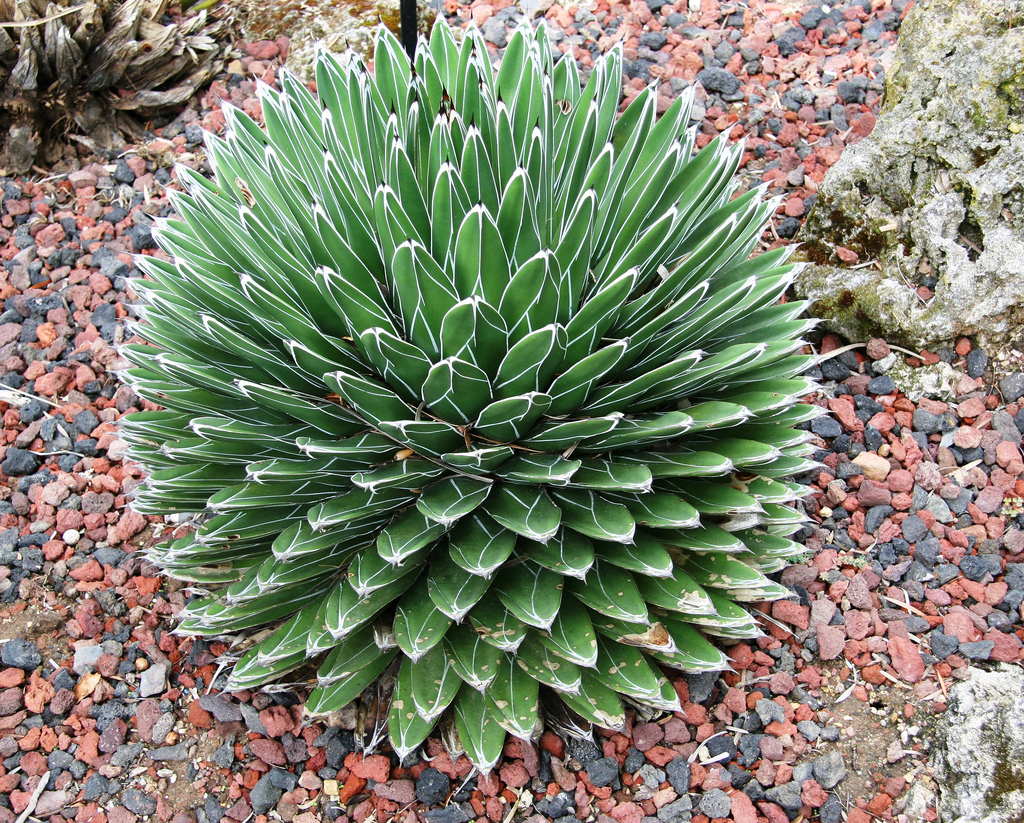
Scientists managed to find genetic properties of plants that can allow them to resist extreme drought and provide food even with limited water. This is an extremely important development amid increasingly devastating effects of climate change and resistance from political leaders to do anything about it.
The discovery was made by scientists from the Oak Ridge National Laboratory, which operates under the Department of Energy, Phys.org reports. These scientists managed to find the genetic mechanisms that allow some species of plants to exist in arid regions or even thrive by conserving water.
One of the best examples of plants that managed to grow in areas that are relatively devoid of moisture is Agave. By developing what’s called crassulacean acid metabolism (CAM), this species of plant managed to manipulate photosynthesis to a point where it can preserve water during the day by closing its pores. At night, the pores open to absorb carbon dioxide, which it processes the next day.
Agave and select plants that share its drought-resistant nature already offer qualities that humans can use as resources such as creating liquor or sugar replacements. Now, scientists want to find a way to apply their qualities that allow them to survive arid regions to other crops and essential plants.
So far, genetically manipulating crops to have Agave-like hardiness is still out of the question, but at least scientists are now one step closer to actually making this happen. This needs to be done soon, as well, with political leaders seemingly unable to take significant steps to address extreme drought without conflict.
It’s not just crops like corn, rice, and wheat that can benefit from this study either. With Christmas trees dying out thanks to the recent increase in temperature all over the U.S., even holiday traditions are at risk of going away.







