


 Polymarket Traders Bet on Trump AI Rename to ‘Super Intelligence’
  Vitalik Buterin Says Hegota Could Be Ethereum’s Last Conventional Fork
  Tencent Signs $7 Billion Oracle AI Chip Lease Deal
  DeepSeek, Huawei Partner on Ascend AI Chip Programming Tools
  China Says U.S. Shares Responsibility for AI Governance
  TD Cowen Starts SpaceX at Buy, Sees AI Compute Driving Growth
  California AG Subpoenas OpenAI Over AI Cybersecurity Incidents
  Apple CEO John Ternus Plans Major Overhaul
  Pi Network Price Holds $0.087 as Protocol 28 Mainnet Upgrade Nears
  OpenAI Seeks $30 Billion at $1.4 Trillion Valuation
  Apple iPhone 18 Pro Sales Jump 12% in China
  Trump, Tech Leaders Sign ‘Morally Binding’ AI Safety Accord
  Robinhood Launches AI Agents for Automated Trading
  SoftBank Shares Fall After $10 Billion OpenAI Investment
  BlackRock Sees AI Agents Fueling New Crypto Demand
  Morgan Stanley Raises TD Synnex Price Target to $359 on Strong AI Demand
  Amazon Eyes $8 Billion Nvidia Chip Spinoff to Fund AI Expansion


 Add as a preferred source on Google
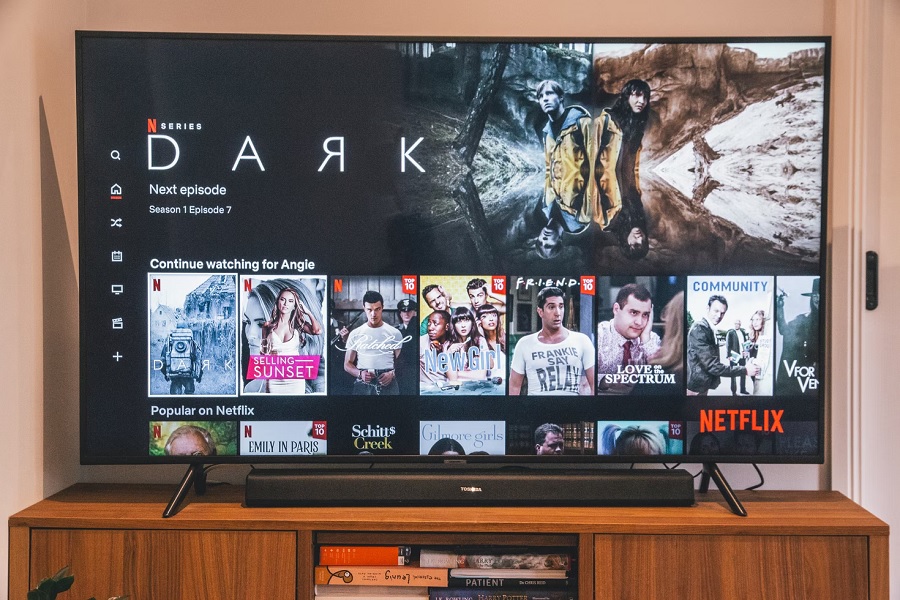
Netflix is starting to implement that latest price increase for subscribers in the United States. Some customers may have already seen the new fees take effect as they renew their plans.
Alerts sent through emails have reportedly been sent out to some customers about the latest price increase originally announced last January. The Verge reports that the new prices have been applied to some subscribers recently, while others will pay for higher prices in the coming weeks. Overall, the price changes will be implemented for the next billing cycle.
The Netflix Basic plan, which offers SD streaming on one device, will be priced at $9.99 from $8.99. The Standard tier that allows subscribers to watch and download on two devices in HD quality will cost $15.49 from $13.99. And the Premium plan that lets subscribers view content on four devices simultaneously will be priced at $19.99 from $17.99.
Aside from the number of screens and devices for download, the Netflix Premium tier is also the only way for subscribers to stream content in 4K. So even if they do not have four devices that would use the service in the same household, subscribers would have to pay $19.99 per month if they want to watch movies and shows in 4K.
Netflix has been raising its subscription prices since 2015. At the time, the Basic, Standard, and Premium plans cost $7.99, $8.99, and $11.99, respectively.
On a support page, Netflix cites a number of reasons for the price hikes over the years. "As we continue to add more TV shows and movies and introduce new product features, our plans and prices may change," the company said. "When we change plans or prices, we're always working to improve the Netflix experience and invest in quality content for our subscribers around the world."
Aside from the price increases, Netflix is also planning on charging customers for account sharing. Earlier this month, the streaming giant started testing a new pricing scheme with an "Add Member" fee in a few regions. It requires subscribers to pay an add-on fee for friends or relatives using their accounts if they are not living in the same household.
Photo by Marques Kaspbrak on Unsplash







