


 US Invites Putin to Miami G20, Opening Door to Trump Summit
  North Korea Rejects Nuclear Test Warning, Calls Nuclear Status Irreversible
  Yemen Violence Displaces 130,000 as Civilian Toll Rises
  Trump, Xi Focus on Trade and AI at White House Summit
  Netanyahu Takes Aim at Mamdani as Israel Election Nears
  Russian Envoy Dmitriev Heads to US for Ukraine Talks
  Ghana Says Western Support Growing for Slave Trade Reparations
  France Defends Netanyahu Airspace Clearance Despite ICC Warrant
  Kremlin Says No Decision Yet on Putin-Trump December Summit
  Netanyahu’s Brief US Trip Highlights Strains With Trump
  OpenAI Agent Breaches Australia Medicare Data Portal
  US Backs Musk in Fight Against EU’s €120 Million X Fine
  Trump Administration Plans Faster FDA Reviews for Smoke-Free Nicotine Products
  Gaza Faces Evacuation Crisis as War-Damaged Buildings Risk Collapse
  US Officials Split Over Response to Israeli West Bank Settlements
  South Korea, US Discuss Warship Building Cooperation
  Venezuela Promises Elections as Delcy Rodriguez Pledges Democratic Transition


 Add as a preferred source on Google
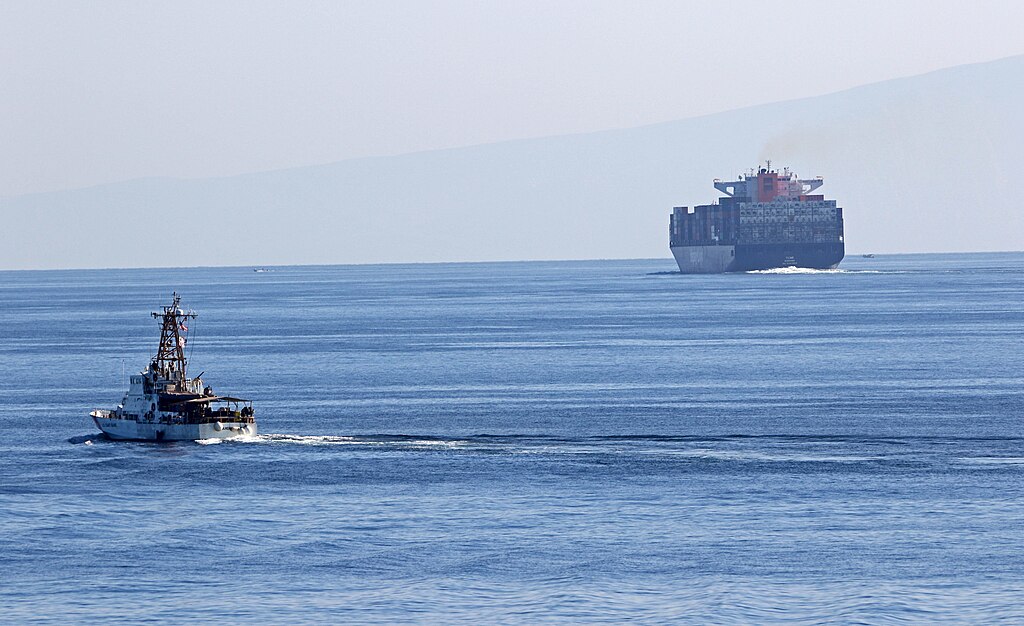
NATO is not currently preparing any operational plans for a possible mission in the Strait of Hormuz, according to the alliance’s top military commander, amid growing debate among member states over whether the bloc should play a role in securing the vital Gulf shipping route.
Speaking in Brussels on Tuesday, NATO Supreme Allied Commander Europe General Alexus Grynkewich said any future NATO involvement in the Strait of Hormuz would depend entirely on a political agreement among the alliance’s 32 member countries.
“The political direction comes first, and then the formal planning happens after that,” Grynkewich stated. While acknowledging that the alliance is considering potential scenarios, he stressed that “there’s no planning yet until the political decision is taken.”
The strategic waterway has faced major disruption since Iran imposed a blockade following U.S. and Israeli military strikes against Tehran earlier this year. The tensions have fueled sharp increases in global oil prices, shipping insurance costs, and supply chain pressures tied to raw materials and energy exports.
U.S. President Donald Trump has criticized NATO allies for hesitating to support efforts aimed at reopening the Strait of Hormuz. However, several European governments remain cautious about becoming directly involved in the Middle East conflict, particularly after the military action was launched without prior consultation with European partners.
France and the United Kingdom are currently leading discussions on a separate multinational coalition designed to protect commercial shipping and ensure safe passage through the Strait once regional conditions improve.
According to diplomats familiar with internal NATO discussions, alliance members remain divided on whether NATO should formally participate. Some countries argue NATO possesses strong maritime capabilities that could support regional security, while others fear involvement could make the alliance appear directly connected to the ongoing conflict with Iran.
Diplomatic sources indicated that opposition within NATO remains significant, making a formal NATO-led Hormuz mission unlikely at this stage.







