


 OpenAI Executive Shake-Up Ahead of Anticipated 2026 IPO
  Meta Ties Executive Pay to Aggressive Stock Price Targets in Major Retention Push
  Makemation: a Nollywood movie that shows AI in action in Africa
  Golden Dome Missile Defense: Anduril and Palantir Join Forces on Trump's $185B Space Shield
  California's AI Executive Order Pushes Responsible Tech Use in State Contracts
  Rubio Directs U.S. Diplomats to Use X and Military Psyops to Counter Foreign Propaganda
  MATCH Act Targets ASML and Chinese Chipmakers in New U.S. Export Crackdown
  SpaceX Eyes Historic IPO at $1.75 Trillion Valuation
  Microsoft Eyes $7B Texas Energy Deal to Power AI Data Centers
  SK Hynix Eyes Up to $14 Billion U.S. IPO to Fund AI Chip Expansion
  NASA's Artemis II Crew Arrives in Florida for Historic Moon Mission
  Reflection AI Eyes $25 Billion Valuation in Massive $2.5 Billion Funding Round
  Cybersecurity Stocks Tumble After Anthropic's Claude Mythos AI Leak Sparks Market Fears
  Google's TurboQuant Algorithm Sends Memory Chip Stocks Tumbling
  TSMC Japan's Second Fab to Produce 3nm Chips by 2028
  Apple Turns 50: From Garage Startup to AI Crossroads


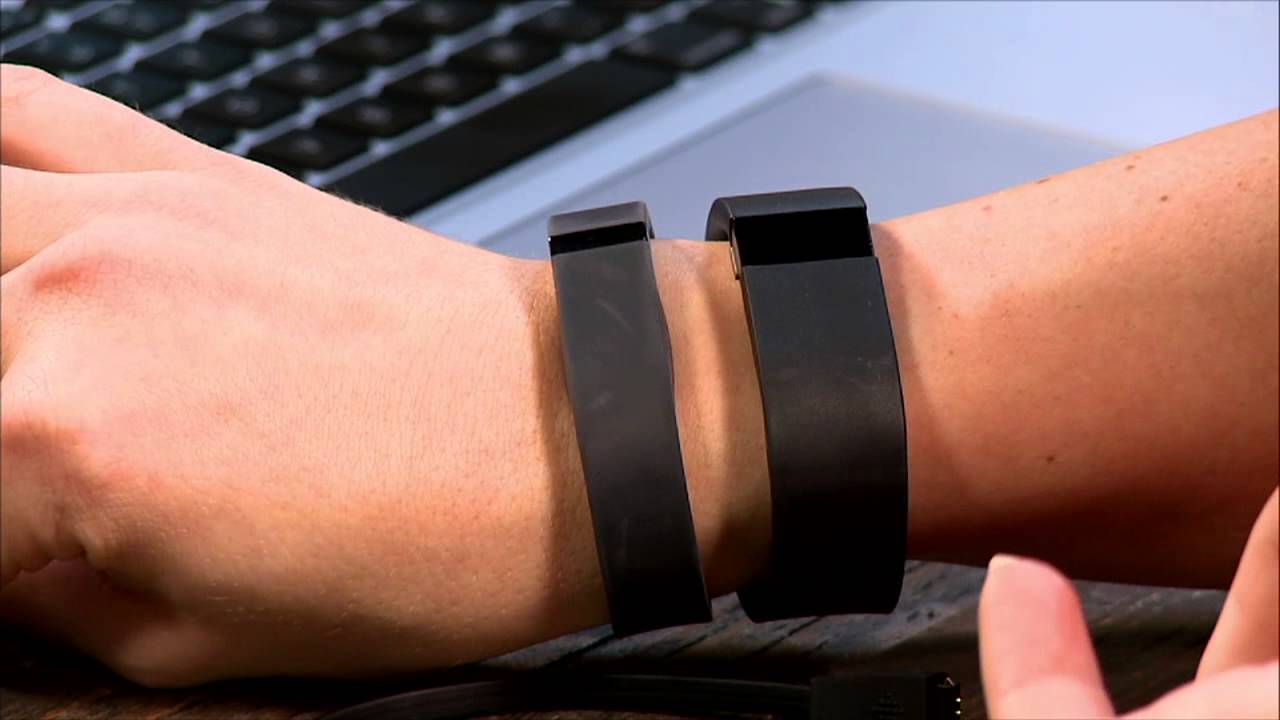
Engineers at the University of Wisconsin-Madison created what could right now be the most advanced wearable device in the world, which could have a major impact in the medical field in particular. According to an SNS Research report, the wearable electronic device market could be worth $40 billion by 2020, but this new development could boost that number significantly.
The wearable device in question was developed by a team led by Professor Zhenqiang “Jack” Ma. It’s the fastest integrated circuits unit that is stretchable and wearable, thus allowing for more flexibility when it comes to the applications that the device will be used for. Their paper was published in Advanced Functional Materials on May 27, 2016.
Among the biggest advantages of this new development includes the more effective wireless connection and data sharing that it can provide. Since the bread and butter of wearable devices is the effective communication of information that the devices collect on things like heartrate, calories burned and so on, an improvement in this aspect will increase the value of such devices.
More than that, the stretchable nature of the device while still maintaining high-speed connection makes it easier to wear and more convenient to leave on. This is due to the serpentine shape of the transmission lines. Wearable electronic devices like the “FitBit” have become as thin and light as they can be in order to achieve this effect.
According to the press release from the University of Wisconsin-Madison, this development could also allow healthcare workers to eventually monitor their patients wirelessly without the need for cumbersome wires that often gets in the way of mobility for said patients.
“We’ve found a way to integrate high-frequency active transistors into a useful circuit that can be wireless,” Prof Ma said. “This is a platform. This opens the door to lots of new capabilities.







