


 Yen Edges Higher as Weak US Data Dampens Fed Rate Hike Expectations
  Dollar Slides as Soft U.S. Data Cuts Fed Rate Hike Bets
  Do investment tax breaks work? A new study finds the evidence is ‘mixed at best’
  Wall Street Falls as Oil Prices Rise, Fed Minutes and Retail Earnings in Focus
  Gold is meant to be a ‘safe haven’ in uncertain times. Why is it crashing amid a war?
  Investors Brace for Market Moves as Trump Begins Second Term
  How the UK’s rollback of banking regulations could risk another financial crisis
  U.S. Condemns China's Dominance in Global Shipbuilding and Maritime Sectors
  Why your retirement fund might soon include cryptocurrency
  KiwiSaver shakeup: private asset investment has risks that could outweigh the rewards
  UK Markets Face Rising Volatility as Hedge Funds Target Pound and Gilts
  Ferrari Group to Launch IPO in Amsterdam, Targets Over $1 Billion Valuation
  US Dollar Slips as Soft Economic Data Eases Fed Rate Hike Expectations
  Malaysia Inflation Eases to 1.8% in July, Below Forecast
  BSP Sees Philippine Inflation Easing, Keeps Policy Options Open
  Japan Economy Grows 1.1% in Q2 as Consumer Spending Stalls
  Barclays Warns U.S. Stock Rally May Be Detached From Fundamentals


 Add as a preferred source on Google
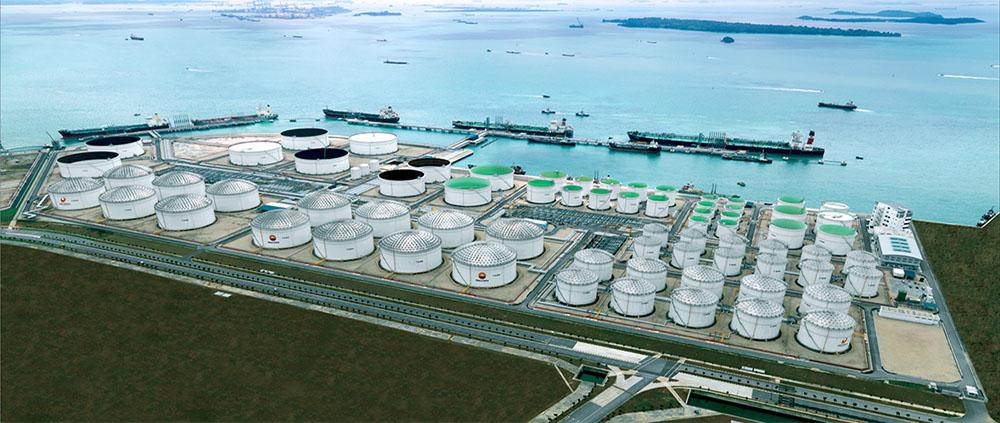
Bankers are now requiring crippling terms from commodity traders in Asia or refusing to lend to them altogether due to the perceived risks in transacting with them.
Asian commodity traders are increasingly deemed as risky clients by banks, especially after Singapore oil trader Hin Leong Trading (Pte) Ltd was found struggling to repay debts of almost US$4 billion.
Weeks before, Agritrade International Pte, another commodities firm in Singapore, collapsed after defaulting on loans.
The pandemic was expected to create a bumper time for commodity traders due to the huge price swings on which they thrive.
As it turned out, only the large trading houses were able to thrive under such market conditions and cope with the risks involved, according to Jean-Francois Lambert, a former trade finance banker at HSBC Holdings Plc., and currently an industry consultant.
"Banks are tightening their exposures on every front. With regard to commodity trading, their reaction is to fly for quality and be quite restrictive on everything else," Lambert added.
Banks are reducing their exposure to commodities by eliminating short-term loans and lending only to the huge traders like the Trafigura Group or Vitol Group. They were already pulling back from lending to commodities traders in Asia before the coronavirus crisis.
Soo Cheon Lee, chief investment officer at SC Lowy, a global banking and asset management group in Hong Kong, noted that commodity traders now have to face increased price volatility, counterparty risks, and supply chain disruptions.
The industry has experienced numerous high-profile collapses in recent years, not only in Singapore. The list includes multi-million dollar losses by major Chinese and Japanese traders, and the downfall of the Noble Group, one of the industry's biggest names.
The coronavirus crisis has also exerted an extraordinary impact on the global commodity markets, ranging from crude oil to copper, and resulting in a tightening of credit.
The disruptions are triggering defaults and as prices plunge, leading to bankruptcies.







