


 Indonesia Surprises Markets with Interest Rate Cut Amid Currency Pressure
  Moldova Criticizes Russia Amid Transdniestria Energy Crisis
  European Stocks Rally on Chinese Growth and Mining Merger Speculation
  China’s Growth Faces Structural Challenges Amid Doubts Over Data
  China's Refining Industry Faces Major Shakeup Amid Challenges
  US Futures Rise as Investors Eye Earnings, Inflation Data, and Wildfire Impacts
  Moody's Upgrades Argentina's Credit Rating Amid Economic Reforms
  Energy Sector Outlook 2025: AI's Role and Market Dynamics
  Lithium Market Poised for Recovery Amid Supply Cuts and Rising Demand
  Goldman Predicts 50% Odds of 10% U.S. Tariff on Copper by Q1 Close
  Stock Futures Dip as Investors Await Key Payrolls Data
  Urban studies: Doing research when every city is different
  Global Markets React to Strong U.S. Jobs Data and Rising Yields
  Fed May Resume Rate Hikes: BofA Analysts Outline Key Scenarios
  Wall Street Analysts Weigh in on Latest NFP Data
  Gold Prices Fall Amid Rate Jitters; Copper Steady as China Stimulus Eyed
  U.S. Banks Report Strong Q4 Profits Amid Investment Banking Surge


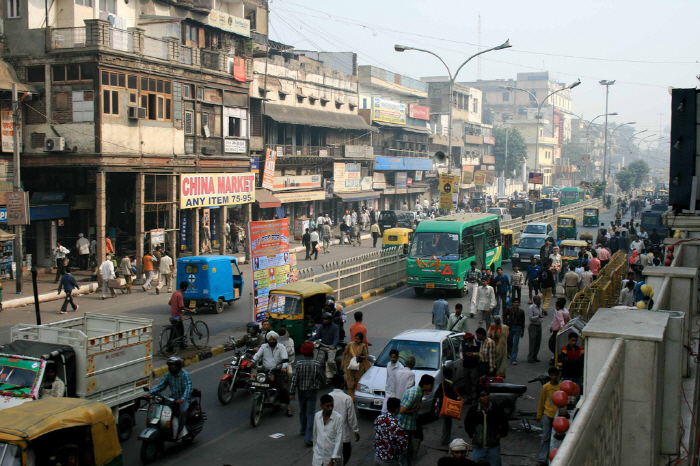
Moody's Investors Service says that investment levels in India (Baa3 positive) are showing nascent signs of recovery, driven by an upturn in the capital replacement cycle, and increased public sector expenditure.
"Recent high-frequency data show that India's investment cycle is starting to pick up," says Rahul Ghosh, a Moody's Vice President and Senior Research Analyst.
"However, a revival in private-sector capital expenditure will be required to sustain the recovery in investment activity, because India's weak fiscal position will limit the ability of the government to further expand public sector-led investment," adds Ghosh.
Ghosh also says a broad-based and sustainable revival in the private sector capital expenditure cycle will likely take longer to materialize, given the high debt levels in the non-financial corporate sector, asset quality concerns in the banking sector, and subdued external demand.
Moody's analysis is contained in its latest edition of Inside India, a quarterly publication that looks at major credit trends in India.
On the 2016 outlook for non-financial corporates, Moody's says strong domestic growth in India will offset global headwinds.
In particular, healthy 7.5% domestic GDP growth for the fiscal year ending March 2017 and a pick-up in manufacturing activity will be broadly supportive of business growth for India's non-financial corporates in 2016.
But corporates remain vulnerable to volatility in the Indian rupee against the US dollar.
Additionally, Moody's says lower commodity prices have benefited many Indian corporates, given the country's status as a net importer of raw materials, and its recent history of high inflation. The resultant moderating pace of inflation should result in lower borrowing costs for corporates and lower yields on corporate bonds.
But despite these overall supportive domestic conditions for the country's corporates, potential headwinds loom from a loss of reform momentum. Moody's points out that the Modi administration has not enacted legislation on key reforms so far this year, including a unified goods and services tax, and the Land Acquisition Bill.
Inside India also points out that Moody's changed its outlook for India's banking system to stable from negative in November 2015, because of the gradual improvement in the operating environment for Indian banks.
The stable outlook on India's banking system over the next 12-18 months reflects Moody's expectation that the banks' gradually improving operating environment will result in a slower pace of additions to problem loans, leading to more stable impaired loan ratios.
However, the recovery in asset quality will be U-shaped rather than V-shaped, because corporate balance sheets remain highly leveraged.







